Sunday Moss Review: Wildcrafted Sea Moss Gel, Flavours and What to Check First
Sunday Moss makes small-batch, wildcrafted sea moss gel in nine flavours. Here is what the brand does well, what its '92 minerals' claim actually means, and the iodine and heavy-metal questions worth asking before you buy.
What Is Sunday Moss?
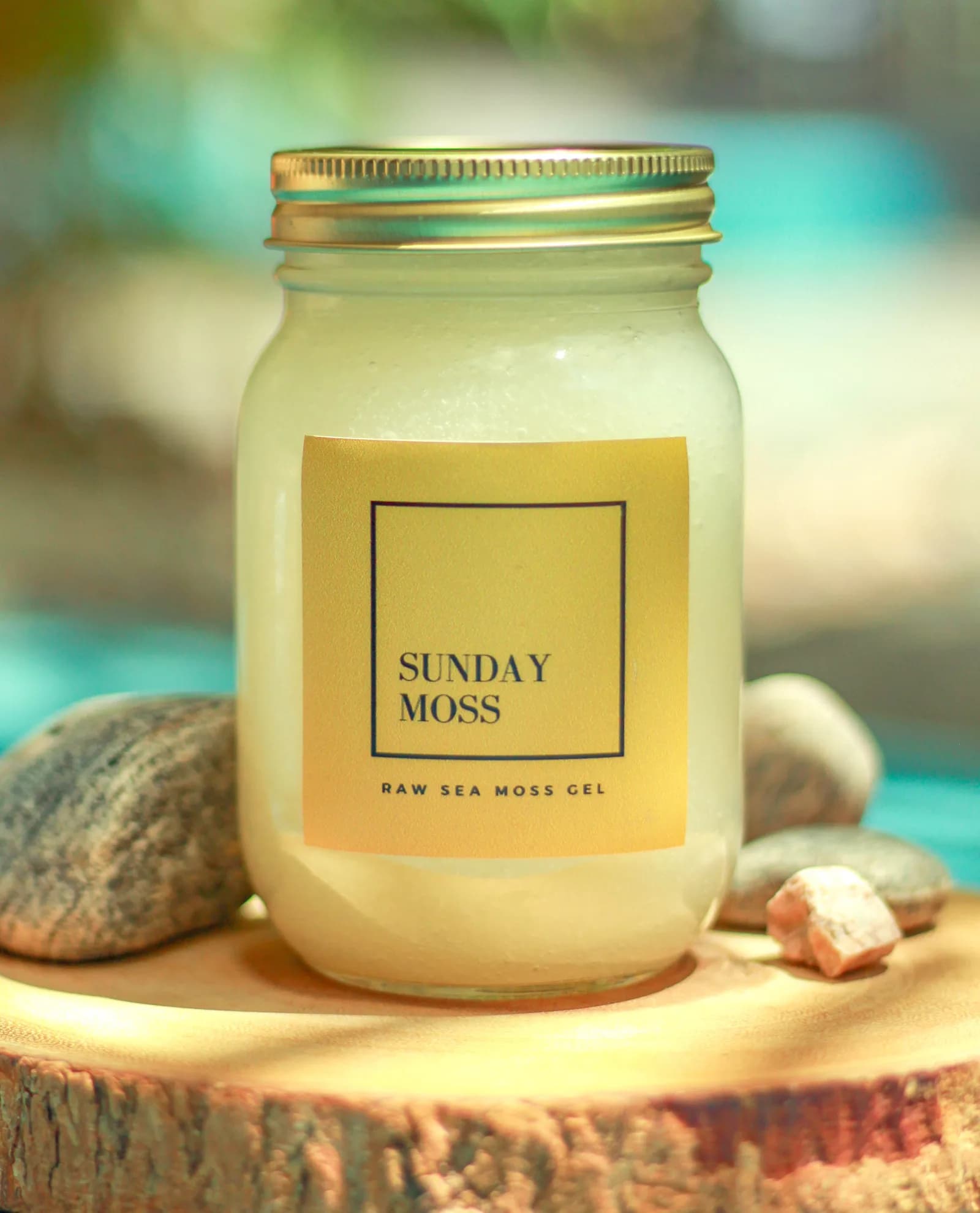
Sunday Moss is a Toronto-based brand that turns wildcrafted St. Lucia sea moss into ready-to-eat gel, sold in nine fruit- and herb-blended flavours plus a plain gold original. Before you add a jar to your cart, it is worth knowing exactly what is (and is not) in that gel, and what a reputable seller should be telling you about it.
A well-sourced, small-batch sea moss gel — worth checking the label questions below before you order
Sunday Moss sources its sea moss wildcrafted from St. Lucia and blends a minimum of 80% sea moss with distilled water only, with no added preservatives, made to order in small batches. That is a genuinely transparent starting point — but like most sea moss sellers, the brand does not publish independent lab results for iodine or heavy-metal content per serving, which is the gap this review focuses on.
See Sunday Moss FlavoursKey Highlights
- Wildcrafted sea moss from St. Lucia, blended with distilled water only, no preservatives
- Nine gel flavours plus dried sea moss, gummies, and frozen "Moss Pops"
- The marketed "92 of the 102 minerals" claim does not hold up scientifically — the body needs roughly 20 essential minerals, not 102
- Human clinical evidence for sea moss health benefits remains limited, according to Northwestern Medicine
- Iodine content in sea moss is highly variable and can approach the adult Tolerable Upper Intake Level of 1,100 µg/day
What Is Sunday Moss?
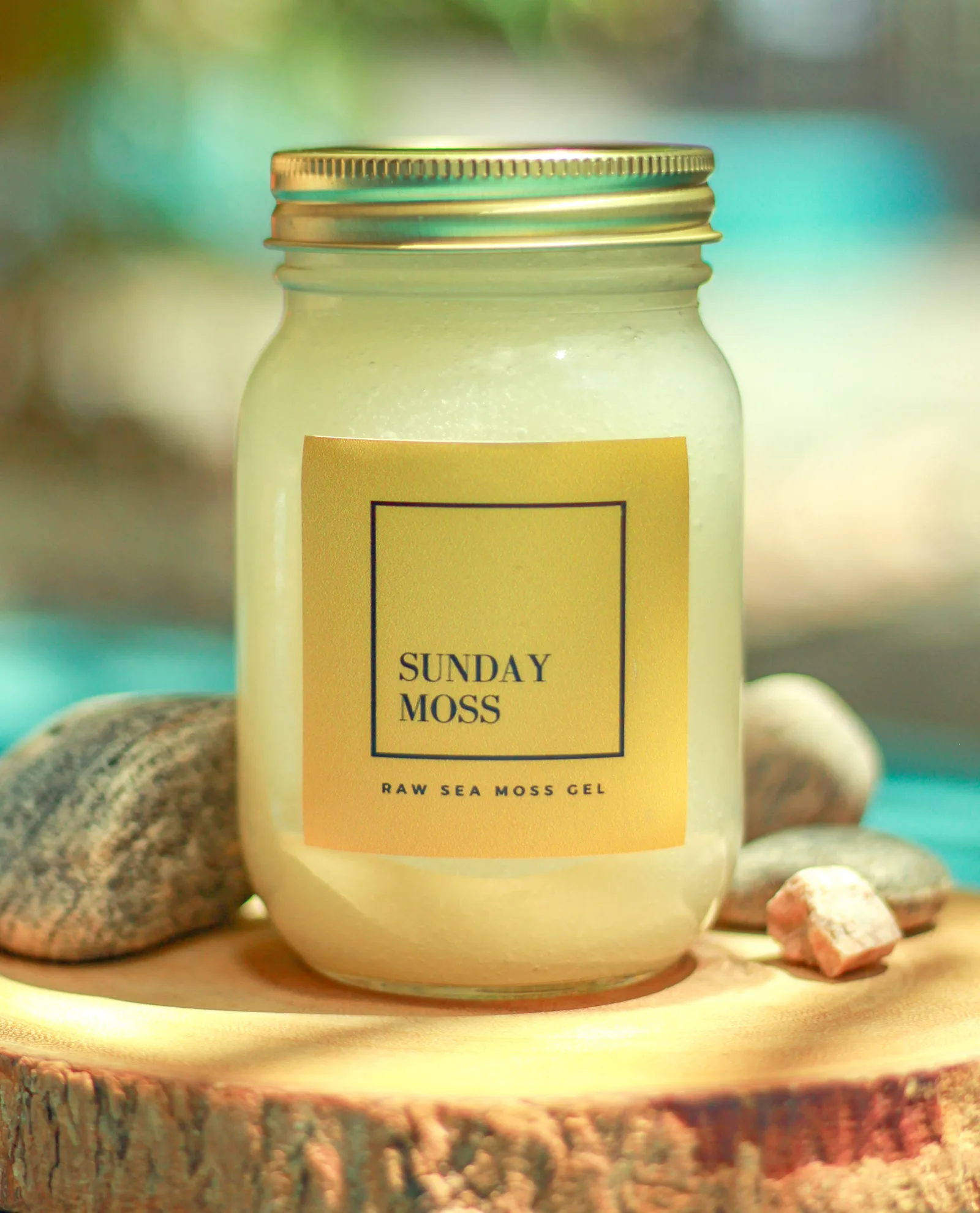
Sunday Moss is a Toronto-based sea moss brand that sources its raw material wildcrafted from St. Lucia rather than farming it. The gel products are blended with a minimum of 80% sea moss and distilled water only, with no added preservatives, and are made to order in small batches rather than mass-produced ahead of demand. The brand notes a production distinction between its two base varieties: the gold (OG) variety is sun-dried, which it says removes some mineral content, while the purple variety is sourced from deeper ocean water that is not exposed to direct sunlight.
That sourcing story matters because seaweed composition varies enormously by species, harvest location, and processing method. A peer-reviewed compositional analysis of Chondrus crispus (Irish sea moss, a closely related species) found it is genuinely rich in several minerals — calcium, magnesium, potassium, sodium, iron, manganese, zinc, and copper were all quantified via ICP-OES spectroscopy, with iron content the highest recorded among the tested seaweed species. The same analysis is also the reason careful buyers should read past the marketing copy: that research sample — a different species from a different harvest site, not a Sunday Moss product — tested positive for lead at 94.6 ± 7.6 µg/g. It is category-level evidence that seaweed bioaccumulates heavy metals from its growing water along with its beneficial minerals, not a measurement of anything in this brand's jars.
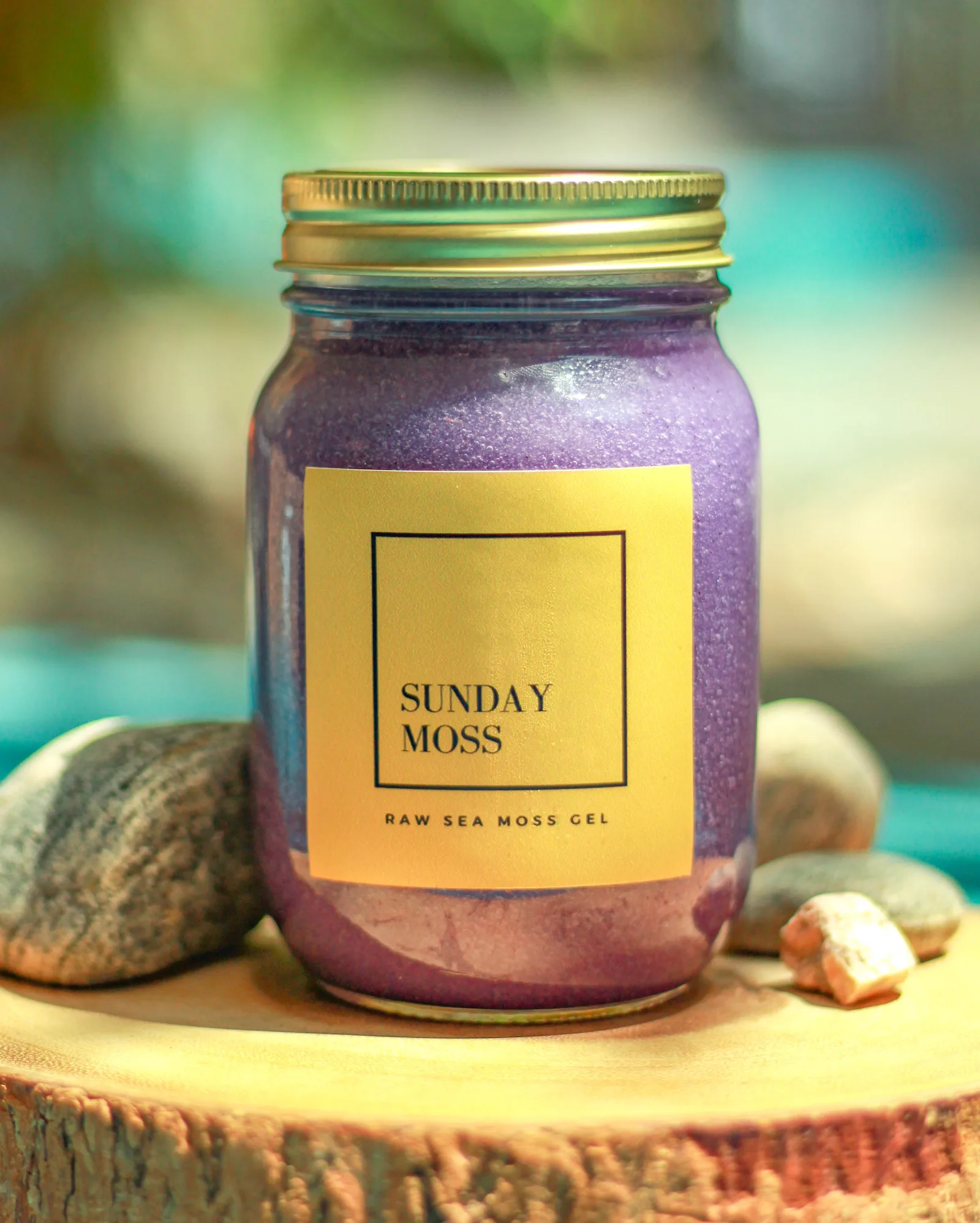
Sunday Moss Purple Moss
Wildcrafted, deep-water sourced, blended with distilled water only — no added preservatives.
Check Current PriceFlavours and Formats
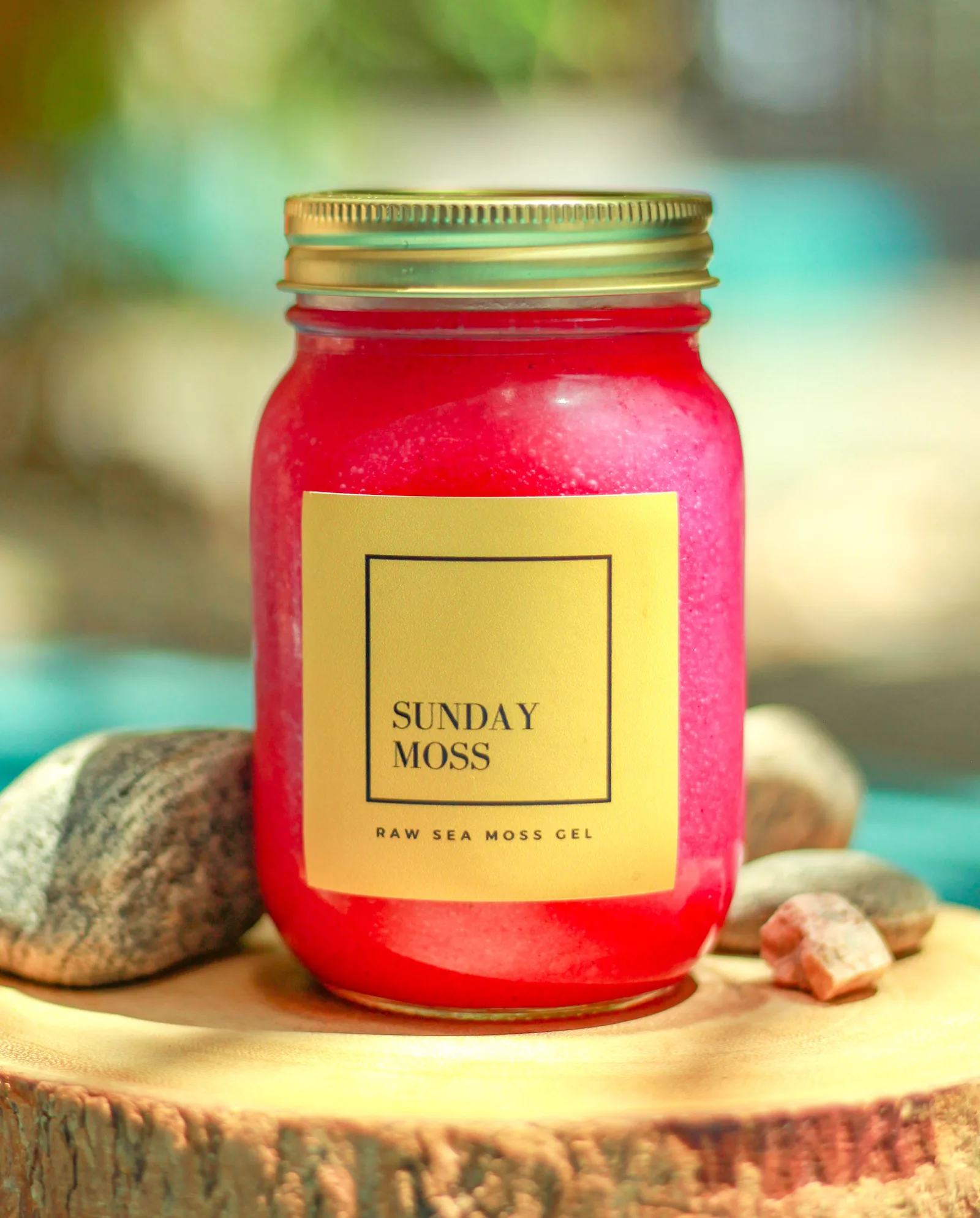
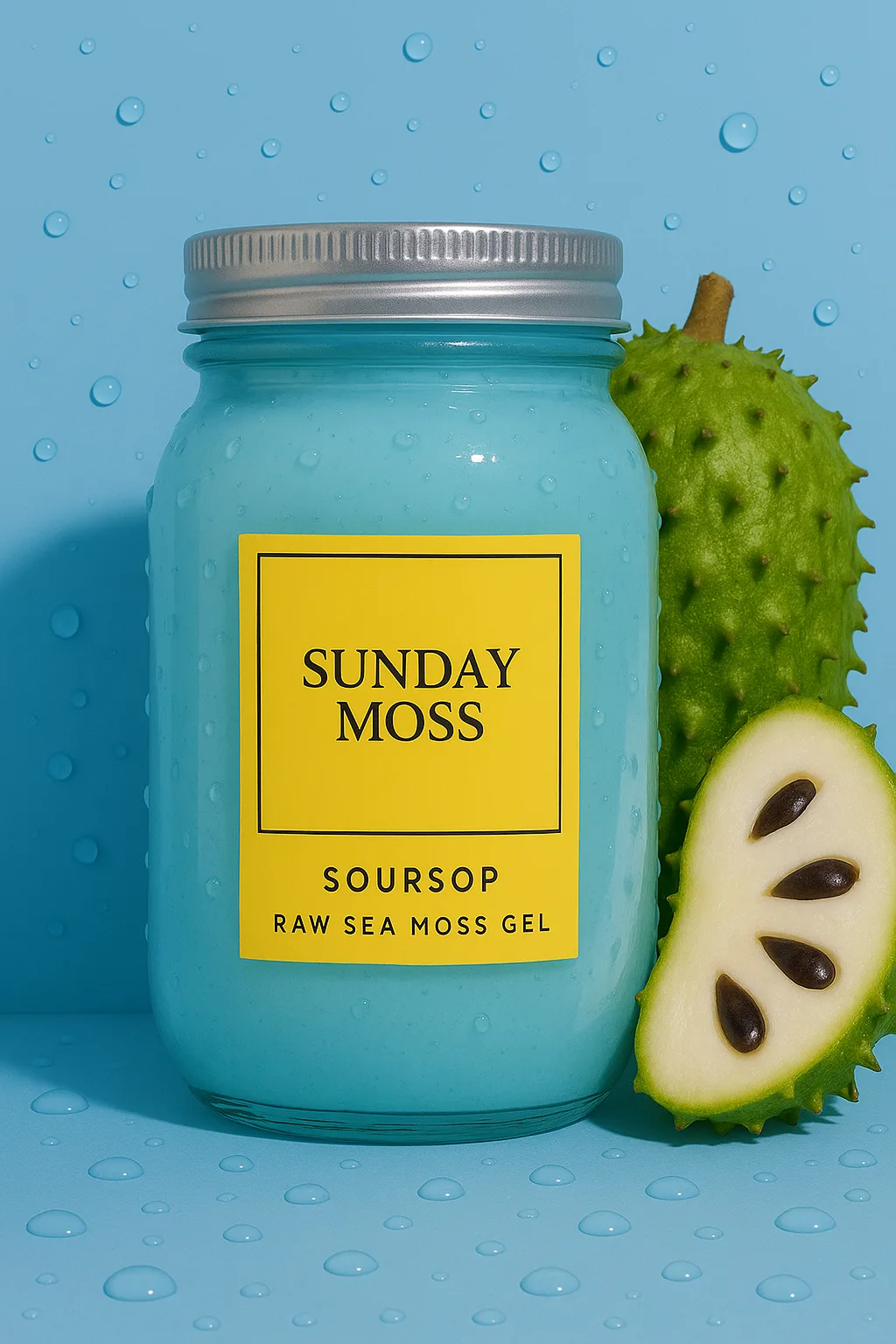
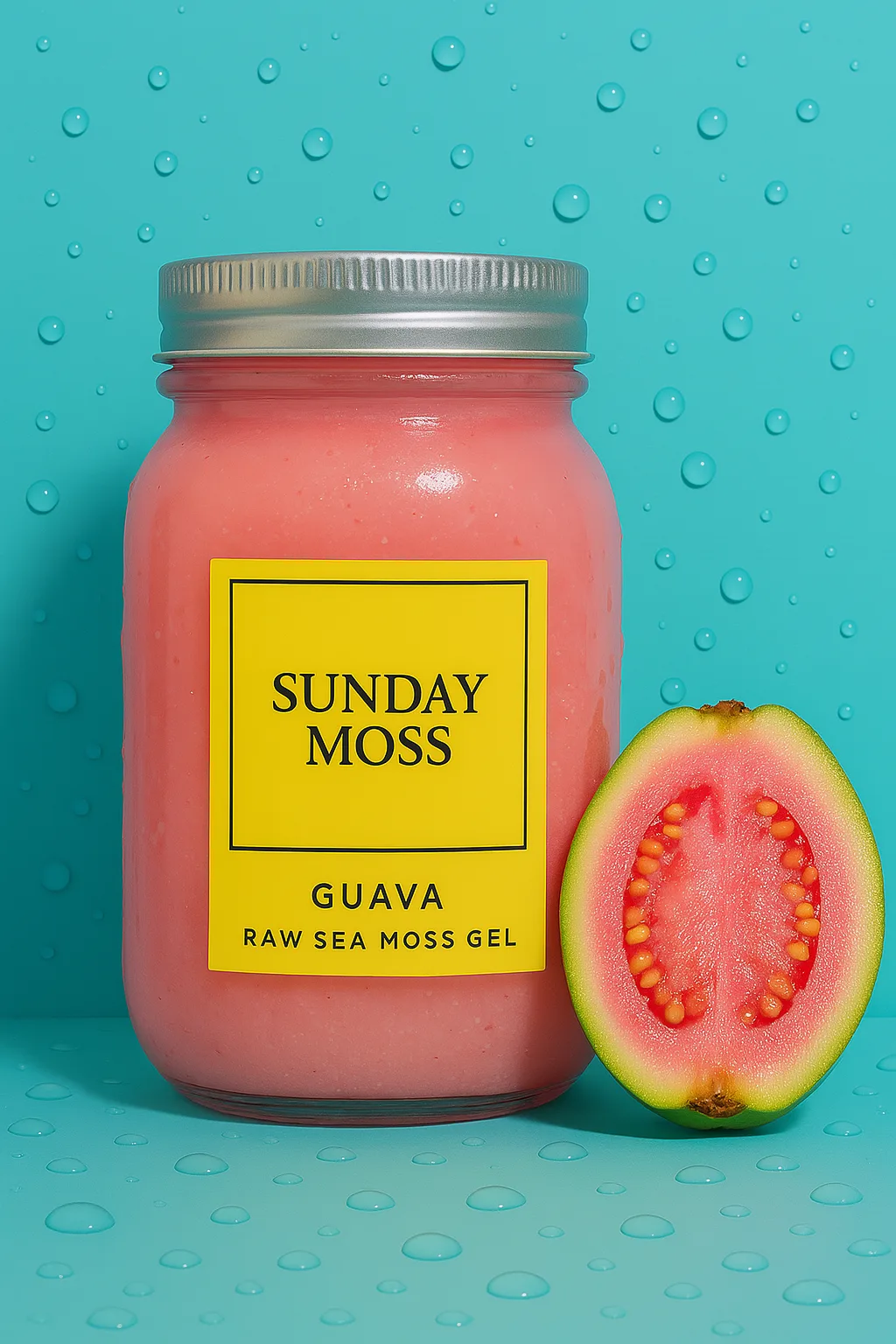
Sunday Moss sells its core gel in two jar sizes across a wide flavour range: the plain OG (gold) and Green (unflavoured) varieties, Purple Moss, Mango, Mango-Pear, Exotic (dragon fruit and passion fruit), Organic Concord Grape, Soursop Majik, Guava Mama, Pineapple with Ginger & Turmeric, and a Blue Majik Spirulina blend. Beyond the gel, the catalog also includes dried sea moss, sea moss gummies, and frozen single-serve "Moss Pops." Bundles such as the Holiday Trio, Weekend Duo, Discovery Flight, and Starter Ritual group multiple flavours together for shoppers who want to sample before committing to one.
The "92 of 102 Minerals" Claim, Explained
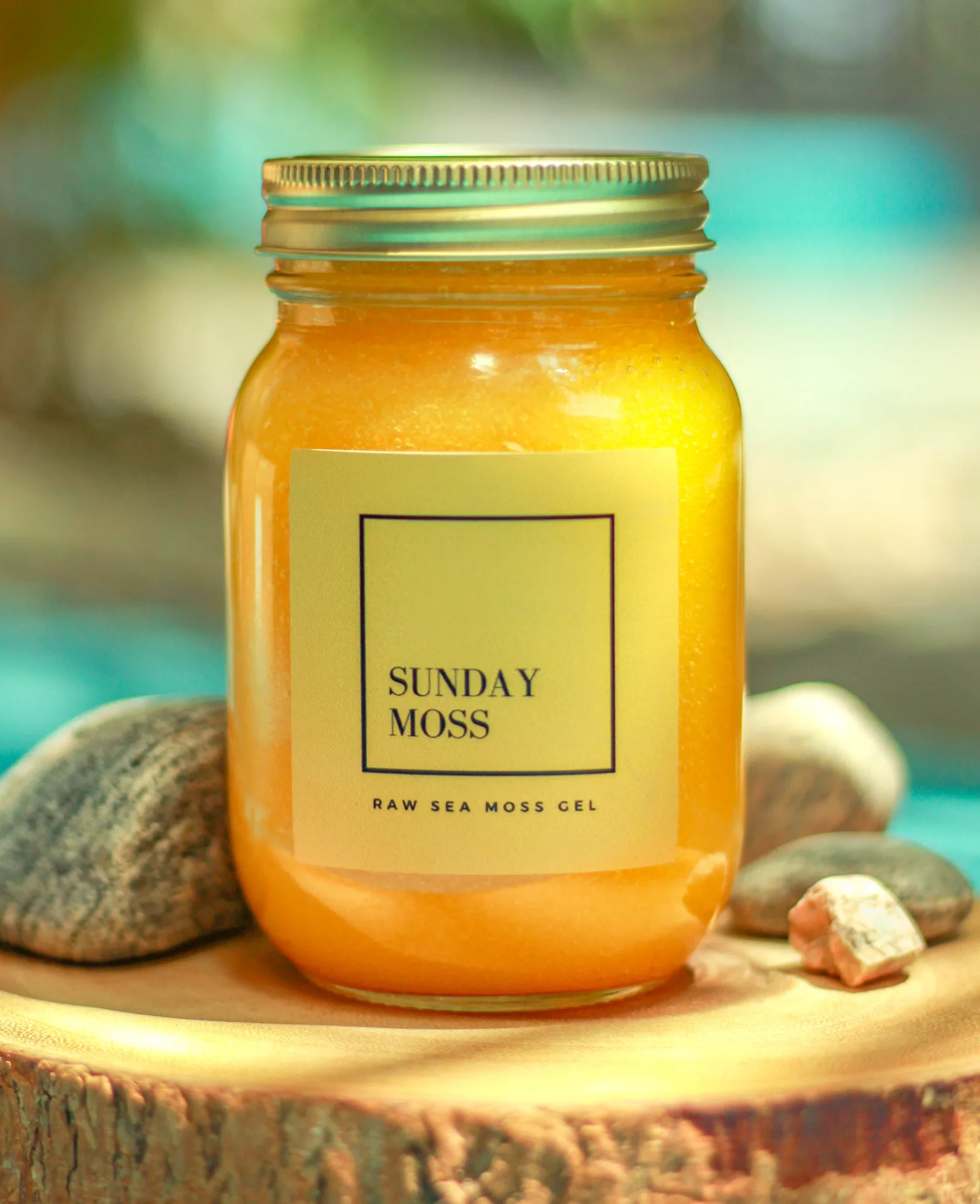
Sunday Moss's marketing for its OG (gold) variety states the product contains "92 of the 102 minerals our bodies need." That is a widely repeated claim across the sea moss category, not something unique to this brand — but it deserves a direct correction rather than a repeat. Scientific research indicates the human body requires only around 20 essential minerals, not 102, and this specific figure traces back to Dr. Sebi's teachings rather than a peer-reviewed nutritional source. Sea moss may well contain roughly 92 different elemental components in total, but most of those are not minerals in any nutritionally meaningful sense, and several are trace-level or, more concerning, toxic heavy metals rather than nutrients.
The takeaway is not that Sunday Moss is lying about what is physically present in sea moss — it is that "92 minerals" is a marketing number, not a nutrition claim, and it should not be the reason you buy a jar. The real, quantified mineral content (calcium, potassium, iron, and similar) is the more useful data point, and it is genuinely solid for a whole food.
What the Evidence Actually Says About Sea Moss
Sea moss is often marketed for immune support, energy, digestion, and hormone balance. Medical reviews are considerably more cautious: sea moss has not been shown to "boost" immunity in any specific clinical sense, "melt" body fat, "remove toxins," or correct hormone problems in otherwise healthy people. The most evidence-backed potential benefit relates to dietary iodine and thyroid function — useful for someone who is iodine-deficient — but that benefit is undercut by how unpredictable iodine levels are in commercial sea moss products. Northwestern Medicine's review summarizes it plainly: researchers need to do considerably more human research on sea moss before broad health claims can be substantiated, and current enthusiasm is driven mostly by traditional herbalism and anecdote rather than clinical trial data.
What to Check First Before You Buy Sea Moss Gel
This is the part of the decision that matters more than flavour. Before buying any sea moss product — Sunday Moss included — run through these checks.
- Iodine load. Iodine content in sea moss is highly variable and can reach levels that approach or exceed the adult Tolerable Upper Intake Level of 1,100 µg/day even at normal serving sizes. Excess iodine can trigger both hypothyroidism (via the Wolff-Chaikoff effect) and hyperthyroidism (Jod-Basedow effect), particularly in people with existing thyroid conditions. Medical guidance recommends pausing sea moss intake for at least two weeks before any thyroid panel, since daily consumption can shift iodine status enough to confound test results.
- Heavy-metal accumulation. Seaweed absorbs whatever is in its growing water, including cadmium, arsenic, and lead. A peer-reviewed compositional analysis of a closely related sea moss species detected measurable lead alongside its beneficial minerals. Wildcrafted sourcing (like Sunday Moss's St. Lucia harvest) is not automatically safer than farmed sea moss — water quality at the specific harvest site is what determines contaminant load, and that is exactly the kind of detail that requires independent testing to verify.
- Third-party testing and disclosure. Look for products tested for heavy metals (arsenic, cadmium, lead, mercury) and iodine content by an independent lab, not just the manufacturer. FDA and EFSA advisories note that fewer than 10% of commercial seaweed products disclose tested iodine levels per serving. Sunday Moss's product and sourcing pages describe wildcrafting and a distilled-water-only base, which is a fair transparency baseline, but the brand does not publish per-serving iodine or heavy-metal lab results — a gap worth asking the brand about directly before you buy, especially if you have a thyroid condition.
- Sourcing and harvest method. Confirm whether the product is wildcrafted or farmed and where. Seaweed grown in more polluted coastal waters accumulates metals at a higher rate, so geographic sourcing transparency (which Sunday Moss does provide) is a genuinely useful signal, even without a lab certificate attached.
- Processing method. Sun-drying, as used for Sunday Moss's gold variety, affects mineral retention — the brand itself notes this removes some nutrients compared to less-processed varieties.
- Storage and shelf life. Sea moss gel is prone to mold and bacterial growth if stored improperly. Watch for a pungent smell, a film on the surface, or visible mold, and keep the jar refrigerated.
- Realistic expectations. Treat sea moss as a whole-food mineral source, not a treatment for a medical condition, and talk to a doctor before adding it if you have a thyroid disorder or take iodine-sensitive medication.
Comparing the Flavours at a Glance
Because Sunday Moss's flavour range is the main way shoppers differentiate between jars, here is how the core options compare on blend and colour.
| Flavour | Blend | Gel Colour |
|---|---|---|
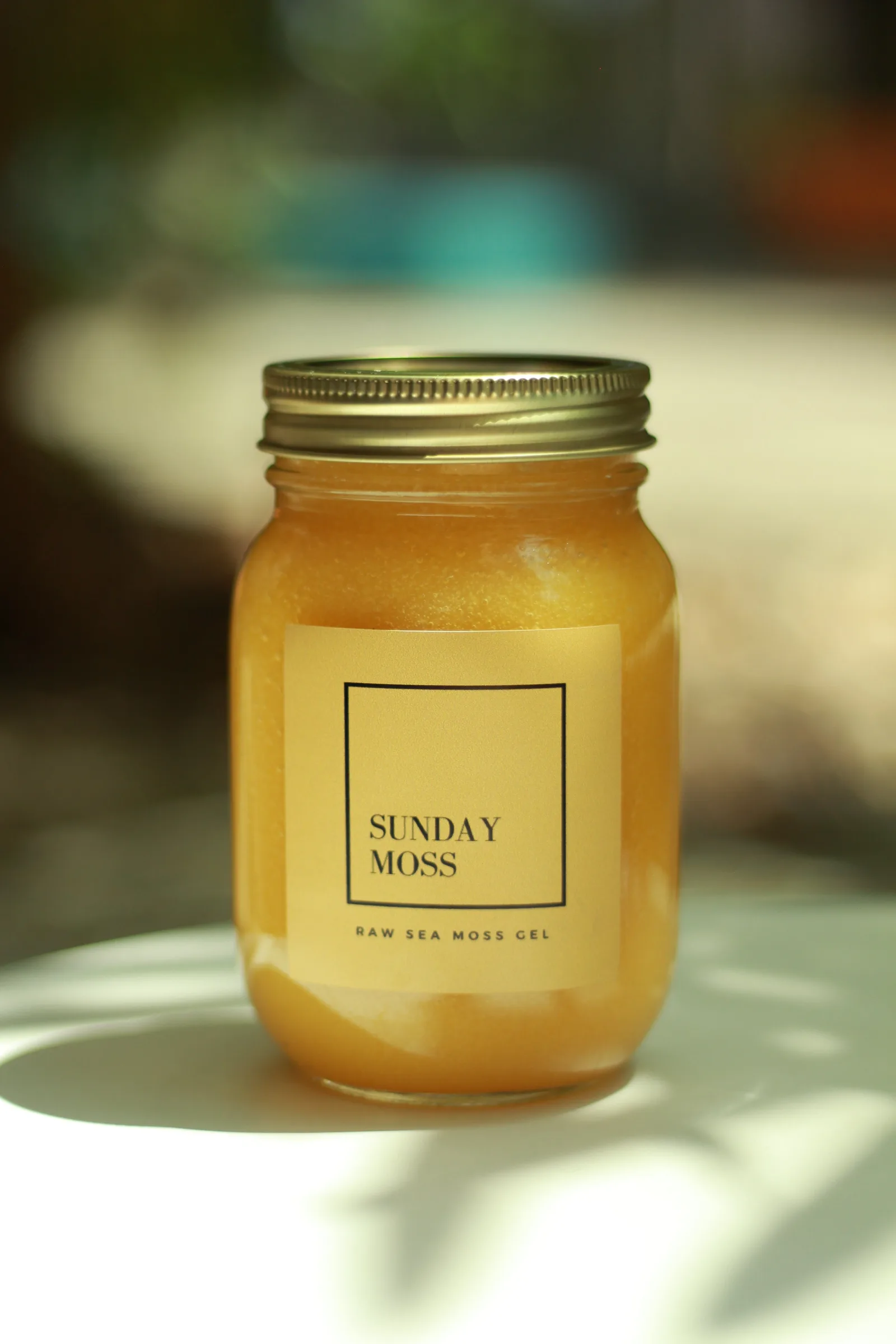
| OG (Gold) | Plain, sun-dried sea moss | Golden/amber |
| Purple Moss | Deep-water sourced, unexposed to direct sunlight | Deep purple |
| Exotic | Dragon fruit & passion fruit | Vibrant red/pink |
| Mango | Mango | Golden-orange |
| Pineapple with Ginger & Turmeric | Pineapple, ginger, turmeric | Golden-yellow |
| Soursop Majik | Soursop and spirulina | Pale cream |
| Guava Mama | Guava | Warm peachy-orange |
How to Choose Your Flavour
If this is your first jar, start with the OG (Gold) or Green variety so you know exactly what plain sea moss tastes and feels like before layering in fruit. If you have tried plain sea moss and found the ocean-forward taste hard to get through, Exotic, Guava Mama, or Mango are the more fruit-dominant options built to mask that flavour. If you are drawn to the deeper-water sourcing story, Purple Moss is the brand's answer to that. And if you want a savoury-adjacent option to blend into smoothies or oatmeal rather than eat by the spoonful, Pineapple with Ginger & Turmeric or Soursop Majik (with spirulina) lean more into a functional-food direction. None of these flavour choices change the iodine or heavy-metal questions above — they are a taste decision layered on top of a sourcing decision, not a substitute for it.
Common Mistakes to Avoid
- Assuming "wildcrafted" means contaminant-free. Wildcrafted sourcing is a transparency plus, not a safety guarantee — water quality at harvest is what actually determines heavy-metal load.
- Ignoring the thyroid interaction. Daily sea moss intake can shift iodine status enough to affect thyroid panel results; pause intake for at least two weeks before testing, and check with a doctor first if you have a thyroid condition.
- Treating "92 minerals" as a reason to buy. It is a marketing figure, not a clinical one — the real, quantified mineral content is what matters.
- Skipping storage checks. A pungent smell, surface film, or visible mold means the jar should be discarded, not consumed.
Alternatives Worth Comparing
Sunday Moss is one of several small-batch sea moss sellers on the market. Before you commit to one brand, it is worth reading our broader sea moss benefits explainer and our guide to taking sea moss gel daily for dosing and usage context that applies across brands. If you want to see how a larger competitor stacks up, our True Sea Moss review and our CGI Green Sea Moss Gel review cover two other sellers with different sourcing and flavour approaches.
Our Verdict
Sunday Moss earns credit for real sourcing transparency — wildcrafted St. Lucia sea moss, a simple distilled-water base, and made-to-order small batches. Where it falls short of the bar every sea moss seller should meet is publishing independent, per-serving test results for iodine and heavy metals. If you are otherwise healthy, comfortable with the sourcing story, and willing to ask the brand directly about testing before ordering, Sunday Moss is a reasonable pick among wildcrafted sea moss brands. If you have a thyroid condition or take iodine-sensitive medication, talk to a doctor before adding any sea moss product to your routine.
View Sunday Moss FlavoursSources
- NCBI/PubMed Central — Seaweed Nutritional Value and Bioactive Properties review
- StudyFinds — Analysis of the sea moss "92 minerals" mineral mythology
- Healthline — Sea Moss Nutrition and Safety Review
- NCBI — Emergence of Seaweed and Seaweed-Containing Foods: Labeling and Safety
- Northwestern Medicine — Health Benefits and Risks of Sea Moss
This article is for informational purposes only and is not medical advice. Sea moss has not been evaluated by the FDA to diagnose, treat, cure, or prevent any disease. Talk to a doctor before adding sea moss to your routine, especially if you have a thyroid condition, take iodine-sensitive medication, or are pregnant or breastfeeding. Tasteoria may earn a commission from links in this article at no extra cost to you.
Recommended for you
 SEEQ clear protein Review: 22g Protein, Zero Sugar (2026)
 Wild Society Protein Powder Review 2026: Best Whey Pick?
 Wild Society Superfoods: 6 Best Clean Picks (2026 Guide)
 Clean Protein for an Active Lifestyle: The Best 2026 Guide
 Wild Society vs Other Clean Protein: Best 2026 Guide
 Iron Brothers Clean Amino Energy Review: Best Low-Stim Pick (2026)