Fushi Wellbeing Review 2026: Is the Organic Black Seed Oil Worth It?
What is Fushi Wellbeing?
Fushi Wellbeing review shoppers usually land here with one question: does the Organic Black Seed Oil 250ml live up to the London brand's Ayurvedic-inspired reputation, or is it just another cold-pressed oil with a nice label? We dug into the brand's own sourcing claims, checked them against the wider Nigella sativa research, and flagged exactly who should skip this supplement entirely.
Key Highlights
- Founded in 2008 in London by Rannesh Jansari and Ria Pattni, built on Ayurvedic family recipes.
- Cold-pressed, organic, food-grade Nigella sativa oil in a 250ml glass bottle.
- Over 85% of Fushi's range carries Soil Association organic certification.
- Black-seed research is promising but mostly low-quality — this is not a treatment for any condition.
- Not suitable during pregnancy, alongside anticoagulants, or before surgery.
A well-sourced, Soil Association-linked black seed oil for people who already want this ingredient in their routine — not a substitute for medical treatment.
If you already understand what black seed oil is and want a traceable, certified-organic source, Fushi's 250ml bottle is a reasonable pick. If you're hoping it will treat a diagnosed condition, talk to a clinician first — the supporting research is early-stage.
Check Fushi Black Seed Oil PriceWhat is Fushi Wellbeing?
Fushi Wellbeing is a London-based supplement and skincare brand founded in 2008 by Rannesh Jansari and Ria Pattni, who built the company around Ayurvedic family recipes passed down from their grandparents. Products are hand-blended in the brand's own London workshop rather than mass-manufactured overseas, which is part of why Fushi positions itself as a heritage wellness brand rather than a fast-growing supplement startup.
Sourcing is the brand's stated differentiator: Fushi says it maintains direct relationships with farmers and developing communities, favors biodynamically grown herbs, and times harvesting seasonally. Over 85% of Fushi's product range carries Soil Association organic certification, the UK's leading organic certifying body — a more concrete trust signal than a star rating, since it's issued by an independent third party rather than the brand itself.

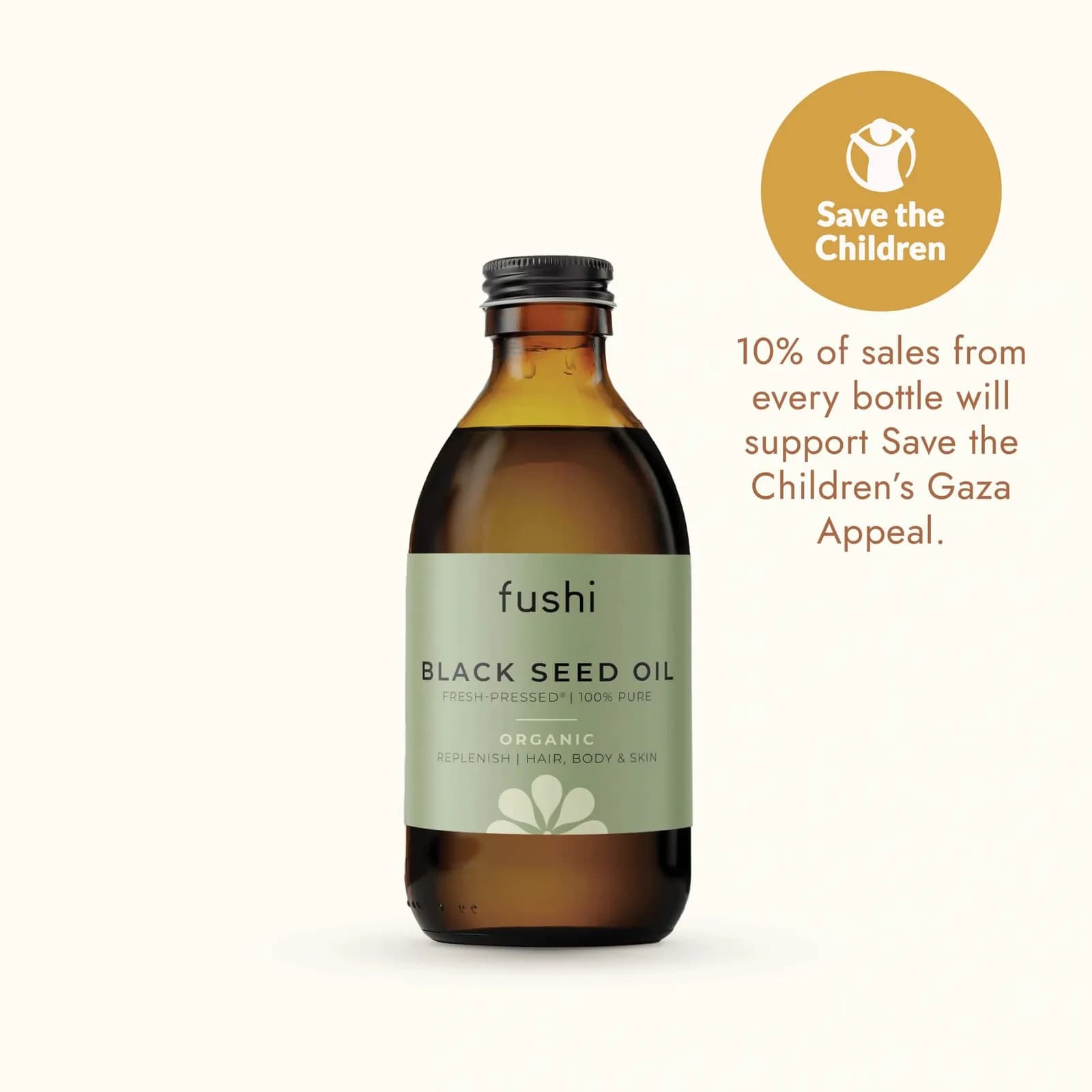
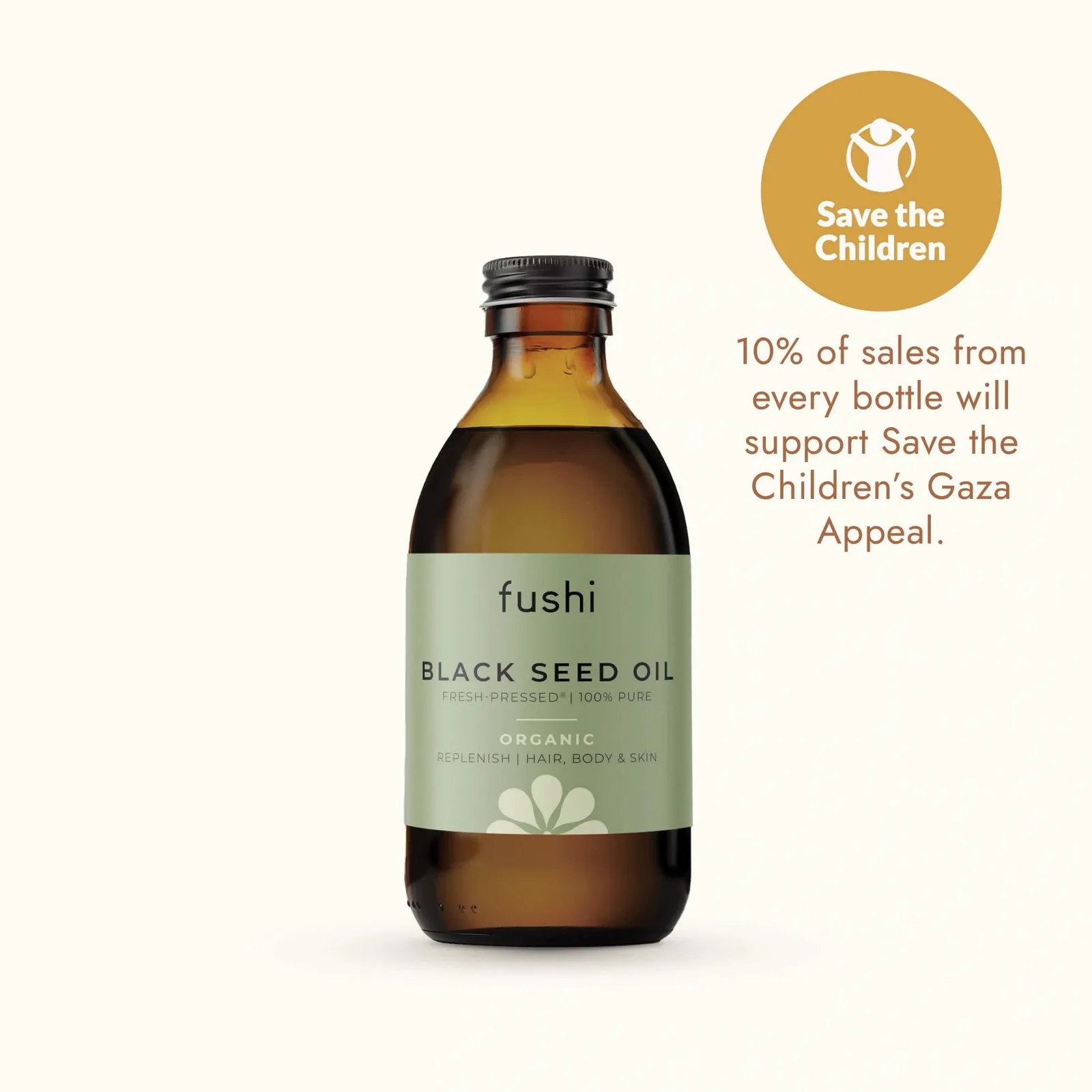
Fushi also puts 10% of sales from certain products, including this Organic Black Seed Oil, toward Save the Children at the time of publication. It's a nice-to-have rather than a reason to buy on its own, but it fits the brand's stated ethos of pairing Ayurvedic tradition with modern accountability.
Organic Black Seed Oil 250ml
Cold-pressed, organic, food-grade Nigella sativa oil in the brand's standard everyday size.
Fushi Wellbeing review: Organic Black Seed Oil 250ml up close
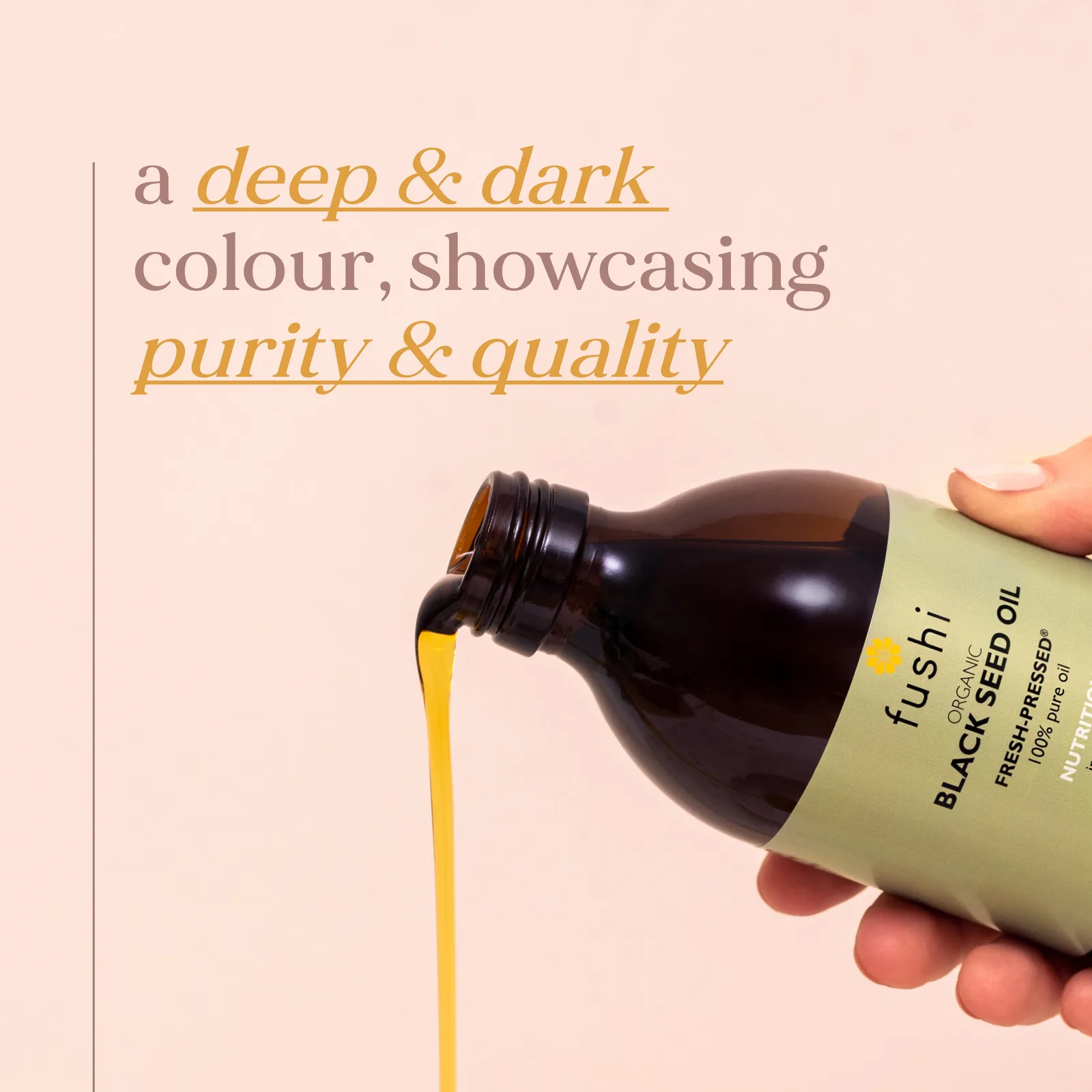
The core product in this Fushi Wellbeing review is the Organic Black Seed Oil 250ml, which the brand describes as 100% pure, organic, food-grade, and cold-pressed from Nigella sativa seeds. It ships in a 250ml glass bottle rather than plastic, which matters for oil stability and is a small but genuine quality signal for a product you're taking internally.
Fushi also states the oil contains up to 2.4% thymoquinone, marketed as roughly five times stronger than generic black seed oils. Worth flagging clearly: this is the brand's own claim, not a figure verified by an independent lab test we could access, and it runs higher than some of the volatile-fraction figures reported in the wider literature (more on that below). Take it as a marketing data point, not an audited spec.
Fushi Organic Black Seed Oil 250ml
What We Like
- Cold-pressed and organic, with a traceable London-based supply chain.
- Glass bottle packaging rather than plastic.
- Part of a brand with genuine third-party organic certification, not just a self-issued label.
What to Consider
- The 2.4% thymoquinone figure can't be independently confirmed from public data.
- No published rating platform data we could verify at the time of review — we're not printing an unverifiable number here.
- Not suitable for pregnant users, anyone on anticoagulants, or before surgery.
For a supplement-focused audience, this bottle does what a black seed oil should: it's genuinely cold-pressed, comes from an organic-certified line, and is packaged sensibly. Where Fushi loses points is transparency around the thymoquinone claim — a lab certificate of analysis would settle the question instantly, and its absence means we can't confirm the number for you.
How black seed oil works
Thymoquinone is the most abundant compound in the volatile oil fraction of Nigella sativa seeds, making up about 14.5% of that fraction, and it's the constituent most researchers point to when explaining black seed oil's biological activity. In laboratory and animal studies, thymoquinone has shown antioxidant, anti-inflammatory, antidiabetic, antimicrobial, and immunomodulatory effects — properties that may support general wellness pathways, though lab and animal findings don't automatically translate to guaranteed effects in humans.
This is also where Fushi's 2.4% claim needs context: published chemistry on the volatile oil fraction itself runs closer to the 14.5% figure above for thymoquinone's share of that specific fraction, so the brand's percentage likely refers to a different measurement basis (whole-oil concentration rather than volatile-fraction share). Neither number is wrong on its face — they're just not directly comparable, which is a common source of confusion in supplement marketing.
What the research actually shows
Before citing any benefit, it's worth leading with the honesty check: a systematic overview of 20 meta-analyses covering 110 health outcomes for Nigella sativa found that only 5 outcomes were rated moderate-quality evidence, while 88 were rated very low quality. In plain terms, most black-seed research to date is thin, and none of it was conducted on Fushi's specific product — every figure below describes black seed oil in general, not this bottle.
With that caveat firmly in place: a systematic review of randomized controlled trials found black seed and thymoquinone show therapeutic potential related to inflammatory and metabolic markers, with established pharmacological actions including antioxidant, antidiabetic, and anti-inflammatory effects in the underlying research base. A systematic review of randomised trials reported average changes versus placebo of total cholesterol down 15.6 mg/dL, LDL down 14.1 mg/dL, triglycerides down 20.6 mg/dL, and HDL up 3.2 mg/dL. Separately, a meta-analysis of 17 randomized controlled trials found black seed supplementation was associated with reductions in fasting blood glucose, HbA1c, and fasting insulin compared with placebo.
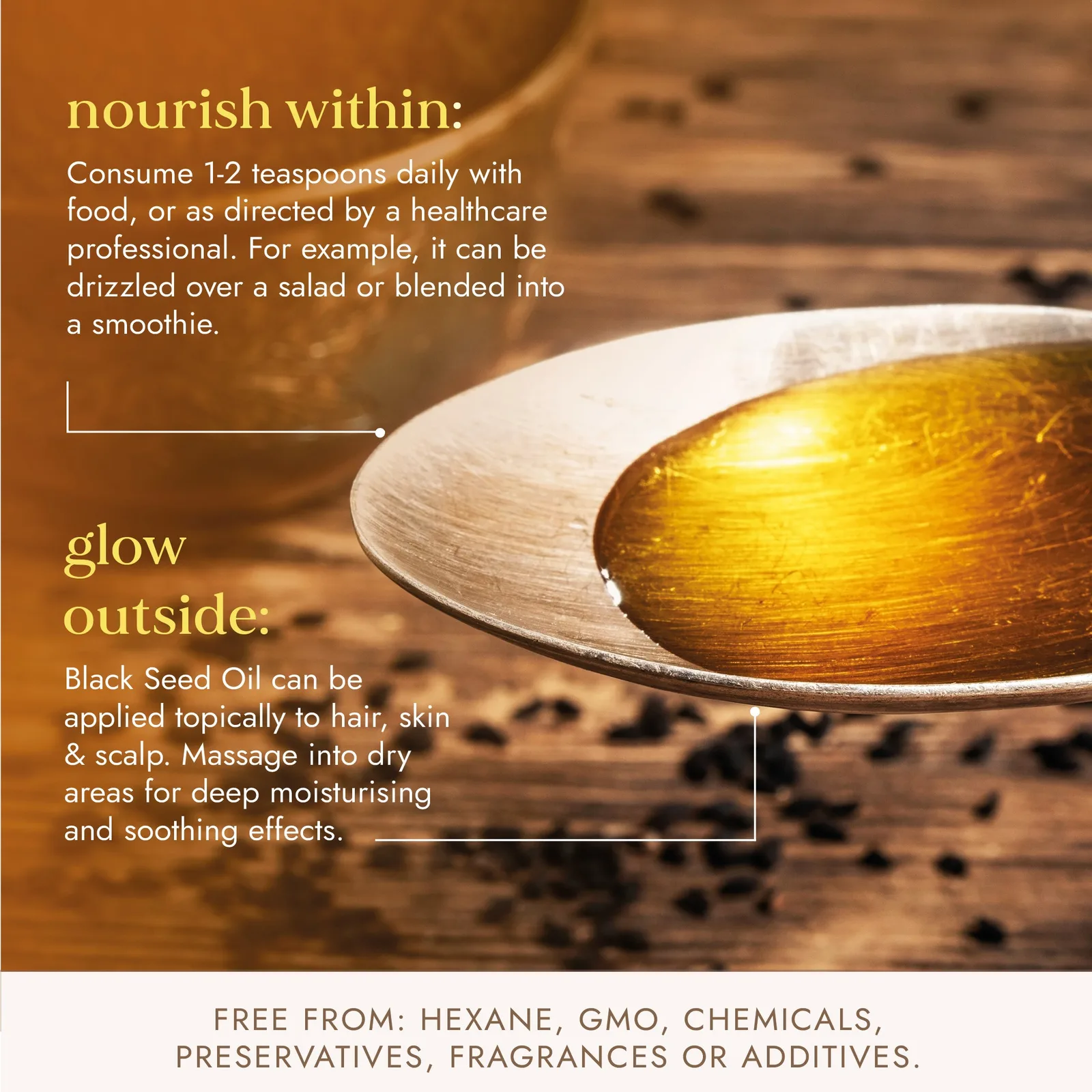
Researchers consider the hypoglycemic, hypolipidemic, and bronchodilatory effects the most sufficiently studied so far; most other claimed benefits — including anti-cancer, anti-seizure, and fertility effects — still require further clinical study before they can be confirmed. None of this makes black seed oil a treatment for diabetes, high cholesterol, or asthma — it means the ingredient is a legitimate area of ongoing research, not a settled cure.
Readers who want a broader look at how supplements get validated before you buy might find our guide to NSF-certified sports supplements useful context on third-party testing standards generally.
Sizes and how to choose
Fushi sells the Organic Black Seed Oil in three sizes plus a bundle, and it's easy to blur them together in marketing copy — so here's the distinction. The 250ml bottle reviewed above is the everyday-use size and the one this article, and the linked CTA, focuses on. A 100ml bottle exists for anyone who wants to trial the oil before committing to the larger size. A smaller 10ml bottle is aimed at more occasional or topical use. Fushi also sells a castor oil + black seed oil bundle that pairs the two oils, which suits people who already use castor oil topically and want to add black seed oil to the same routine.
If you're new to black seed oil, starting with the 100ml size to confirm it suits you — before moving to the 250ml for regular use — is the more conservative approach. Anyone already using Fushi's castor oil should look at the bundle rather than buying both separately.
| Format | Best for | Price |
|---|---|---|
| Organic Black Seed Oil 250ml | Regular, everyday use | Check current price |
| Organic Black Seed Oil 100ml | Trying black seed oil for the first time | Check current price |
| Black Seed Oil 10ml | Occasional or topical use | Check current price |
| Organic Castor Oil & Black Seed Oil 250ml | Pairing with an existing castor oil routine | Check current price |
Who should avoid it
This is the section we'd want you to read even if you skip everything else. Black seed in medicinal amounts is considered likely unsafe during pregnancy, as it may slow or stop uterine contractions. It also has mild blood-thinning properties, so combining it with anticoagulant medications such as warfarin or aspirin can increase bleeding risk, and it may interact with diabetes medication (raising hypoglycemia risk) or blood pressure medication (raising hypotension risk). It should also be discontinued before any surgical procedure due to bleeding risk.
If any of that applies to you — pregnancy, anticoagulant therapy, or an upcoming surgery — skip this product and talk to your doctor first. This is general safety information, not a substitute for individualized medical advice.
How We Chose
We selected this product from Fushi's Organic Black Seed Oil line by checking the brand's own sourcing and certification claims against peer-reviewed Nigella sativa research, and by verifying which safety warnings apply before recommending it to any reader.
Alternatives and pairings
Black seed oil isn't the only ingredient worth understanding if you're building a broader supplement routine. If you're comparing single-ingredient oils against marine-sourced options, our piece on sea moss benefits for daily use covers a different, mineral-focused category. If your shelf is already crowded with bottles, how to simplify your supplement routine walks through cutting down to what actually matters. And because black seed oil is sometimes taken alongside adaptogens for general wellbeing, how to lower cortisol naturally and our best all-in-one supplement picks for 2026 are useful next reads if you're deciding what else belongs in your routine. If you're stacking black seed oil alongside adaptogens, all-in-one protein shakes with built-in adaptogen blends are one way to consolidate that routine into a single scoop. And if it's cardiovascular marketing you're weighing up, our Black Forest Supplements review is a cautionary look at how far those claims can outrun the published evidence.
The Bottom Line
This Fushi Wellbeing review lands on a cautious yes for shoppers who specifically want a cold-pressed, organic black seed oil from a traceable London brand — and a clear no for anyone pregnant, on anticoagulants, or facing surgery.
See Fushi Organic Black Seed OilReferences
- Review on Clinical Trials of Black Seed (Nigella sativa) and Thymoquinone. PubMed.
- Nigella sativa and health outcomes: Overview of systematic reviews and meta-analyses. Frontiers in Nutrition (2023).
- Black Seed: Overview, Uses, Side Effects, Precautions. WebMD.
- Black seed oil benefits and cardiovascular lipid research. Medical News Today.
Recommended for you
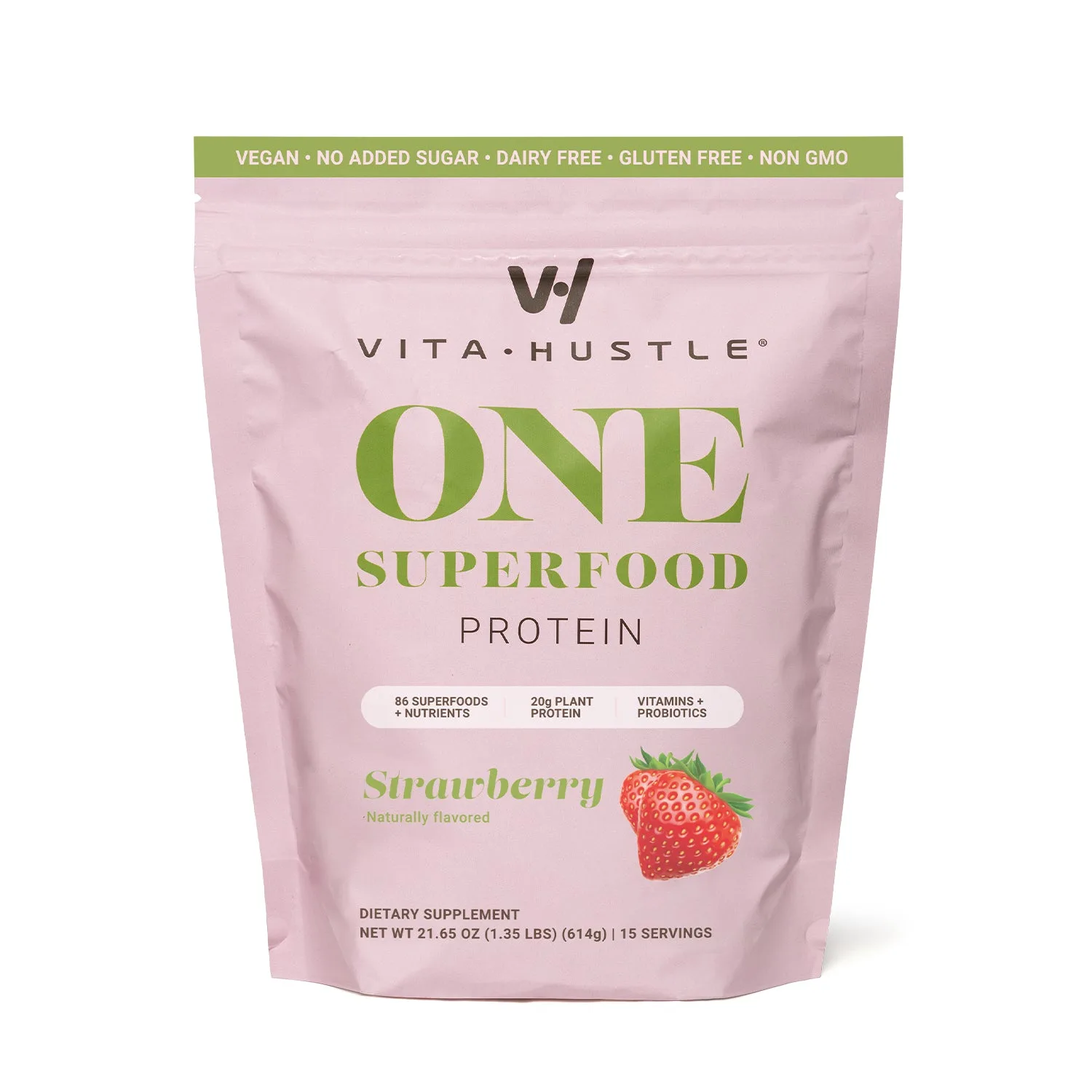 VitaHustle Review 2026: Kevin Hart's Superfood Shake Tested
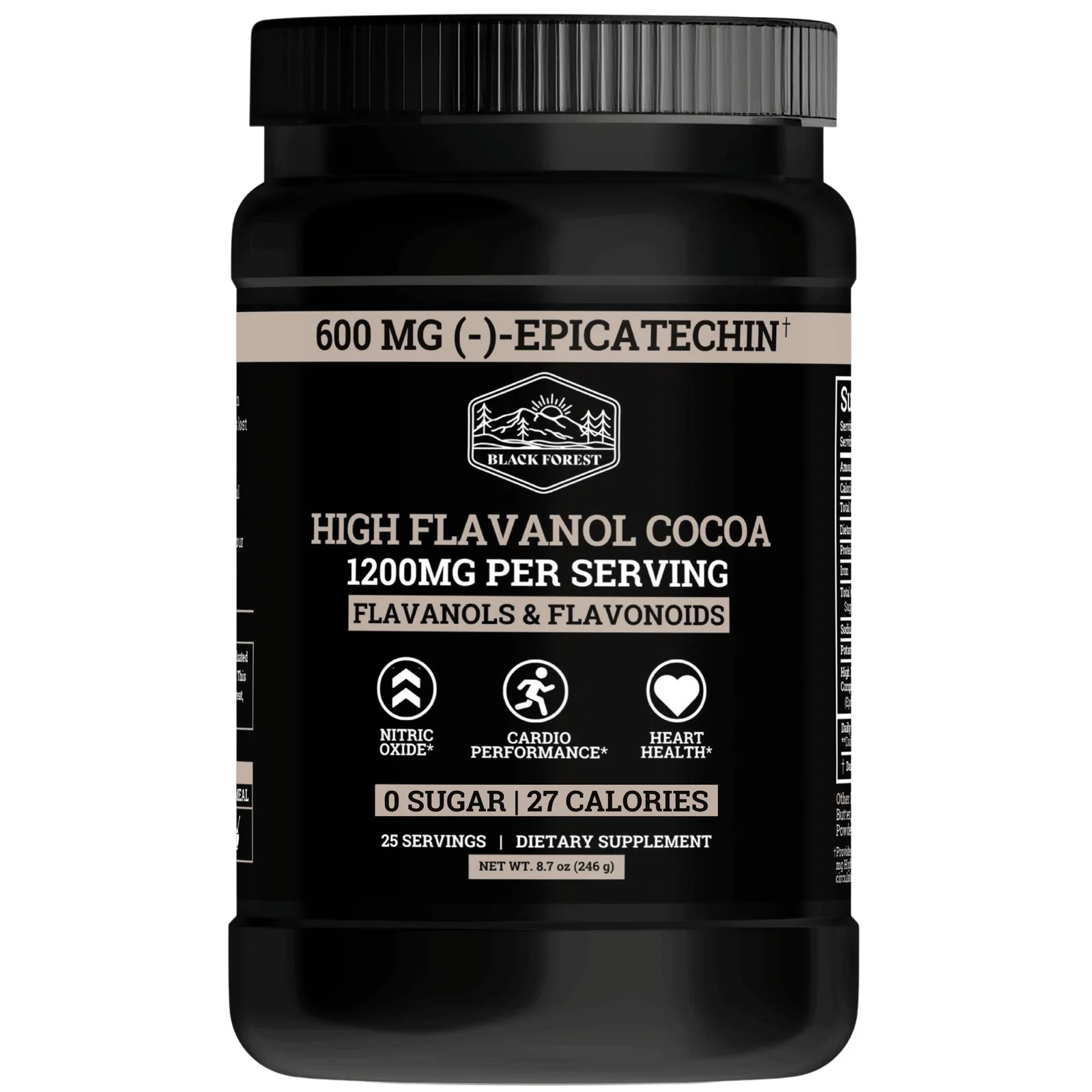 Black Forest Supplements Review 2026: The Science, Honestly
 SEEQ clear protein Review: 22g Protein, Zero Sugar (2026)
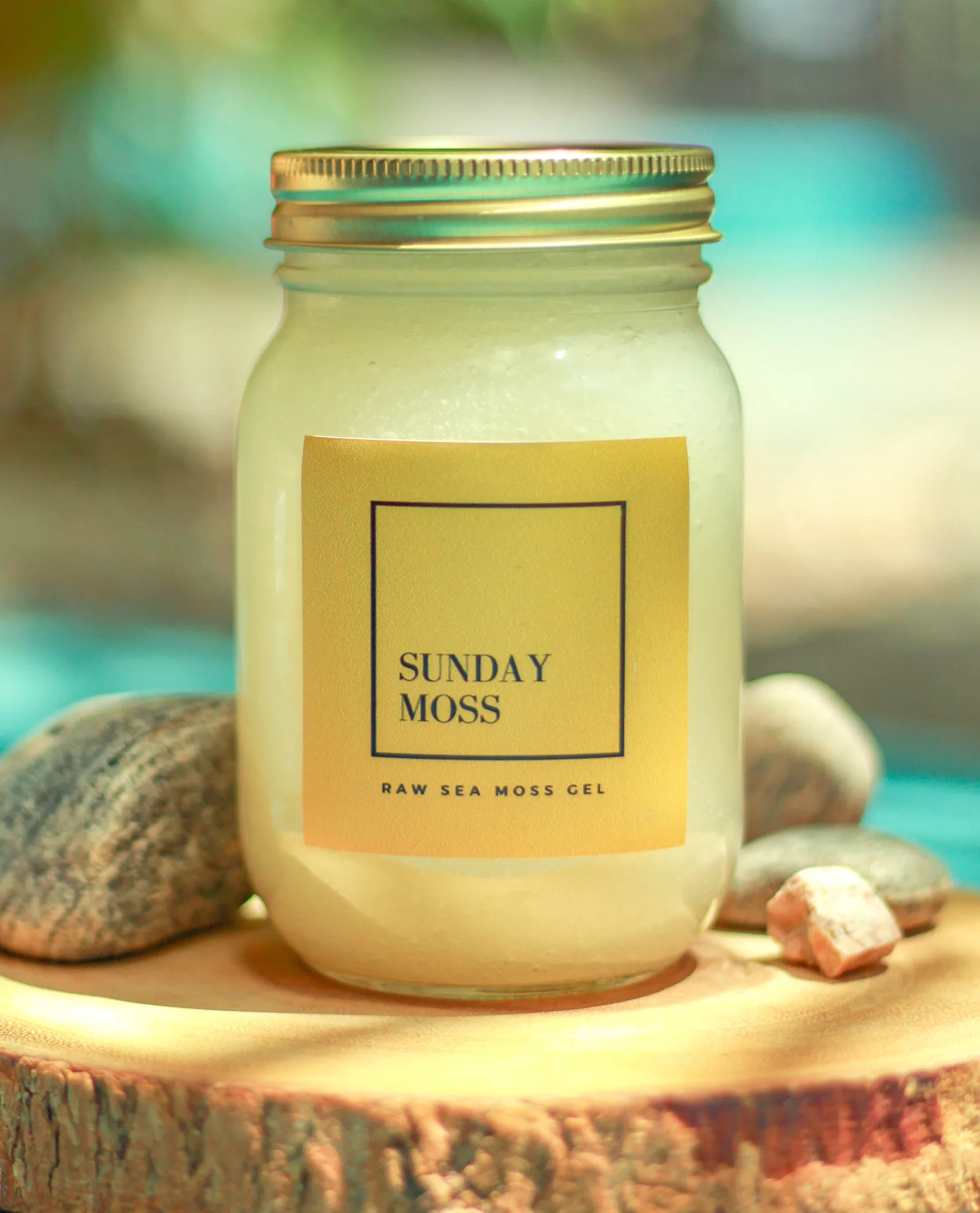 Sunday Moss Review 2026: 7 Things to Check Before You Buy
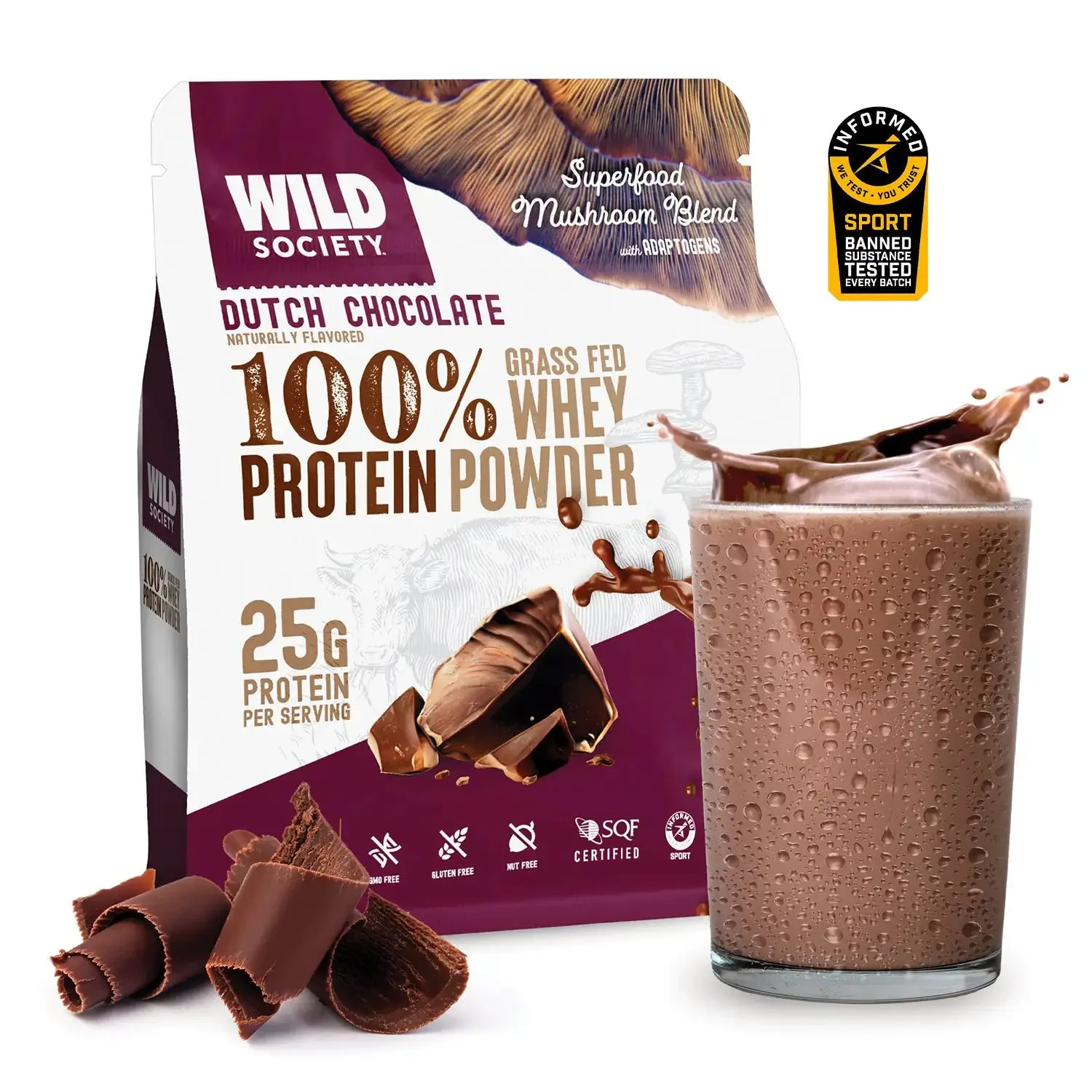 Wild Society Protein Powder Review 2026: Best Whey Pick?
 Wild Society Superfoods: 6 Best Clean Picks (2026 Guide)