If you’re hunting for the best raw honey to keep on the shelf in 2026, the honest answer is that most of what sits in the grocery aisle isn’t really competing. The plastic bear filled with pale, flavorless syrup has been ultra-filtered and often heat-treated until everything interesting about honey is gone. Real raw honey – unfiltered, unpasteurized, and tied to a specific flower source – tastes like the place the bees worked. It’s one of the cheapest upgrades you can make to your pantry, and it’s the kind of thing you only have to taste once to understand.
This guide breaks down what “raw” actually means, how varietal honey changes the flavor on your toast, and which jars are worth buying first – using a 90-plus-year Wisconsin beekeeper, Honey Acres, as the benchmark.
What Makes the Best Raw Honey Different
Raw honey is honey the way it leaves the hive: strained to remove wax and debris, but never heated above hive temperature and never fine-filtered. That single difference is why raw honey is worth seeking out.
When honey is pasteurized and micro-filtered for supermarket shelves, three things happen. It loses the trace pollen that tells you where it came from. It loses the delicate aromatic compounds that give each varietal its character. And it crystallizes more slowly, which looks nice on a shelf but tells you nothing about quality – in fact, raw honey naturally crystallizes over time, and that granulation is a sign it hasn’t been cooked.
The best raw honey keeps all of it: the pollen, the aroma, the enzymes, and the personality. A jar of raw clover honey and a jar of raw buckwheat honey taste almost nothing alike, and that’s the whole point.
The quick checklist for raw honey:
– Labeled “raw” and ideally “unfiltered” or “unpasteurized”
– Names a single flower source (clover, buckwheat, basswood) rather than just “honey”
– Comes from a named beekeeper or apiary, not an anonymous blend
– Crystallizes over time instead of staying syrupy forever
– Has real aroma when you open the jar
Raw Honey by Varietal: A Flavor Map
The “best” raw honey depends entirely on what you want to do with it. Varietal honey – honey made primarily from one type of flower – ranges from barely-there sweet to almost molasses-dark. Here’s how the common ones stack up.
| Varietal | Color | Flavor | Best Use |
|---|---|---|---|
| Clover | Light gold | Mild, classic, clean | Everyday, tea, baking |
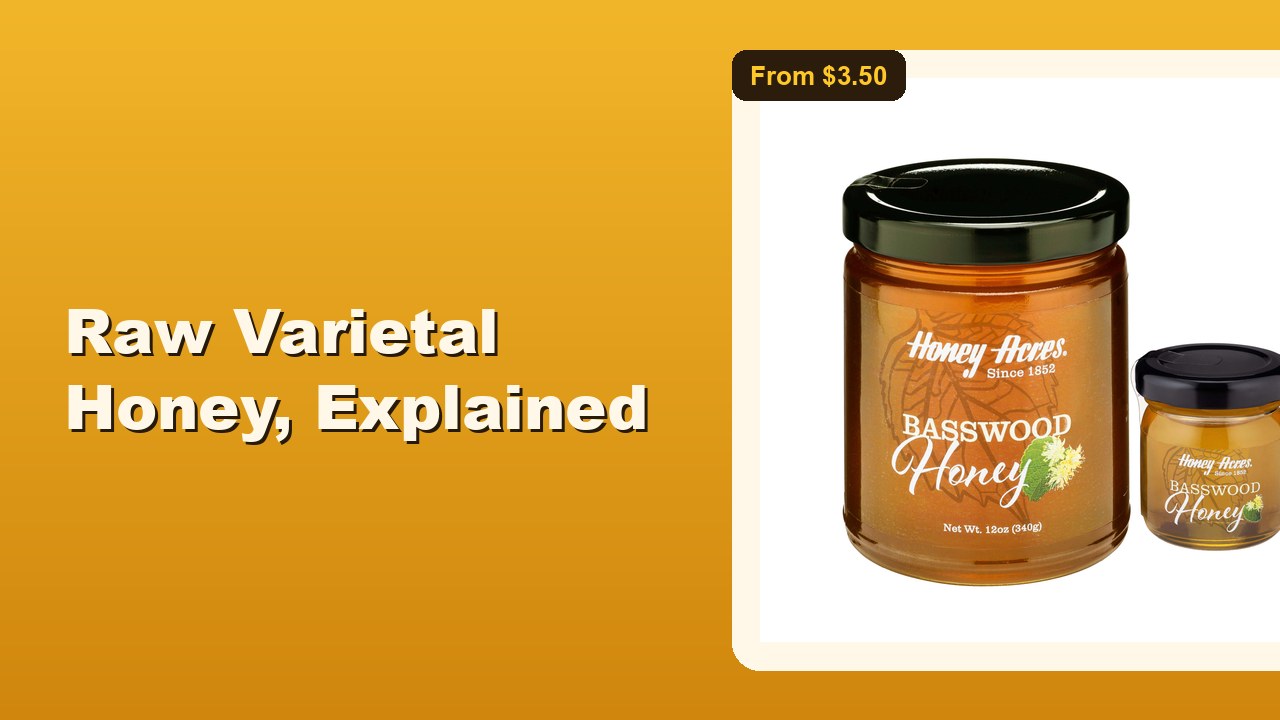
| Basswood | Pale, greenish | Fresh, minty, herbal | Cheese boards, drizzling |
| Orange Blossom | Light amber | Citrusy, floral | Yogurt, vinaigrettes |
| Wildflower | Amber | Rounded, seasonal | All-purpose |
| Buckwheat | Dark brown | Bold, malty, molasses | Marinades, dark bread, immune support |
Clover is the gateway. It’s the light, balanced honey most people picture, and it’s the one to keep in the squeeze bottle by the stove.
Buckwheat is the opposite end – dark, robust, almost savory, and traditionally the varietal people reach for during cold season because of its strength. If clover is a white wine, buckwheat is an espresso.
Basswood and orange blossom sit in the interesting middle: distinctive enough to notice, mild enough to use freely.
Honey Acres bottles all of these as raw varietals, which is part of why it’s a useful brand to taste through – you can compare clover, basswood, buckwheat, orange blossom, and wildflower from the same beekeeper and actually taste what the flower does.
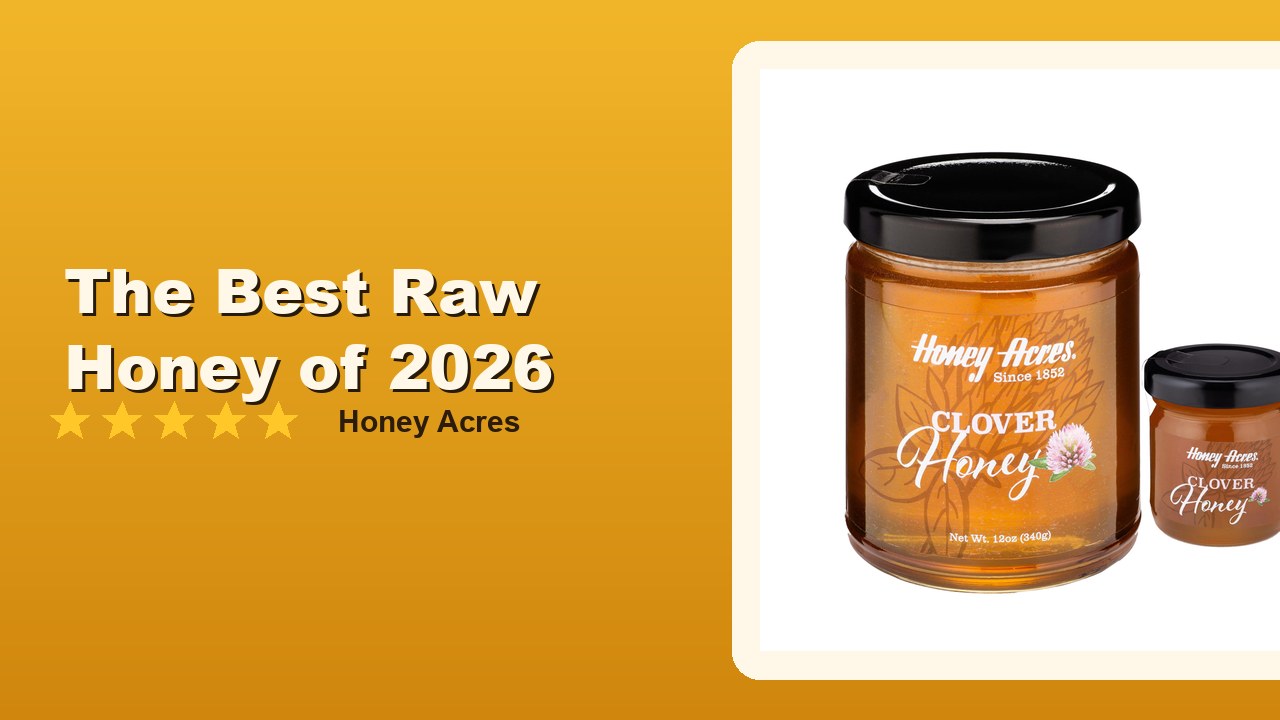
Best Everyday Raw Honey: Honey Acres Clover
For a jar you’ll actually reach for daily, Honey Acres Clover Honey is the pick. It’s raw, light, and clean, and it comes in formats that match how people really use honey:
- 2oz Baby BEAR – $3.35, the try-it size
- 12oz BEAR squeeze bottle – $7.00
- 16oz squeeze – $8.50
- 24oz squeeze – $12.50
- 5lb squeeze bottle – $30.00 for heavy users and bakers
The squeeze format matters more than people admit. Raw honey crystallizes, and a wide-mouth squeeze bottle makes that a non-issue – you can warm it in a bowl of hot water and it pours right back. Glass varietal jars start at just $3.50, which makes building a small tasting flight genuinely cheap.
Shop Honey Acres raw honey here
Best Bold Raw Honey: Honey Acres Buckwheat
If you only know honey as “sweet,” raw buckwheat honey rewires that. Dark, malty, and intense, it stands up to strong cheese, glazes for roast meat, and dark sourdough. Honey Acres sells it in glass jars from $3.50 and in a 5lb squeeze bottle for $35.00 – the bottle being the move once you’re hooked.
Buckwheat is also the varietal most associated with the folk remedy of a spoonful for a scratchy throat, precisely because the dark, high-antioxidant honeys carry the most punch.
Beyond the Jar: What a Real Honey Brand Looks Like
One reason Honey Acres is a useful yardstick for the best raw honey is that the honey is the core of the business, not an afterthought. The company has been keeping bees in southeastern Wisconsin for over 90 years, runs a 40,000-square-foot facility, and even operates a “World Famous Honey Museum” on site. The clover jars are literally labeled Since 1852.
That heritage shows up in the rest of the lineup, too:
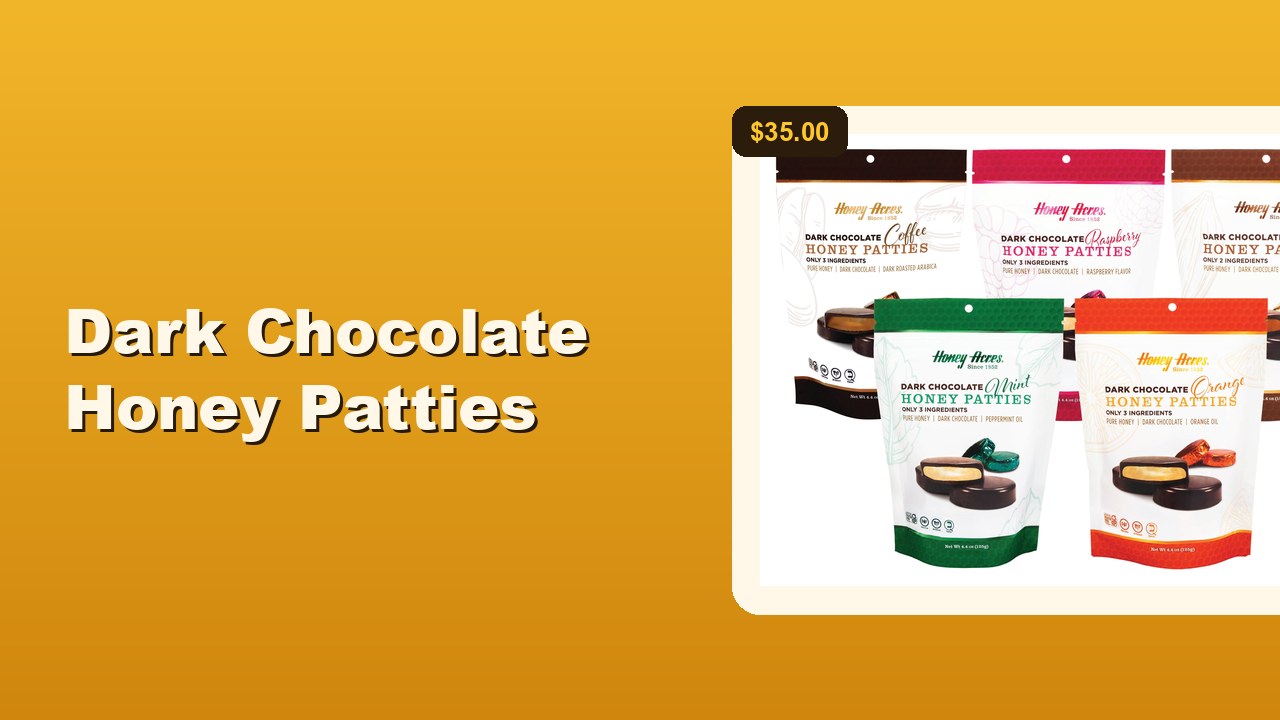
- Dark Chocolate Honey Patties™ – a 90-year-old recipe of just three raw ingredients, gluten-free, dairy-free, soy-free, and kosher. The Variety Pack runs $35.00.
- Honey Straws – 50-count packs for $10.00, perfect for lunchboxes and tea.
- Honey mustard (hot and dill) at $6.50, honey-sweetened lozenges, propolis spray, and manuka caramels.
A brand that makes a single great clover honey might be lucky. A brand that makes a coherent range of raw varietals plus 90-year-old confections is one that actually understands its raw material.
How to Buy and Store Raw Honey
A few practical notes so your best raw honey stays that way:
- Buy by varietal, not by size first. Start with small jars across two or three varietals, find your favorites, then size up.
- Expect crystallization. It’s normal and reversible – sit the jar in warm (not boiling) water. Never microwave raw honey if you want to keep it raw.
- Store at room temperature, lid closed, away from direct sun. Honey is one of the few foods that essentially never spoils.
- Don’t give honey to infants under 12 months – this is the one firm safety rule with any raw honey.
- Mind the shipping. Honey Acres offers free shipping on orders over $65, and ships its chocolate items early in the week so they don’t melt in transit.
How to Actually Use Each Raw Honey
Buying the best raw honey is only half the win – matching the varietal to the job is where it pays off. A few field-tested pairings:
- Raw clover in tea and coffee, drizzled over Greek yogurt, or whisked into a basic vinaigrette. Its mildness means it sweetens without hijacking the dish.
- Raw buckwheat brushed onto roast chicken or pork in the last few minutes, stirred into a barbecue glaze, or spread on dark rye with sharp cheddar. It can also stand in for molasses in gingerbread.
- Basswood and orange blossom are the “finishing” honeys – drizzle them raw over a cheese board, burrata, or fresh ricotta where their delicate aromatics won’t be cooked away.
- Honey straws for portion control: one straw is roughly a teaspoon, ideal for lunchboxes, hot tea on the go, or a measured hit of sweetness without a sticky jar.
A simple rule: cook with the bold honeys, finish with the delicate ones, and never waste a raw, aromatic varietal by boiling it – heat flattens exactly the flavors you paid extra for.
Raw Honey vs. the Manuka Hype
A quick word on the honey everyone asks about. Manuka honey gets marketed as a premium wellness product at premium prices, and while it has genuine antibacterial properties, most people buying it for daily toast-and-tea use are overpaying for a flavor they don’t even prefer. For everyday eating, a raw domestic varietal like clover or buckwheat delivers better taste, real pollen, and a fraction of the cost. Save the splurge for when you specifically want manuka’s properties – and use a great raw clover for everything else.
If you want to go deeper before buying, two companion reads help. Our full Honey Acres review tests the brand’s value against artisan competitors, and if you’re worried about fakes, here’s how to spot real honey before you ever open your wallet.
FAQ: The Best Raw Honey in 2026
What is the best raw honey to buy?
For everyday use, a raw clover honey like Honey Acres Clover is the best all-rounder – mild, versatile, and inexpensive. For bold flavor and traditional cold-season use, raw buckwheat honey is the top pick. The “best” honey ultimately depends on whether you want light and clean or dark and robust.
Is raw honey better than regular honey?
Raw honey retains pollen, natural enzymes, and aromatic compounds that pasteurization and fine filtration strip out of standard supermarket honey. It also carries true varietal flavor. Nutritionally and in taste, raw and unfiltered is the better choice.
Why does my raw honey turn solid?
Crystallization is natural and is actually a sign honey hasn’t been heavily processed. Warm the jar gently in hot water to return it to liquid – avoid the microwave, which can overheat and degrade raw honey.
Is darker honey healthier than light honey?
Darker varietals like buckwheat generally contain higher levels of antioxidants and have a stronger flavor, which is why they’re favored as folk remedies. Lighter varietals like clover are milder and more versatile but lower in those compounds.
How long does raw honey last?
Stored sealed at room temperature, raw honey lasts essentially indefinitely. Crystallization may occur, but it doesn’t mean the honey has gone bad.
Can babies eat raw honey?
No. Honey of any kind, raw or processed, should never be given to children under 12 months due to the risk of infant botulism.