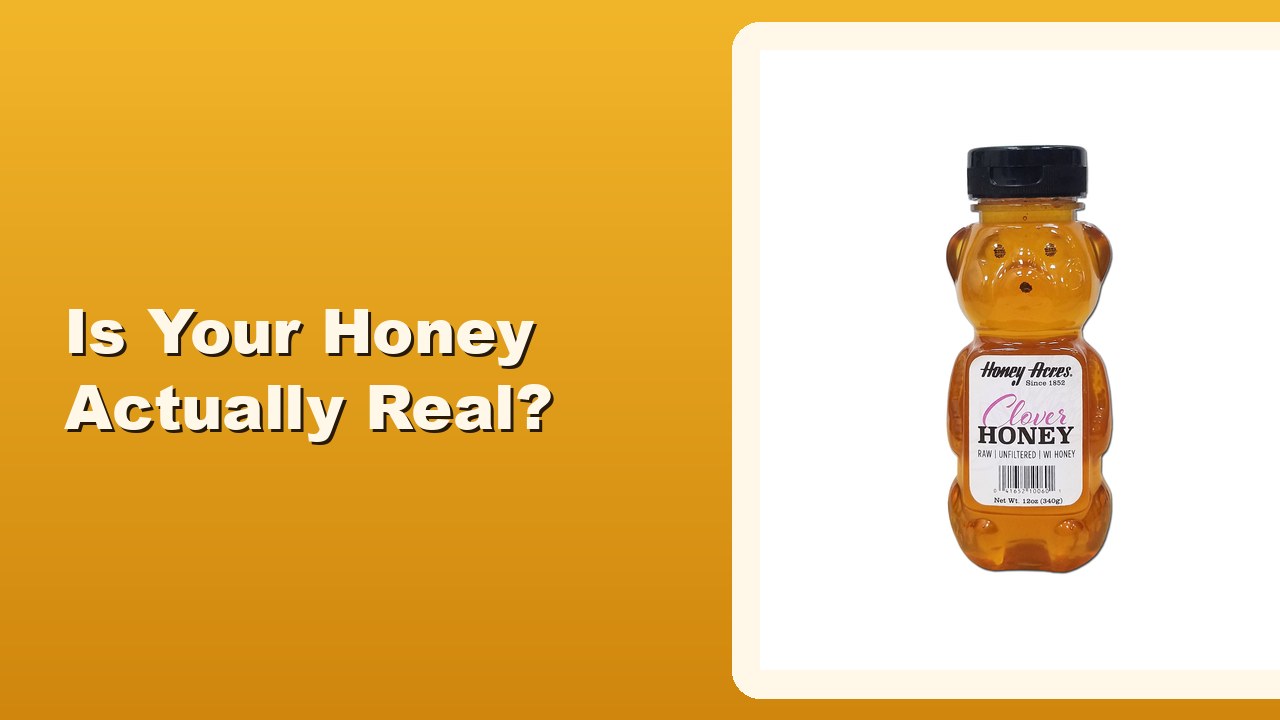
Knowing how to spot real honey has never mattered more. Honey is one of the most adulterated foods on the planet – routinely cut with rice or corn syrup, ultra-filtered until no traceable pollen remains, or heated so heavily that it’s closer to flavored sugar water than something a bee made. The frustrating part is that a fake jar and a real one can look identical on the shelf. This guide gives you the label checks and simple kitchen tests that actually separate genuine raw honey from the imposters – so your money goes to the real thing.
We’ll start with what to read before you buy, then cover the at-home tests, and finish with the easiest shortcut of all: buying from a beekeeper that has nothing to hide.
How to Spot Real Honey: Start With the Label
Most fakes are caught before you ever open the jar. Before any kitchen test, read the label like a skeptic.
1. Look for “raw” and “unfiltered.”
Real honey is strained, not fine-filtered. Fine filtration removes the pollen – and pollen is the fingerprint that proves where honey came from. “Raw” and “unfiltered” on the label is the first green flag.
2. Demand a single flower source.
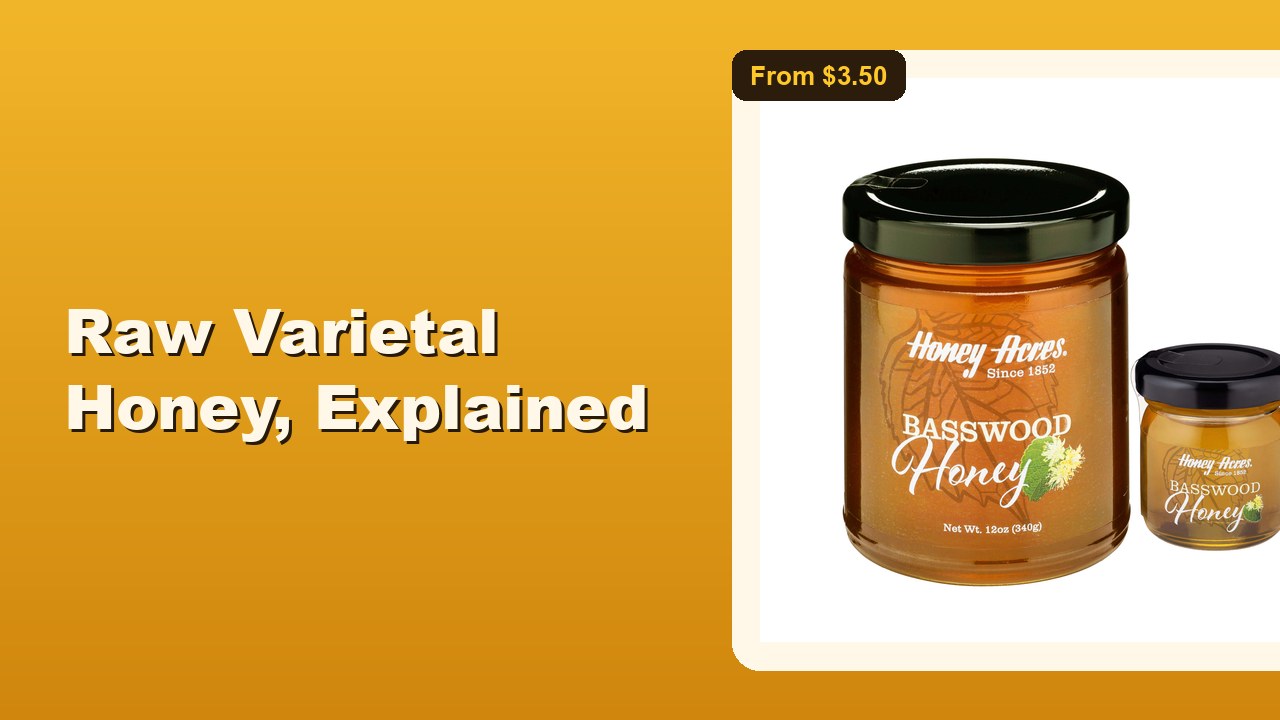
A jar that just says “honey” tells you nothing. A jar that says clover, buckwheat, basswood, or orange blossom is making a specific, checkable claim. Varietal labeling is something adulterators avoid because it invites scrutiny.
3. Read the ingredient list – it should say one word.
Real honey’s ingredient list is: honey. If you see “corn syrup,” “rice syrup,” “glucose,” or “added sugars,” it’s a blend, not pure honey.
4. Find the beekeeper.
Anonymous honey from an unnamed “packed in” address is the highest-risk category. A named apiary with a real location – say, a 90-year Wisconsin operation with its own facility – is staking its reputation on every jar. The provenance is the proof.
How to Spot Real Honey: 3 Kitchen Tests
The label gets you most of the way. These quick tests catch the rest. None are lab-grade, but together they’re a strong signal.
| Test | Real Raw Honey | Fake / Adulterated |
|---|---|---|
| Crystallization over time | Granulates naturally | Stays syrupy forever |
| The water test | Settles in a clump, slow to dissolve | Disperses/dissolves fast |
| The thumb test | Stays put, beads up | Spreads and runs thin |
The crystallization clue. This is the big one, and it’s the opposite of what most people assume. Real raw honey crystallizes over weeks or months – that grainy, semi-solid texture is a sign it hasn’t been heavily processed. Honey engineered to stay perfectly clear and pourable forever has usually been heated and filtered to prevent exactly that. Don’t fear granulation; suspect its absence.
The water test. Add a tablespoon of honey to a glass of water without stirring. Real, thick raw honey tends to sink and sit at the bottom in a lump before slowly dissolving. Sugar-syrup-cut honey is thinner and disperses or dissolves much faster.
The thumb test. Put a small drop on your thumb. Real honey is viscous – it stays beaded and doesn’t immediately run or spread. Watery honey that spreads fast is a red flag for added syrup.
A note of honesty: these home tests are indicators, not certainties – humidity and varietal change behavior. The label checks above are more reliable than any single kitchen test. Use them together.
Why Raw, Varietal Honey Is Almost Impossible to Fake Well
The deeper reason these tests work is flavor. Adulterated honey can fake color and thickness, but it can’t fake the personality of a true varietal.
Real raw clover honey is light and clean. Real raw buckwheat honey is dark, malty, and almost savory – nothing like the flat sweetness of syrup-cut grocery honey. Tasting a genuine varietal next to a suspect jar is often the fastest test of all: the fake tastes like sugar, the real one tastes like a flower. Our best raw honey guide maps those varietal flavors in detail.
This is also why single-varietal lineups are a trust signal. A brand bottling five distinct raw varietals from its own hives is exposing itself to a taste test on every jar.
Where Fake Honey Hides
Knowing how to spot real honey also means knowing where the fakes cluster. A few patterns worth a raised eyebrow:
- Suspiciously cheap “honey” in giant jugs. Genuine raw honey has a floor price – bees and beekeepers cost money. Bulk honey priced well below everything else is the classic profile for syrup-cut product.
- “Honey blend” or “honey product” wording. These phrases are legal escape hatches that let a jar contain added sweeteners. Pure honey doesn’t need a qualifier.
- Crystal-clear honey that never sets. Heavily processed honey is engineered to stay liquid and pretty on a shelf indefinitely. Real raw honey grants you the “flaw” of natural crystallization.
- No origin, no varietal, no name. If a label can’t tell you what flower the honey came from or who kept the bees, it’s hoping you won’t ask.
The throughline: adulteration thrives on anonymity and processing. The more a honey is willing to specify – flower, beekeeper, location, “raw,” “unfiltered” – the harder it is to fake. When in doubt, treat vagueness itself as the warning sign: a jar that won’t commit to a single flower source, a named producer, or a one-word ingredient list is a jar quietly asking you not to look too closely, and that hesitation tells you everything you need to know before you spend a cent.
A Word on Honey Myths
Two persistent myths trip people up. First, the “honey that doesn’t crystallize is purer” belief – it’s backwards, as covered above; crystallization is a good sign. Second, the idea that color alone tells you quality. Color signals varietal, not authenticity: clover is naturally light and buckwheat is naturally dark, and both can be perfectly real or perfectly fake. Judge by label, source, and texture – not by how golden the jar looks under store lights.
The Shortcut: Buy From a Beekeeper That Shows Its Work
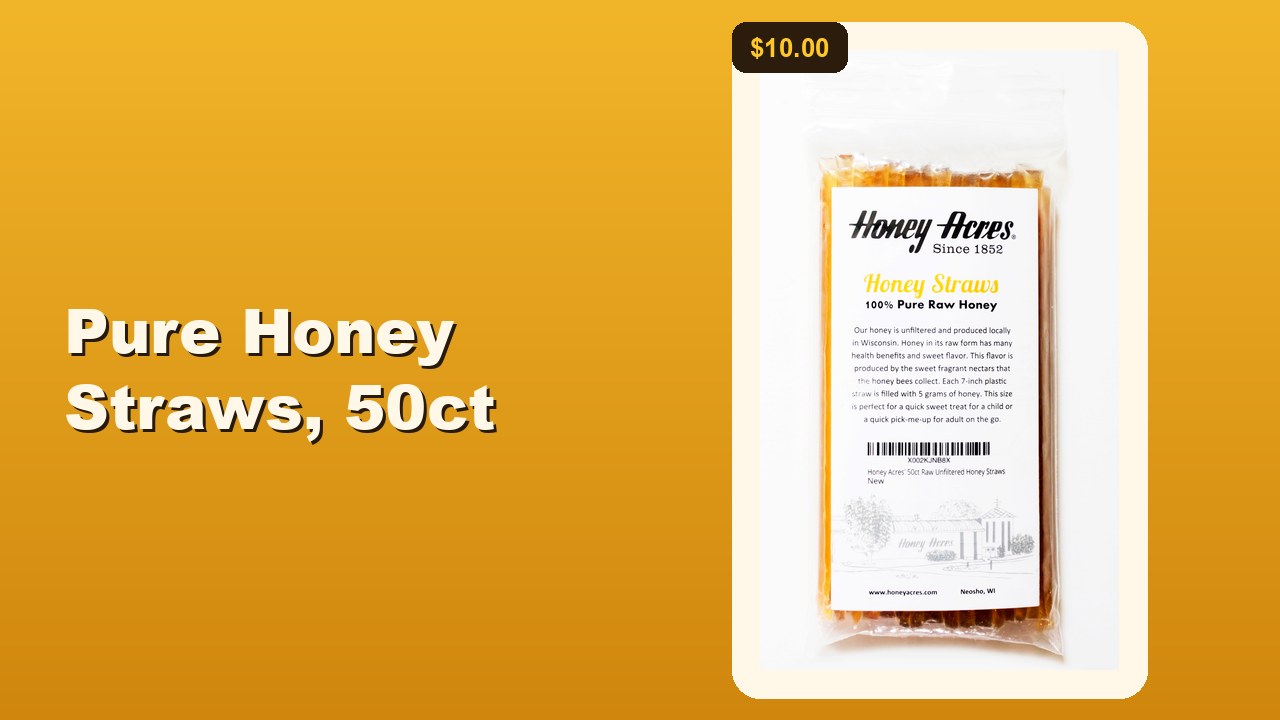
The simplest way to never worry about how to spot real honey is to buy from a source whose entire identity is built on it. Honey Acres is a useful example of what “nothing to hide” looks like:
- Over 90 years keeping bees in southeastern Wisconsin
- A 40,000-square-foot facility and an on-site “World Famous Honey Museum”
- Raw varietal honey clearly labeled by flower – clover, buckwheat, basswood, orange blossom, wildflower
- Clover jars labeled Since 1852
- Single-ingredient honey, sold in everything from a 2oz Baby BEAR ($3.35) to a 5lb squeeze bottle ($30)
When the beekeeper is named, the location is real, the varietal is specified, and the ingredient list is one word, you’ve cleared every box on the checklist before you even run a kitchen test.
Shop raw, single-varietal Honey Acres honey
For a full breakdown of the brand’s lineup and pricing, see our Honey Acres review.
Quick Reference: How to Spot Real Honey
- Label says raw and unfiltered
- Names a single flower source
- Ingredient list is just honey – no syrups
- A named beekeeper with a real location
- Crystallizes over time (a good sign, not a bad one)
- Sinks in water before slowly dissolving
- Beads on your thumb instead of running thin
FAQ: How to Spot Real Honey
How can I tell if my honey is real or fake?
Check the label first: it should say “raw,” name a single flower source, and list only honey as an ingredient. Then test it – real honey crystallizes over time, sinks in water before dissolving, and beads on your thumb. Fake or syrup-cut honey stays clear forever, disperses fast in water, and runs thin.
Does real honey crystallize?
Yes – and it’s a good sign. Crystallization means honey hasn’t been heavily heated or filtered. Warm the jar gently in hot water to liquefy it again. Honey that never crystallizes has often been processed to prevent it.
Is the water test for honey reliable?
It’s a helpful indicator, not proof. Real thick honey tends to settle at the bottom of a water glass and dissolve slowly, while syrup-cut honey disperses quickly. Use it alongside label checks rather than on its own.
What does “raw” honey actually mean?
Raw honey is strained to remove wax but never pasteurized or fine-filtered, so it keeps its natural pollen, enzymes, and varietal flavor. It’s the opposite of the ultra-processed honey common in supermarkets.
Why is buckwheat honey so dark?
Buckwheat is a naturally dark, robust varietal high in antioxidants. Its molasses-like color and bold flavor make it nearly impossible to imitate with sugar syrup – which is part of why dark varietals are a good test of authenticity.
Is more expensive honey always more real?
Not necessarily. Price isn’t proof – a named beekeeper, raw and unfiltered labeling, single-varietal sourcing, and a one-word ingredient list matter far more than cost. Genuine raw honey can be very reasonably priced when bought direct.