Open Door Tea Review: Loose-Leaf Blends and Teaware From a Connecticut Tearoom
Is Open Door Tea's loose-leaf selection, teaware, and gift boxes worth ordering online? We break down the Stratford, Connecticut tearoom's core tea lineup, teaware, and what to check before you buy.
What is Open Door Tea
If you have landed on this Open Door Tea review, you are probably deciding whether an independent Connecticut tearoom's loose-leaf blends, teaware, and gift boxes are worth ordering online. Open Door Tea sells whole-leaf black, green, oolong, white, and herbal teas alongside infusers, teapots, and tea-paired treats — this guide breaks down what stands out, who it fits, and what to check before you buy.
- Open Door Tea is an independent, brick-and-mortar tearoom in Stratford, Connecticut, not just an online seller.
- The catalog spans black, green, oolong, white, pu-erh, rooibos, tulsi, and specialty blends, plus infusers, teapots, and Yixing pots.
- Strawberry Hibiscus is the brand's most-reviewed blend, with a strong customer track record.
- Beyond retail tea, the business runs high tea reservations, private events, and virtual tastings.
A strong pick for readers who want real loose-leaf tea and teaware from an independent tearoom, not a mass-market bagged brand.
Open Door Tea suits shoppers who want a curated, education-forward loose-leaf selection rather than supermarket bagged tea, and who are comfortable ordering teaware sight-unseen from an independent retailer.
Shop Open Door TeaWhat is Open Door Tea
Open Door Tea operates as an independent, brick-and-mortar tearoom located on Main Street in Stratford, Connecticut. Beyond retail loose-leaf tea sales, the business offers experiential services including high tea reservations, private event hosting in "The Oasis Room," virtual tea tastings, and corporate gifting programs. That multi-channel model — retail plus in-person experience — is what separates Open Door Tea from a purely online loose-leaf shop, and it shows up in how the catalog is organized: everyday drinking teas, specialty single-origin blends, teaware, and tea-paired snacks like honey and chocolate.
For anyone comparing Open Door Tea against big-box grocery tea aisles, the distinction matters: this is a specialty retailer built around loose-leaf education and a physical tearoom experience, not a mass-produced bagged-tea line.
Why loose-leaf tea tastes different
The short answer: leaf size and oxidation. Loose-leaf teas are typically made from whole or large tea leaves, whereas bagged teas often contain broken leaves or dust particles — whole leaves stay intact during steeping and release more complex flavor compounds and oils over time, while broken fragments in tea bags steep faster and can release tannins more quickly, sometimes producing a flatter or more astringent taste. That structural difference is the main reason a loose-leaf Open Door Tea blend can taste noticeably rounder than a supermarket tea bag of the same variety.
Oxidation level is the second variable. All true teas — black, green, white, oolong, and pu-erh — derive from the same plant species, Camellia sinensis, but differ in oxidation level. White and green teas undergo minimal to no oxidation and retain a lighter color and fresher taste. Oolong tea is partially oxidized, creating a flavor profile between green and black teas. Black tea and pu-erh tea are fully oxidized or fermented, producing darker liquor and deeper, more robust flavors. Open Door Tea's catalog spans this entire spectrum, from lightly oxidized white and green teas to fully oxidized black blends like English Breakfast.
Loose-leaf quality also pays off over multiple cups. A key advantage of high-quality loose-leaf teas is their ability to be re-steeped — oolong and pu-erh teas, both partially to fully oxidized, can retain their flavor profile through as many as 10 or more steepings, while premium green, white, and black loose-leaf teas typically deliver optimal flavor for two to three re-steepings. That means an oolong like Da Hong Pao can stretch across several brewing sessions from a single measure of leaves.
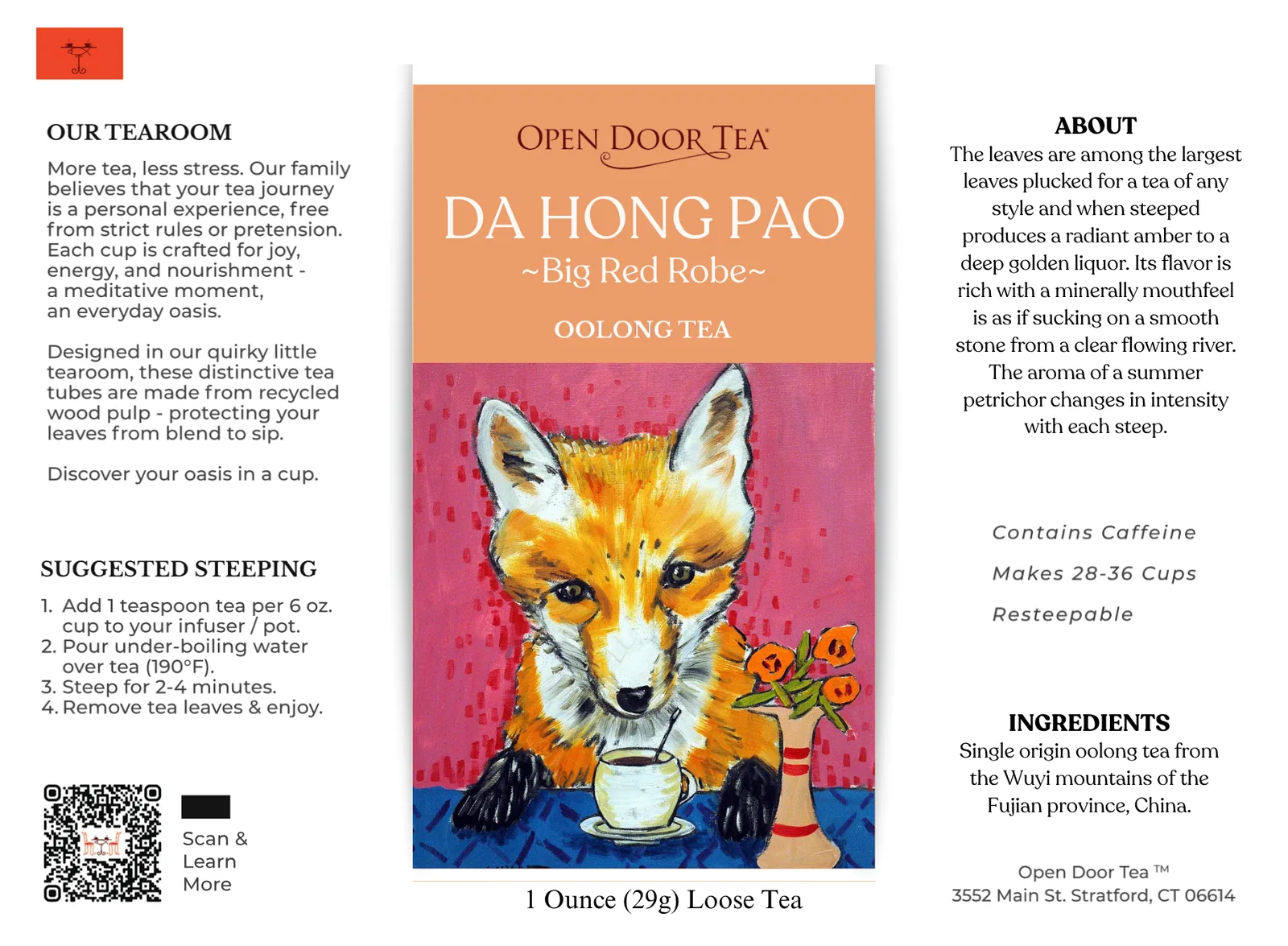
Open Door Tea Da Hong Pao
A partially oxidized Wuyi Mountain oolong with mineral and roasted-nut notes, well suited to re-steeping across a full session.
View Product DetailsHow to brew Open Door Tea properly
Getting the most out of any Open Door Tea loose-leaf blend comes down to matching gear and timing to the tea type, not just pouring hot water over leaves.
- Measure loose leaves, not teaspoons of dust. Loose-leaf whole leaves take up more volume than bagged fragments, so follow the package's gram or teaspoon guidance rather than eyeballing it against bagged tea habits.
- Match water temperature to oxidation level. Lightly oxidized white and green teas scald easily at boiling temperatures, while fully oxidized black and pu-erh teas need near-boiling water to open up.
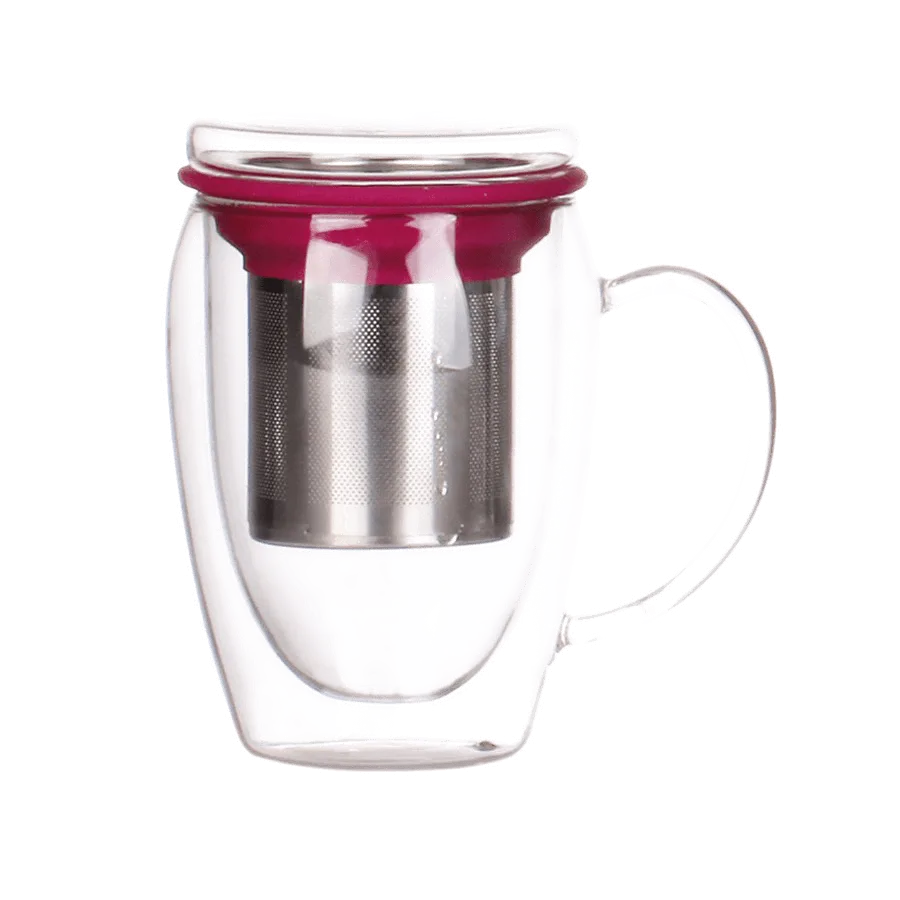
- Use an infuser or steeper sized for full leaf expansion. Tea infusers and strainers are designed to hold leaves while steeping in hot water and allow full leaf expansion while keeping particles contained; teapots — available in ceramic, glass, and stainless steel — are ideal for brewing multiple cups, and specialty teapots with built-in infuser compartments allow both steeping and serving in a single vessel. A cramped infuser restricts the leaf unfurling that loose-leaf tea depends on.
- Time the steep, then re-steep. Pull the leaves at the recommended time for the first cup, then follow the re-steeping guidance above for a second or third infusion rather than discarding the leaves after one pour.
Open Door Tea's core lineup
The lineup below covers the blends with the most publicly documented customer feedback and the clearest use-case fit, based on Open Door Tea's own catalog.
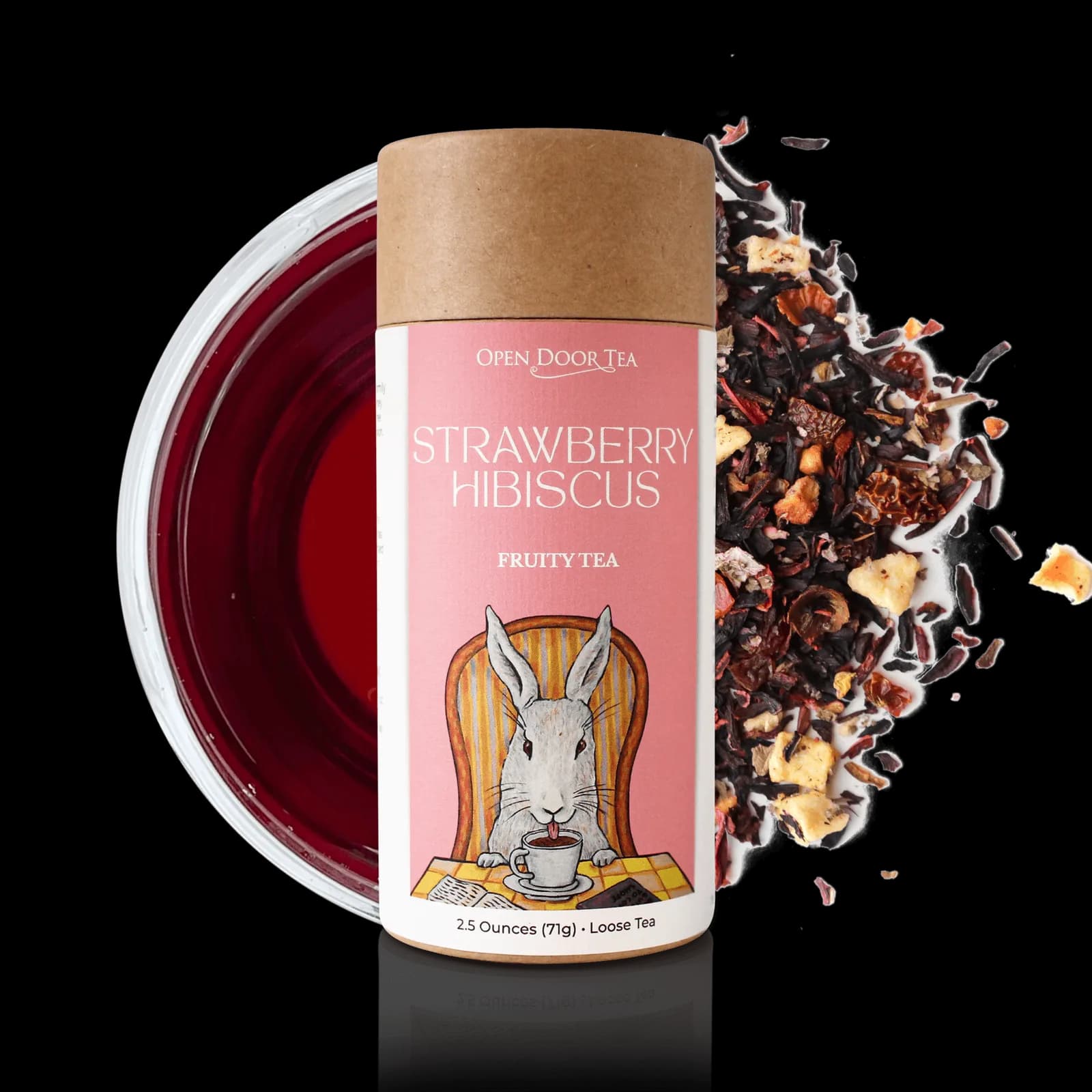
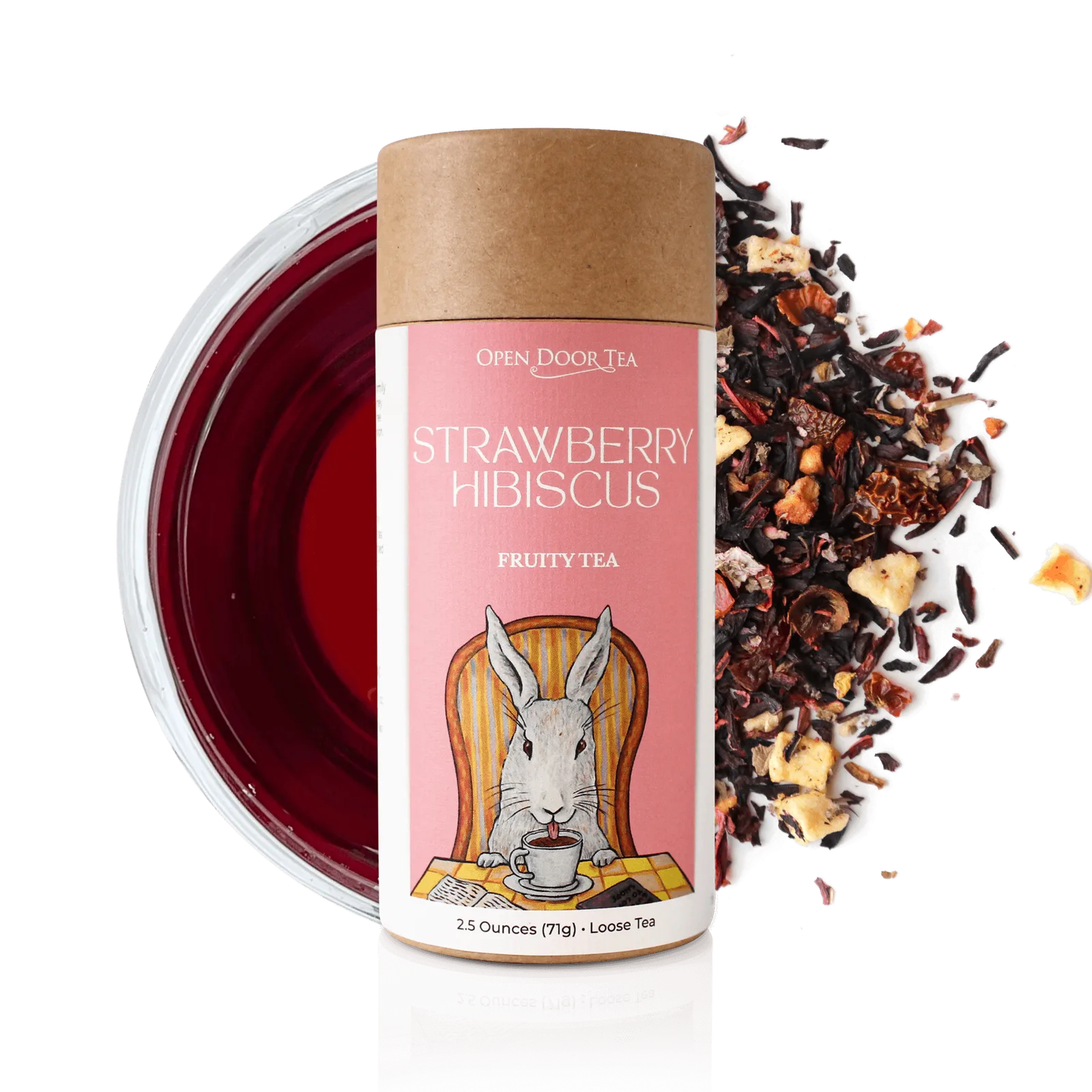
Strawberry Hibiscus
What We Like
- The most-reviewed blend in the catalog, a signal of consistent repeat purchases
- Fruit-forward profile that works well cold-brewed for warm-weather drinking
What to Consider
- Caffeine-free herbal blend, so it will not substitute for a morning black tea
Strawberry Hibiscus is Open Door Tea's specialty iced-tea entry point, and its review count is the highest of any blend the brand publicly lists, making it a reasonable first order for readers unsure where to start.
English Breakfast
What We Like
- A dependable, classic fully-oxidized profile for daily drinking
- Demonstrates the brand's strength in foundational blends, not just specialty ones
What to Consider
- Fewer published reviews than the brand's specialty iced teas, so feedback volume is thinner
If you want a straightforward loose-leaf black tea rather than a flavored specialty blend, English Breakfast is the most conventional entry point in the lineup.
Butterfly Pea Flower
What We Like
- Sits outside the classic black/green/oolong spectrum, good for variety
- A visually distinctive pour that works well for guests or gifting
What to Consider
- As a herbal, it won't deliver the caffeine or re-steeping depth of a true tea
Butterfly Pea Flower represents the brand's non-traditional category alongside its black, oolong, and other classic types, and it is a solid gift-box addition for readers who already drink caffeinated tea daily.
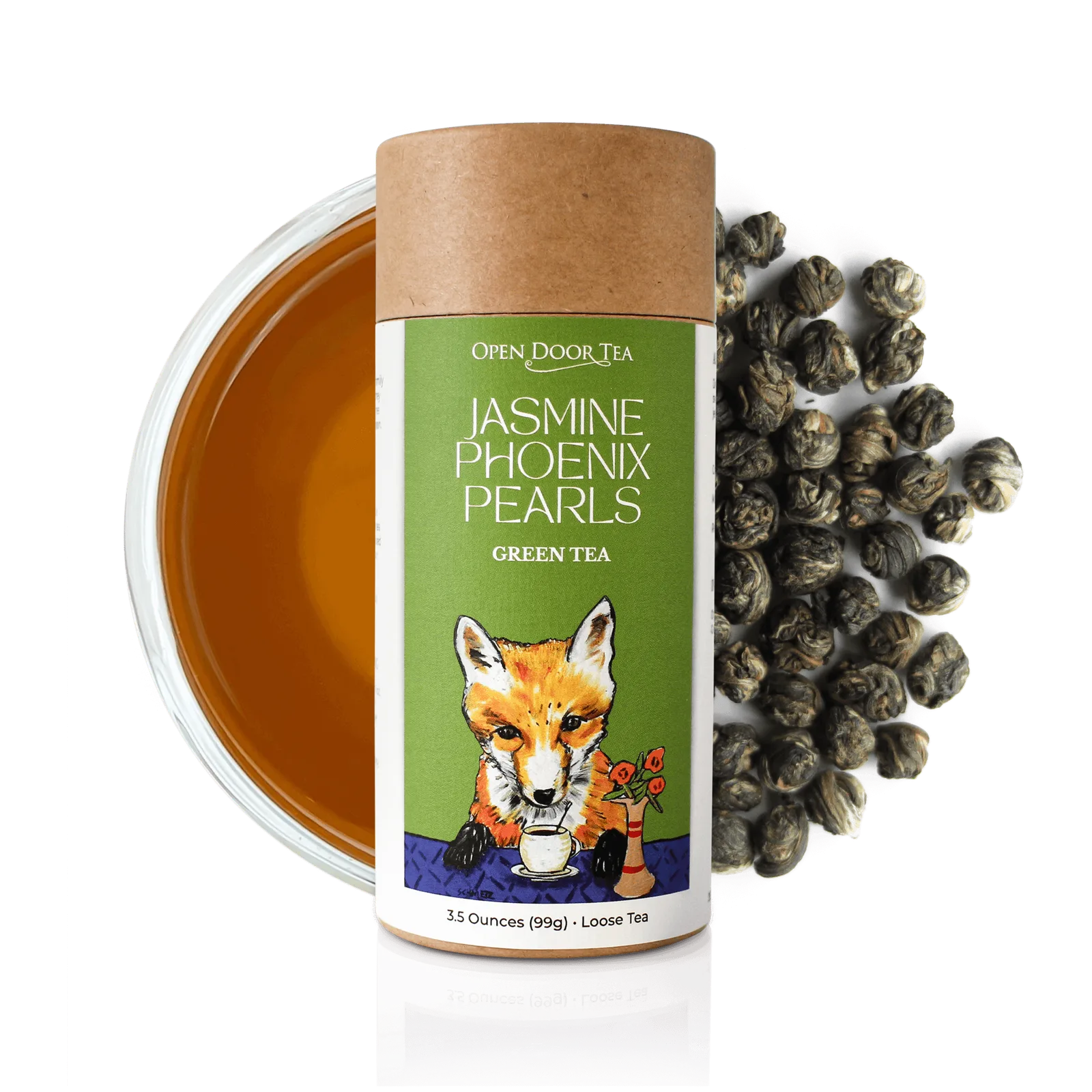
Jasmine Phoenix Pearls
What We Like
- A traditional Chinese specialty format most grocery-aisle teas don't stock
- Floral aromatics with light green tea notes, good for a lighter afternoon cup
What to Consider
- Positioned at the premium end of the catalog, so it's a gifting or occasion pick rather than an everyday staple
Jasmine Phoenix Pearls are hand-rolled green tea beads infused with jasmine blossoms, and the visual unfurling during steeping makes this one of the more memorable options for a tea-focused gift box.
Teaware and tea-paired extras
Open Door Tea's catalog goes beyond loose-leaf bags: infusers, teapots, Yixing pots, and tea-paired snacks round out the lineup for readers building a full tea setup or assembling a gift.
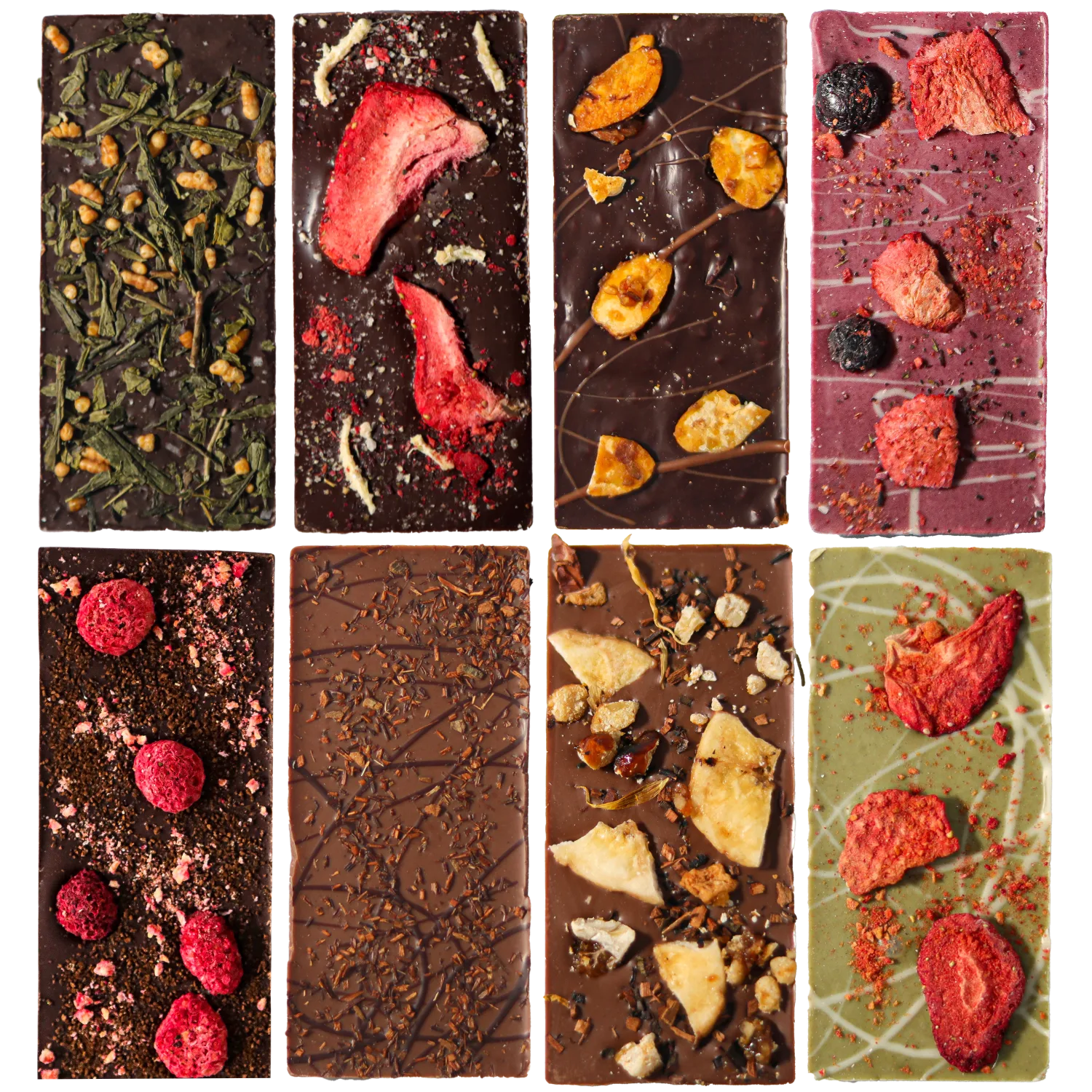
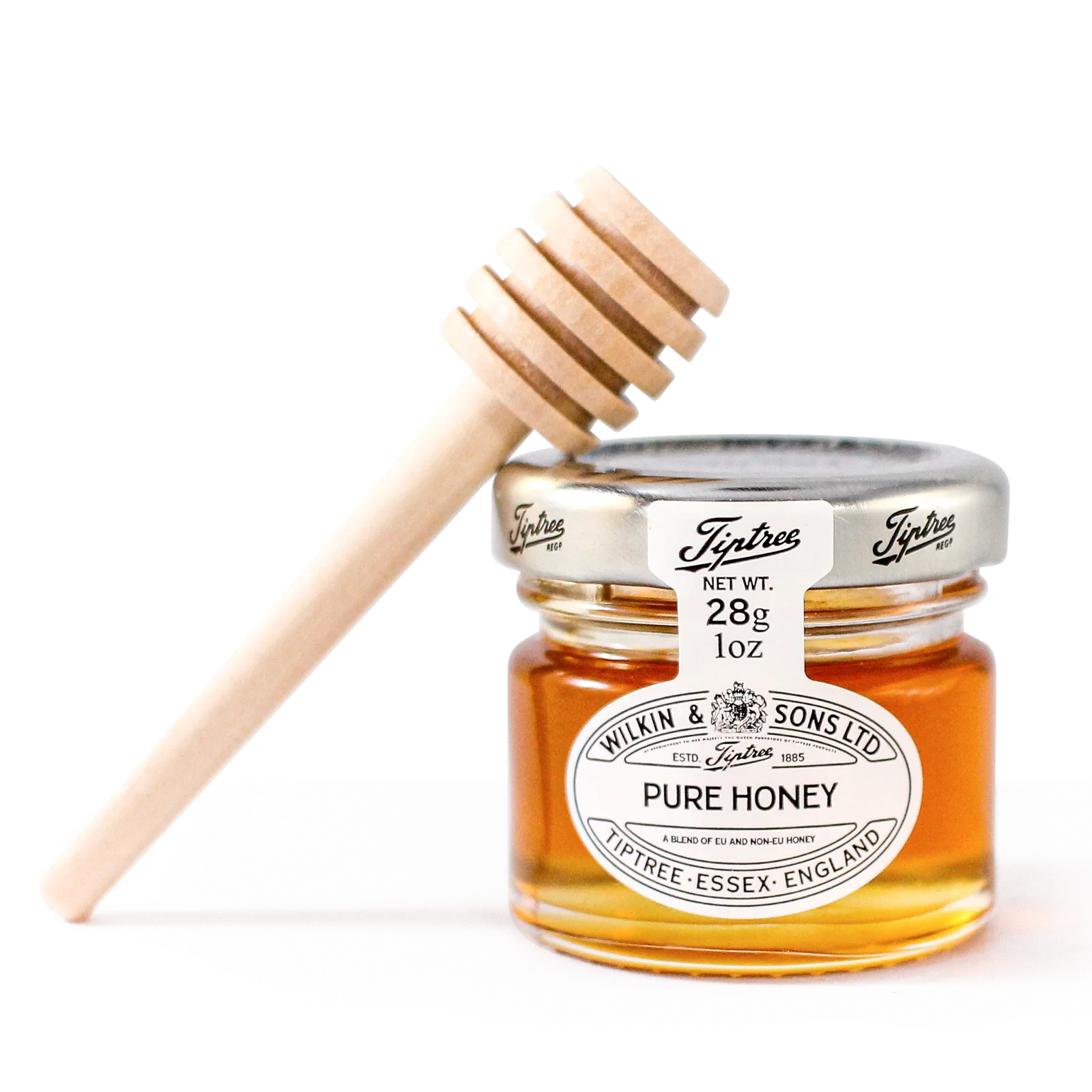
For readers who already keep a jar of raw honey on hand, our guide to spotting real honey is a useful companion read before adding Open Door Tea's Pure Wildflower Honey to a gift box.
Blend comparison at a glance
| Blend | Type / Oxidation | Best For | Customer Reviews |
|---|---|---|---|
| Strawberry Hibiscus | Fruit/floral herbal | Iced tea drinkers | 182 |
| Butterfly Pea Flower | Herbal (non-Camellia) | Variety, visual gifting | 82 |
| English Breakfast | Fully oxidized black | Everyday hot brewing | 53 |
| Peach Oolong | Partially oxidized | Between green and black profile fans | Not publicly listed |
| Da Hong Pao | Partially oxidized (premium) | Re-steeping, mineral/roasted notes | Not publicly listed |
| Jasmine Phoenix Pearls | Minimal oxidation (green) | Premium gifting | Not publicly listed |
What to look for before you order
Match oxidation to your caffeine and flavor preference
If you want a lighter, fresher cup with more caution around bitterness, lean toward white or green blends. If you want depth and robustness, fully oxidized black or pu-erh options like English Breakfast are the better starting point. Oolongs such as Peach Oolong or Da Hong Pao sit in between and reward re-steeping.
Decide if you're buying tea, teaware, or both
Open Door Tea's catalog is split between the loose-leaf blends themselves and the gear needed to brew them well — infusers, teapots, and Yixing pots. First-time loose-leaf buyers should budget for at least one properly sized infuser or teapot with a built-in strainer; steeping loose leaves in a standard mug without one will make cleanup and leaf-to-water separation harder.
Consider the gifting and event angle
Because Open Door Tea also runs high tea reservations, private event hosting, virtual tastings, and corporate gifting programs, readers assembling a gift box or corporate order have more curated options than a typical online-only tea shop offers. If a candy gift box is also on your list, the same layering logic (a hero item, a few smaller add-ons, and a cohesive theme) applies to a tea-and-honey gift set.
How We Chose
This review is based on Open Door Tea's published catalog, publicly listed customer review counts, and independent specialty-tea sourcing standards from tea education resources, not first-party lab testing or a clinical panel.
Final verdict on Open Door Tea
Open Door Tea is a solid choice for readers who want genuine loose-leaf quality and an independent tearoom's curation, rather than a mass-market bagged brand. Strawberry Hibiscus is the safest first order thanks to its review volume, English Breakfast covers the everyday-drinking use case, and Da Hong Pao is worth the step up for anyone who already re-steeps oolong. Readers who only want quick single-use tea bags for convenience, and have no interest in teaware or steeping technique, may find the loose-leaf format less convenient than a standard grocery box.
Shop Open Door Tea NowReferences
This article is an independent review based on publicly available brand information and third-party tea education sources current as of the last-reviewed date above. It is not medical, nutritional, or safety advice; caffeine and herbal ingredient tolerance vary by individual. Product availability, formulations, and review counts on the brand's site may change after publication.
Recommended for you
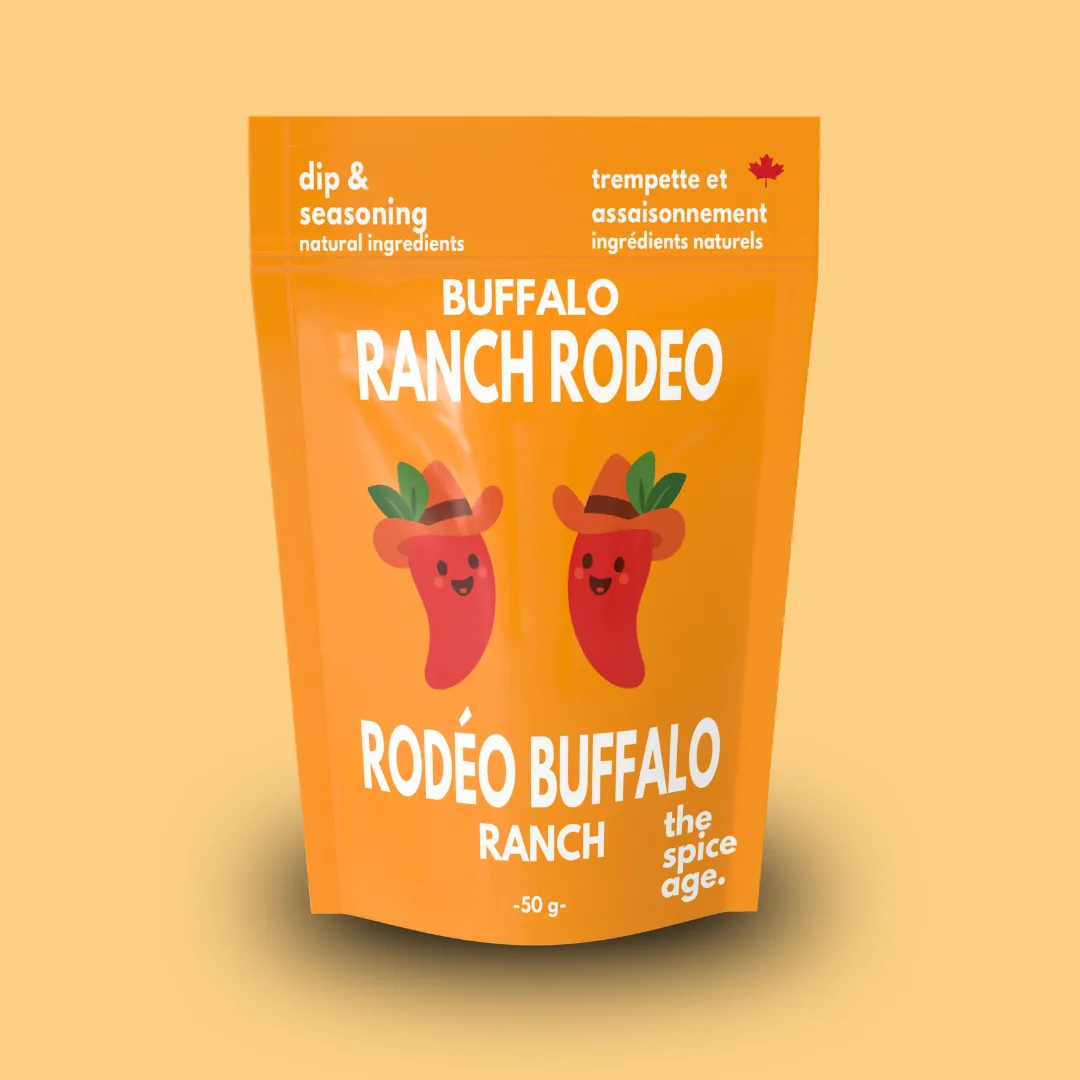 The Spice Age Review: 5 Best Clean Dip Mixes (2026 CAD Guide)
 Prodough Protein Snacks: Complete Brand Guide (2026)
 Liviva Foods Guide 2026: Low-Carb Shirataki Pasta & Rice
 Best Texas Pecan Products 2026: From Nut Butters to Pie
 Millican Pecan Review 2026: 135 Years of Texas Pecans Worth It?
 Millican Pecan Butter Review: Best Texas Pecan Products 2026