Liviva Foods: A Complete Guide to Low-Carb Shirataki Pasta & Rice
Liviva Foods makes low-carb shirataki pasta and konjac rice built on glucomannan fiber. Here's what the brand actually sells, how the science works, and who it fits.
What is Liviva Foods?
Liviva Foods makes low-carb, plant-based pasta and rice alternatives built around shirataki (konjac) fiber — a category that has moved from niche health-food shelves onto most major US grocery aisles as keto and low-carb eating have grown more mainstream. This guide covers what Liviva Foods actually sells, how the science behind its core ingredient works, who the products fit, and where to look next if you want a hands-on review or a specific product breakdown.
Liviva Foods is a good fit for low-carb, keto and calorie-conscious eaters looking for a near-zero-carb pasta or rice swap
Choose Liviva Foods if you want a pasta or rice swap that fits a low-carb, keto or calorie-controlled plan without giving up the format of a noodle or rice bowl. Skip it if you are simply looking for a traditional wheat-pasta texture, since shirataki has a distinct bite that takes some getting used to.
Explore Liviva Foods productsKey Highlights
- What shirataki and konjac glucomannan fiber are, and why Liviva Foods builds its entire product line around them.
- The research behind glucomannan's effect on blood sugar, cholesterol and satiety.
- Every product category Liviva Foods sells, from dried shirataki pasta to instant konjac rice.
- Who these products realistically fit — and who should manage expectations before switching.
- Where to go next for a full brand review or a deep dive on the high-protein pasta line.
What is Liviva Foods?
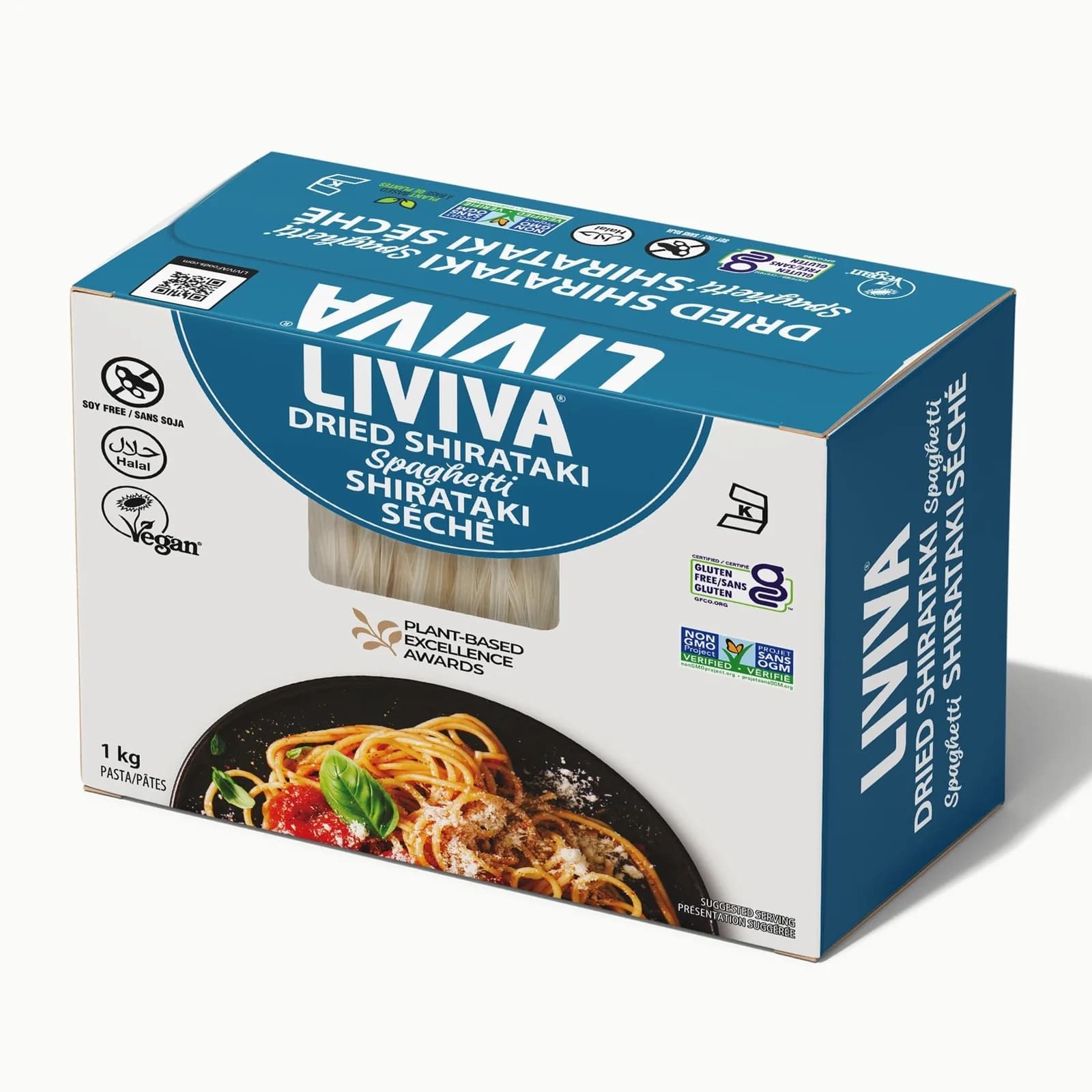
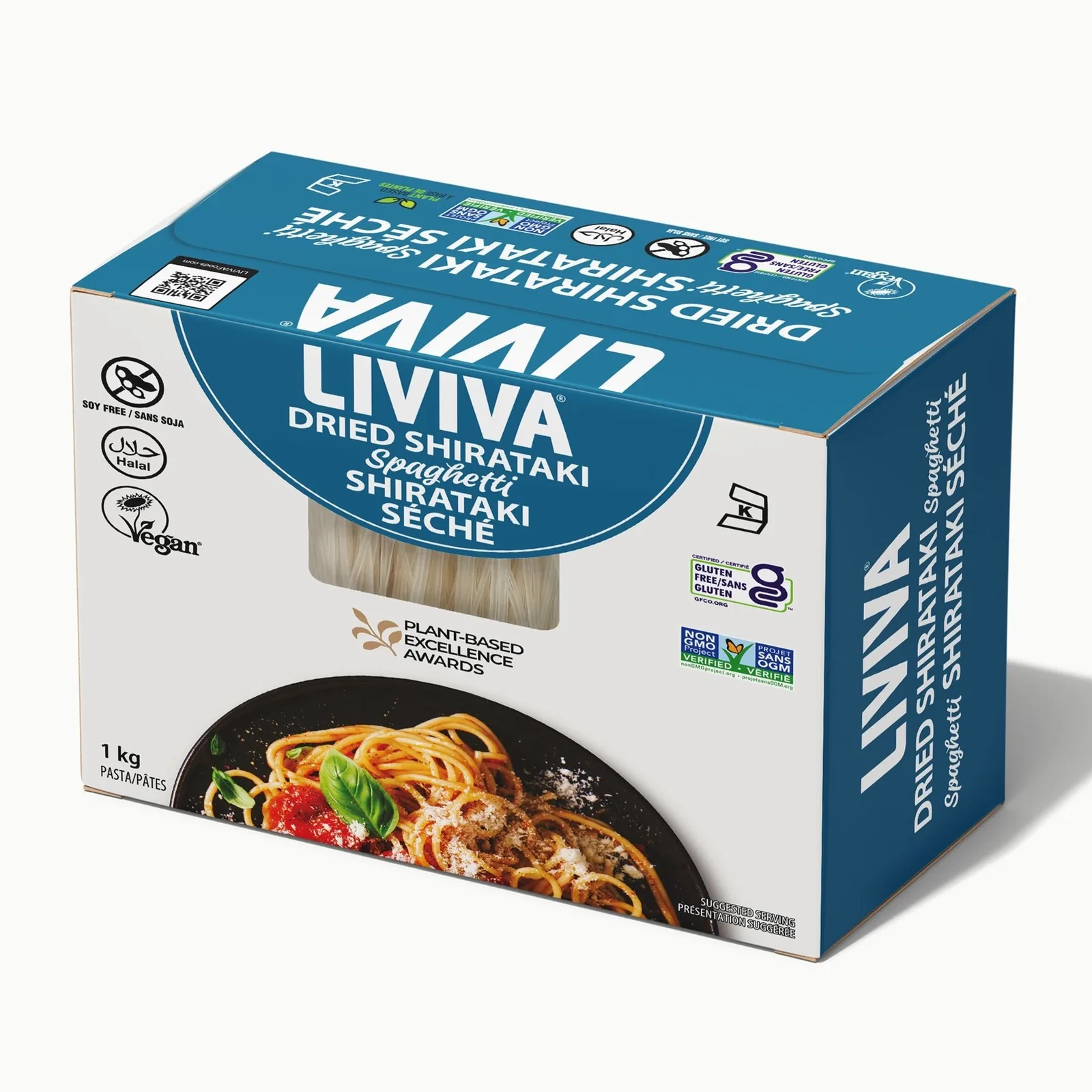
Liviva Foods is a specialty-foods brand that manufactures low-carb, plant-based pasta and rice alternatives, most of them built on dried shirataki (konjac) noodles. The lineup spans dried shirataki pasta shapes (spaghetti, noodles and fettuccine), instant shirataki rice in plain and flavored varieties like coconut and turmeric, a high-protein pasta line, and a shirataki-with-oat-fiber pasta for shoppers who want extra fiber alongside the carb reduction.
Products are sold in single 1 KG packs and in bulk 6–24 count cartons, and most cook in two to five minutes — closer to instant noodles than a boiling pot of traditional pasta.
How shirataki and glucomannan work
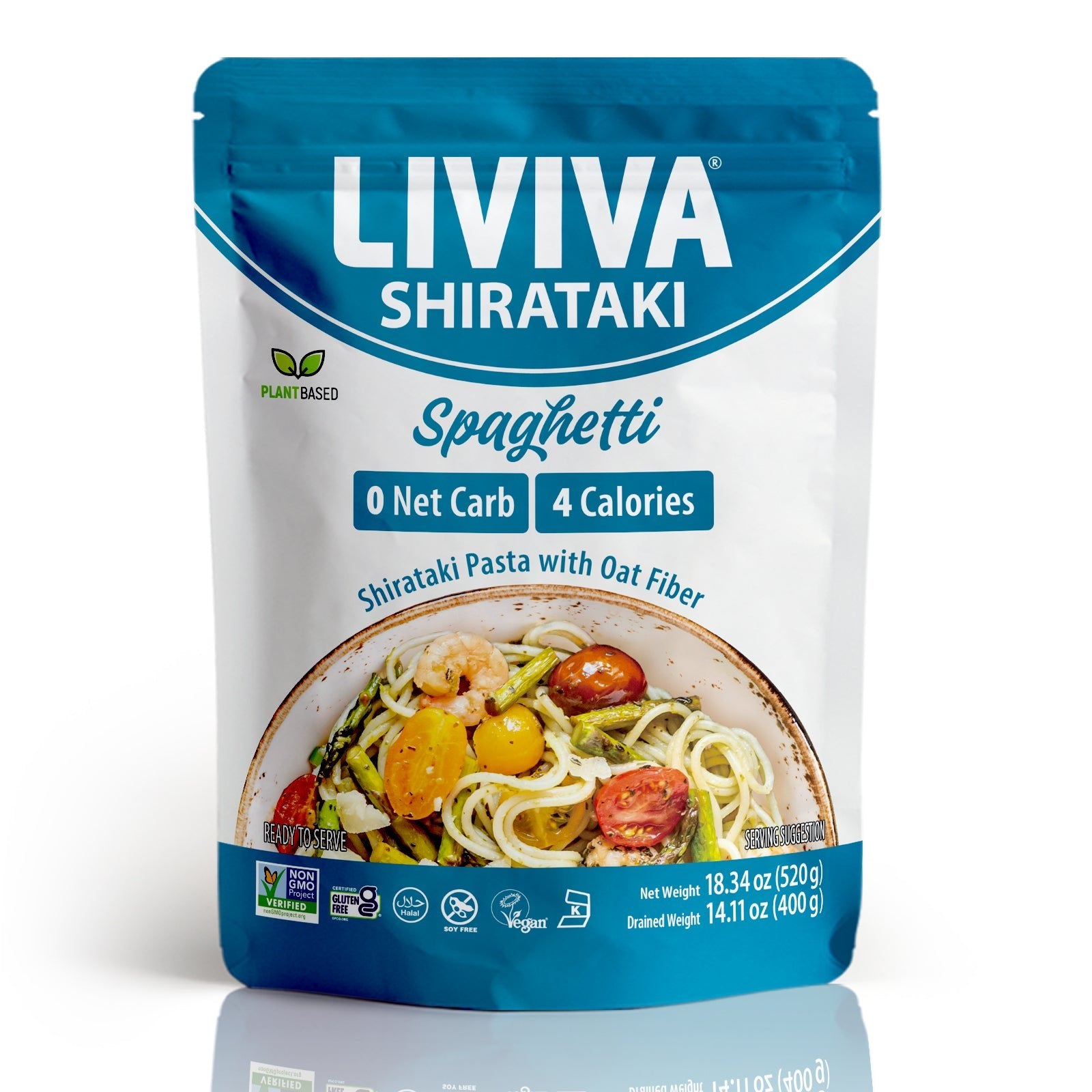
Shirataki noodles are made almost entirely of water and a soluble fiber called glucomannan, extracted from the root of the konjac plant — roughly 97% water and 3% glucomannan fiber by composition. That structure is why an 8-ounce serving of shirataki runs only about 10–20 calories with close to 0 grams of net carbohydrates, compared with roughly 200 calories and 40 grams of carbs in a cup of traditional wheat pasta. Liviva's own dried shirataki pasta is marketed at 4 calories and 0g net carbs per serving, in line with that category-wide profile.
Glucomannan itself is a well-studied soluble fiber, not a proprietary Liviva ingredient — a distinction worth understanding before you buy. Glucomannan expands in the digestive tract, and clinical research associates regular intake with meaningful reductions in body mass index, body weight and waist circumference, a mechanism tied to increased satiety rather than any stimulant or appetite-suppressant effect. The fiber's water content is also why prep technique matters more than with wheat pasta — see our guide on how to cook shirataki pasta so it doesn't taste rubbery for the full method.
Benefits and who it helps
The clearest use case for Liviva Foods is anyone actively tracking carbohydrate or calorie intake — keto followers, people managing insulin resistance, or anyone who wants a pasta or rice format without the glycemic load. A study of 278 people with diabetes found glucomannan supplementation improved glycemic control and lipid profile, pointing to therapeutic potential for insulin resistance syndrome, and a separate 2007 Mahidol University study found taking glucomannan before a glucose load significantly lowered post-meal blood sugar compared with placebo. A study published in the Journal of the American College of Nutrition reported glucomannan lowered fasting blood sugar by 23 percent.
Beyond blood sugar, research published in the American Journal of Clinical Nutrition found glucomannan fiber reduced total cholesterol by 10%, LDL ("bad") cholesterol by 7.2%, and triglycerides by 23% — suggesting a possible cardiovascular benefit when glucomannan-based foods like shirataki are part of a balanced diet. Konjac fiber also appears to act as a prebiotic, feeding beneficial gut bacteria; a healthy microbiome may help support digestive function and control inflammation. None of this makes shirataki pasta a treatment for diabetes or high cholesterol — it is a dietary tool that the research above associates with these outcomes when used as part of a broader eating pattern, not a substitute for medical care.
The Liviva Foods product range
Liviva Foods is not a single product — it is a full category of low-carb pasta and rice replacements, each engineered for a slightly different goal. The table below breaks down the main lines by format and use case rather than by specific SKU, since Liviva regularly rotates flavors within each category.
| Product line | Format | Best for |
|---|---|---|
| Dried shirataki pasta | Spaghetti, noodles, fettuccine | Classic low-carb pasta swap |
| Instant shirataki rice | Plain, coconut, turmeric | Quick low-carb rice-bowl base |
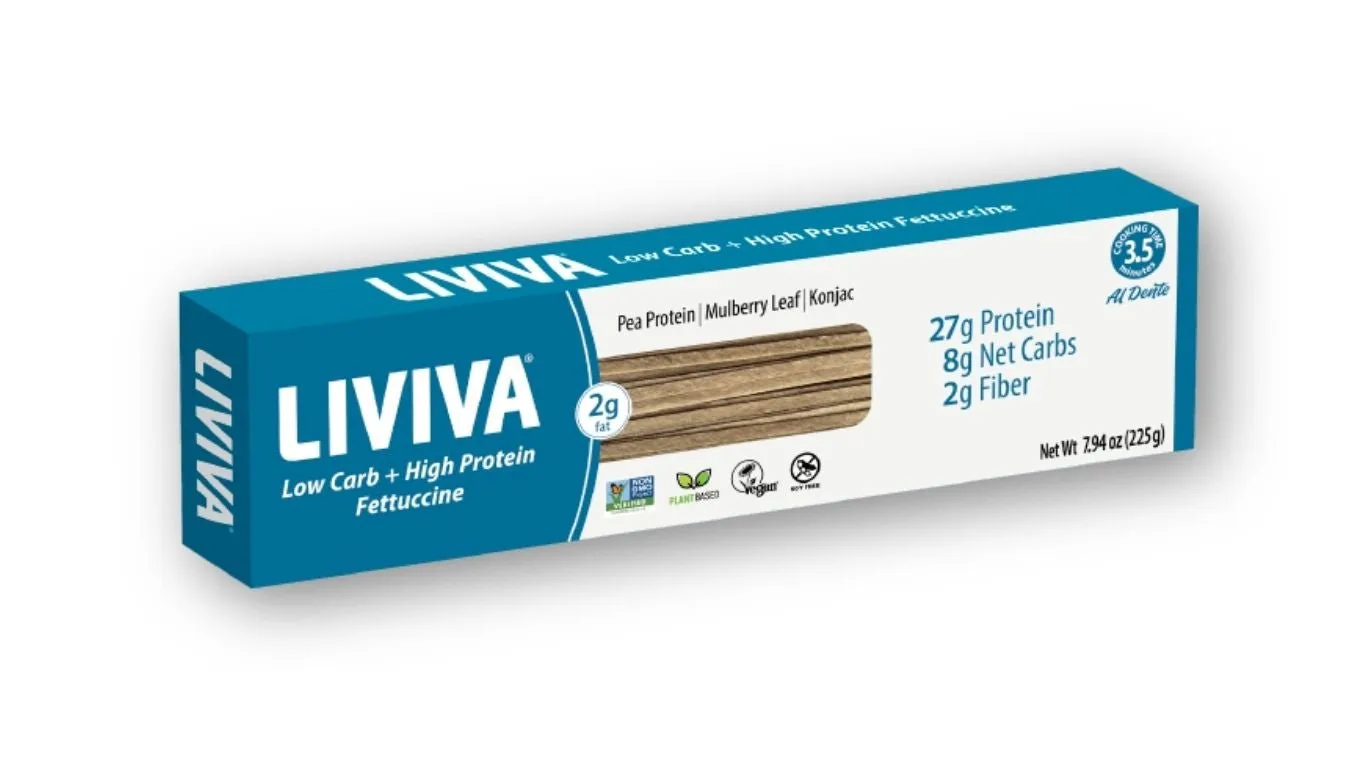
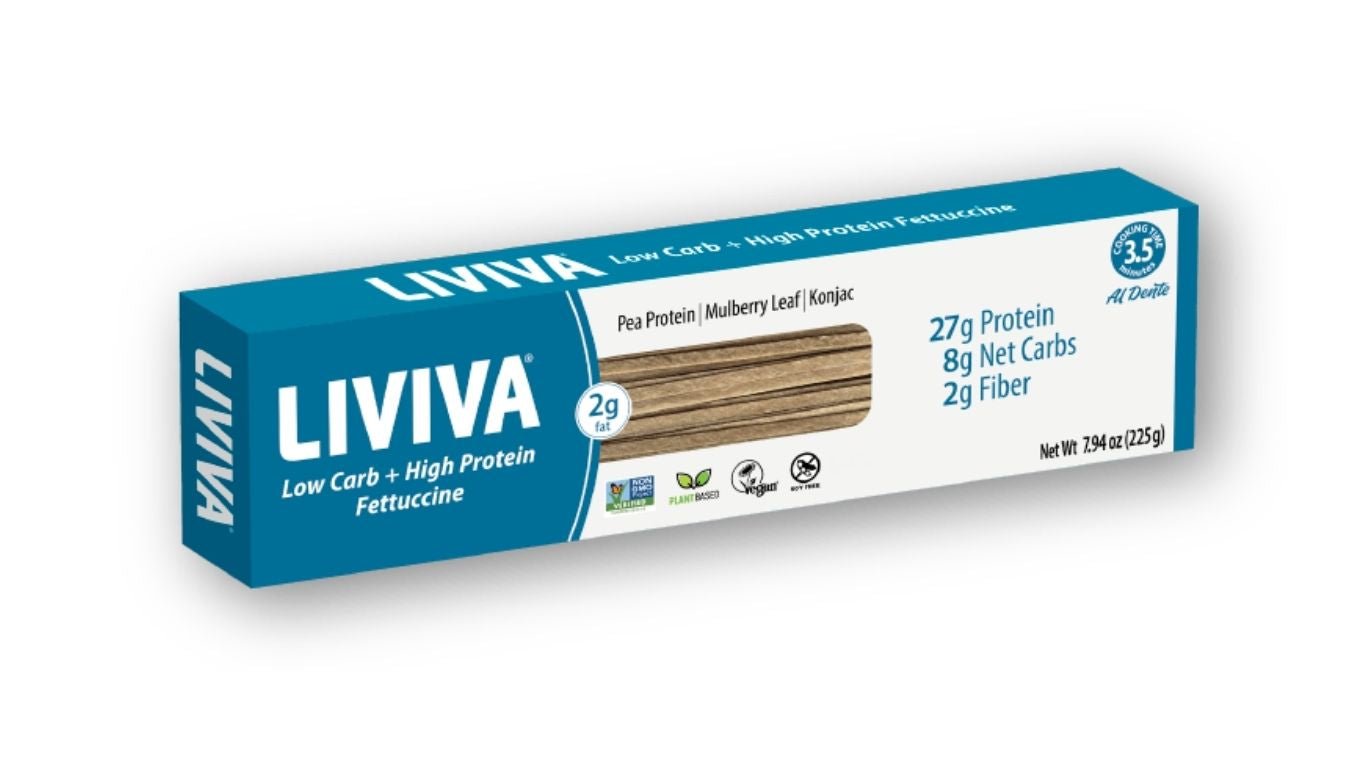
| Low-carb high-protein pasta | 27g protein per 45g serving | Carb reduction plus protein intake |
| Shirataki with oat fiber | Fiber-boosted spaghetti | Extra dietary fiber alongside low-carb |
The high-protein line stands out from a typical shirataki pasta: it is positioned at 27g protein per 45g serving and 135g protein per box, aimed at shoppers who want both carb reduction and a meaningful protein boost in the same bowl. For a closer look at that specific line, see our high-protein shirataki pasta breakdown.
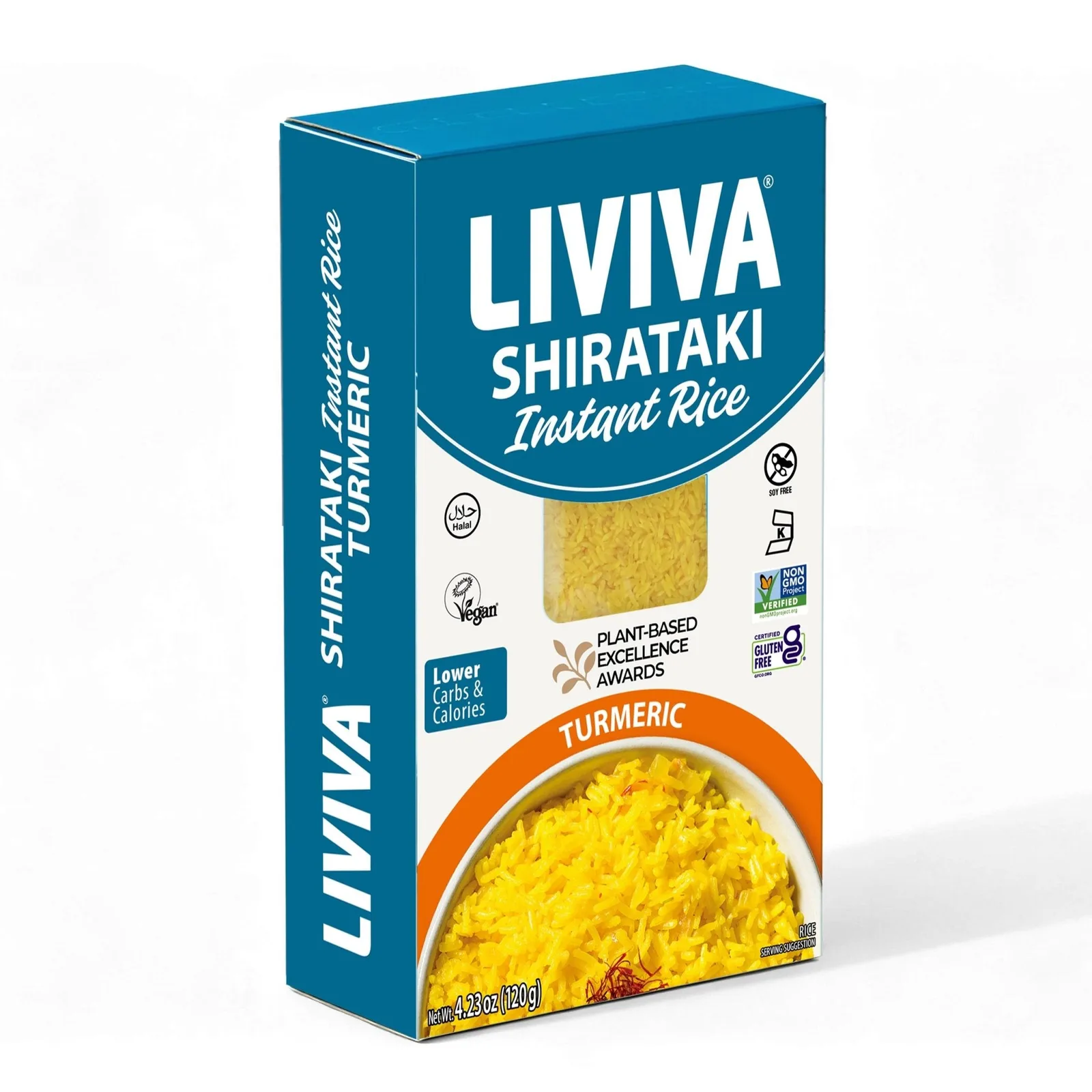
Liviva Foods products also carry a wide certification set: USDA Organic (certified by CERES GmbH), Non-GMO Project Verified, Gluten-Free, Vegan, Keto, and Halal and Kosher certification, with many items also labeled soy-free. That breadth of certification is one of the clearer differentiators versus generic shirataki brands sold purely on price, and it matters if you are shopping with specific allergen or religious dietary restrictions in mind.
Risks, myths and common mistakes
The most common first-time mistake is judging shirataki against wheat pasta on texture alone. Shirataki has a distinctly different, springier bite because it is a fiber gel rather than a starch — most brands, Liviva included, recommend a dry-pan step before saucing to remove excess moisture and firm up the texture. Skipping that step is the single biggest reason new shoppers are disappointed on the first try.
A second myth is that "near-zero calorie" pasta means unlimited portions are automatically healthy. Glucomannan fiber is well tolerated by most people, but introducing a large amount of fermentable fiber quickly can cause digestive discomfort in sensitive individuals — start with a normal single-serving portion rather than doubling up. As with any fiber-forward or diet-focused product, anyone with an existing digestive condition or who is pregnant or nursing should check with a healthcare provider before making shirataki a daily staple.
Alternatives and related low-carb pasta options
Shirataki is generally considered the lowest-carb pasta option on the market today, holding at essentially zero net carbs and near-zero calories per serving, which is why it has become the default swap-in for traditional noodle recipes among keto and diabetic-friendly meal planners. Other low-carb pasta alternatives include chickpea pasta, lentil pasta, and hearts-of-palm noodles, but none match shirataki's near-zero calorie and carb count — they trade some of that carb reduction for a more familiar wheat-like bite.
If you are deciding between Liviva Foods specifically and other shirataki brands, a full hands-on breakdown of taste, texture and value is the more useful next read: see our Liviva Foods review for that comparison.
Getting started with Liviva Foods
If you want to try Liviva Foods, start with one bag of the standard dried shirataki spaghetti or a single pack of instant shirataki rice rather than committing to a bulk carton right away — that lets you test the texture and prep method (rinse, dry-pan, then sauce) before buying in volume. From there, the high-protein pasta line is the natural next step if the standard shirataki texture works for you and you want more protein per serving.
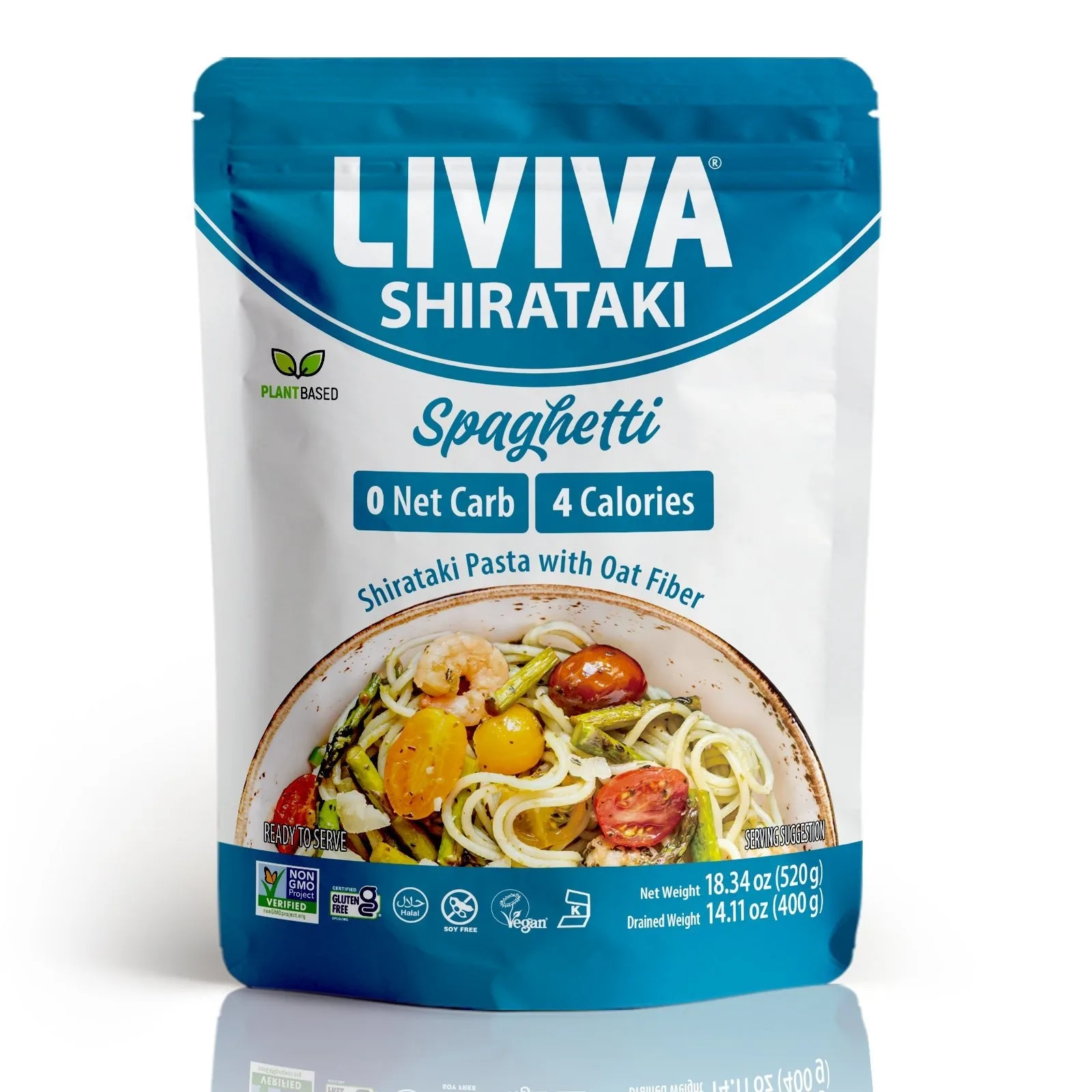
Liviva Foods — shirataki & low-carb pasta range
USDA Organic, Non-GMO, Gluten-Free and Keto-certified shirataki pasta and rice, from the brand's official site.
The Bottom Line
Liviva Foods is a solid entry point into the shirataki category for keto, low-carb and diabetic-friendly eaters, backed by a genuinely broad certification list. It will not replicate wheat pasta's texture exactly, so go in expecting a different bite — and read our full Liviva Foods review before committing to a bulk order.
References
Recommended for you
 Prodough Protein Snacks: Complete Brand Guide (2026)
 Best Texas Pecan Products 2026: From Nut Butters to Pie
 Millican Pecan Review 2026: 135 Years of Texas Pecans Worth It?
 Millican Pecan Butter Review: Best Texas Pecan Products 2026
 How to Cook Shirataki Pasta Right (So It Doesn’t Taste Weird)
 Liviva Foods Review 2026: Does High-Protein Shirataki Pasta Actually Taste Good?