Ube powder unlocks a striking purple color and a flavor that is hard to describe until you taste it - nutty, mildly sweet, gently earthy, and completely unlike any other root vegetable. Once you have a bag in your pantry, the question becomes: what do you actually do with it?
The short answer is: more than you might expect. Ube powder is one of the more versatile specialty ingredients available, working equally well in drinks, breakfast dishes, baked goods, frozen desserts, and even savory cooking. This guide covers 10 practical recipes with dosage guidance for each, plus storage tips and everything you need to use ube powder with confidence.
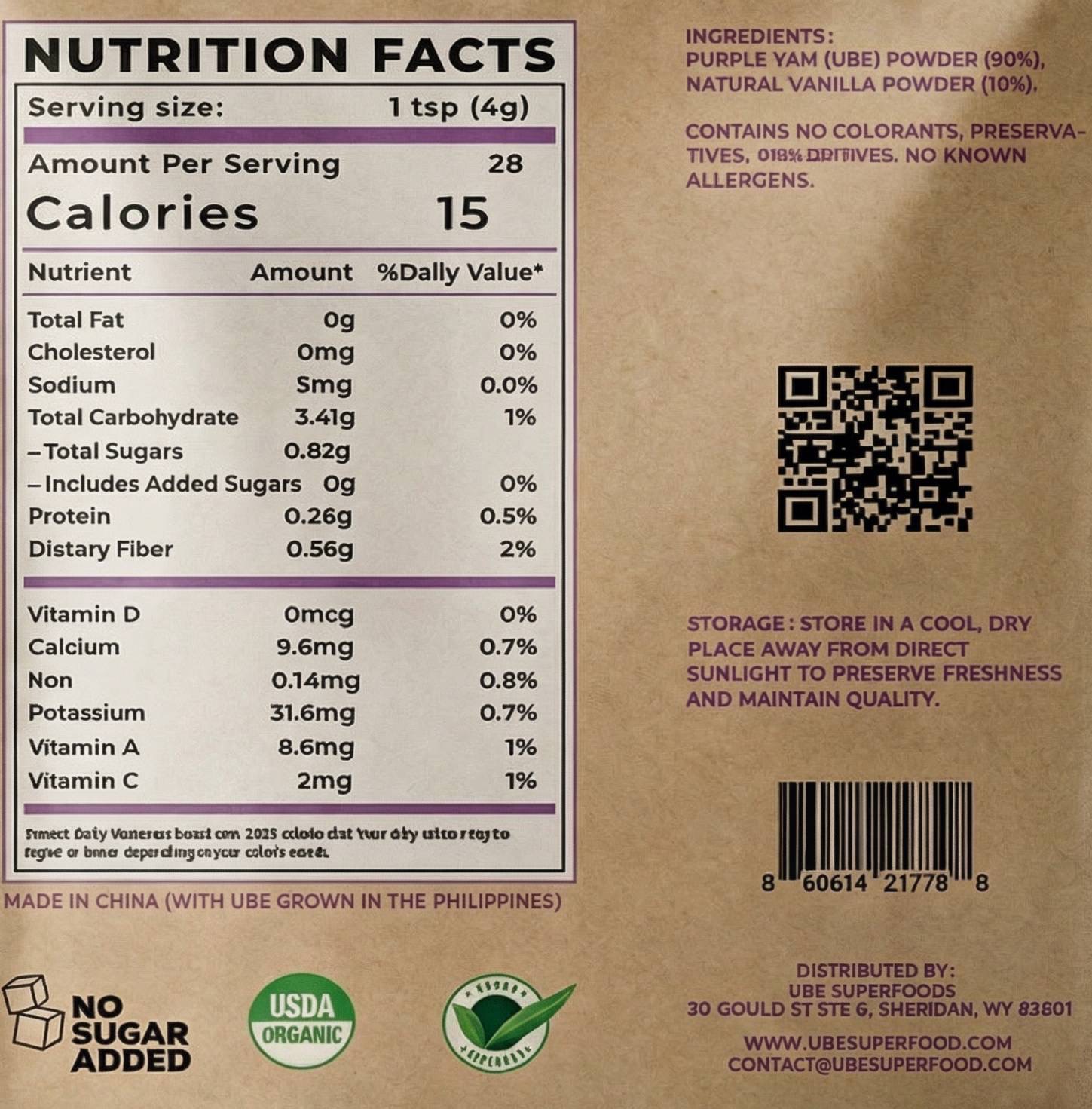
All recipes below work well with Ube Superfood organic powder, which uses a 90% ube and 10% vanilla formula that is designed to be used directly without additional flavoring agents.
Dosage Guide Before You Start
Getting the dosage right matters. Too little and the ube flavor disappears. Too much and the earthiness becomes overpowering.
| Application | Starting Dose | Adjust For |
|---|---|---|
| Hot latte (8-12 oz) | 1 tablespoon | Stronger: 1.5 tbsp |
| Cold smoothie (300-400ml) | 1.5 tablespoons | Richer: 2 tbsp |
| Pancake / waffle batter (1 cup dry mix) | 2 tablespoons | More color: 2.5 tbsp |
| Overnight oats (1 serving) | 1 tablespoon | - |
| Ice cream base (2 cups milk) | 3 tablespoons | Stronger: 4 tbsp |
| Bread / pasta dough (2 cups flour) | 3-4 tablespoons | More purple: 5 tbsp |
| Energy balls (10-12 balls) | 2 tablespoons | - |
| Mochi (1 cup rice flour) | 2 tablespoons | - |
| Yogurt bowl | 1 tablespoon | - |
| Savory hummus (1 can chickpeas) | 1 tablespoon | Subtle: 0.5 tbsp |
A note on color: ube’s anthocyanin pigment is pH-sensitive. In acidic environments (citrus, yogurt, vinegar) the color holds its purple. In alkaline environments (recipes with a lot of baking soda) it can shift toward blue or greenish-gray. This is completely normal and does not affect flavor - but it is worth knowing before your purple pancakes turn slightly blue on the griddle.
5 Sweet Recipes to Start With
1. Ube Latte
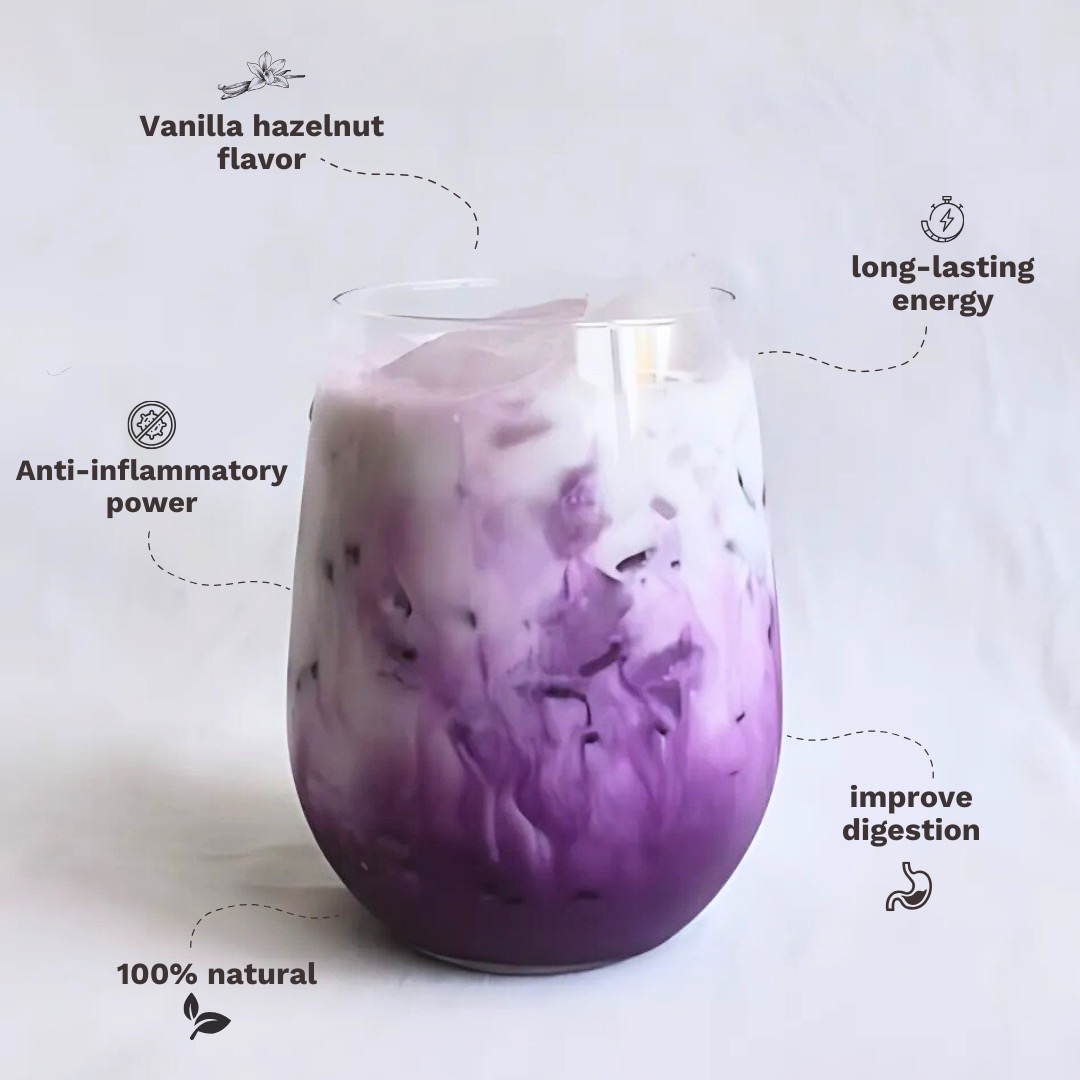
The ube latte is the reason most people buy ube powder in the first place, and for good reason. The combination of ube’s earthy-sweet flavor with steamed milk is genuinely delicious and visually impressive.
What you need:
– 1 tablespoon Ube Superfood powder
– 8-10 oz oat milk, whole milk, or coconut milk
– 1 teaspoon maple syrup or honey (optional)
– Espresso shot (optional - makes it an ube latte, otherwise it’s ube milk)
Method: Warm the milk to 155-165°F (do not boil). Whisk the ube powder directly into the hot milk until fully dissolved - about 20-30 seconds of vigorous whisking. Add sweetener if using. Pour over espresso or drink as-is. Froth for a cafe-style presentation.
Tips: Ube powder dissolves best in hot liquid. Whisking in a small amount of hot water first (to make a paste) before adding the full milk volume improves incorporation.
2. Ube Smoothie
A cold, creamy smoothie that showcases ube’s natural sweetness against coconut and banana.
What you need:
– 1.5 tablespoons Ube Superfood powder
– 1 frozen banana (ripe)
– 200ml coconut milk (canned, full fat for creaminess)
– 100ml water or additional coconut milk
– Handful of ice cubes
Method: Add all ingredients to a blender. Blend on high for 45-60 seconds until smooth. The powder incorporates fully in a blender - do not try to shake-mix this one without a blender as the cold liquid makes dissolution difficult.
Variation: Add 1 tablespoon of vanilla protein powder for a post-workout version. The flavors are compatible and the vanilla reinforces the ube’s vanilla notes.
3. Ube Pancakes
Fluffy purple pancakes that are as photogenic as they are tasty. The color is naturally vivid in lighter batters.
What you need:
– 1 cup all-purpose flour
– 1 tablespoon baking powder
– 1 tablespoon sugar
– Pinch of salt
– 2 tablespoons Ube Superfood powder
– 1 cup milk (dairy or plant-based)
– 1 egg
– 2 tablespoons melted butter or neutral oil
Method: Whisk dry ingredients together including the ube powder. In a separate bowl, whisk milk, egg, and butter. Combine wet and dry ingredients until just mixed (some lumps are fine). Cook on a medium-heat griddle with a light coat of butter, 2-3 minutes per side until cooked through.
Note: The batter will be a deep purple. The cooked pancakes will be slightly muted and may have blue-gray patches from the alkaline baking powder reaction - this is normal and does not affect taste.
4. Ube Overnight Oats
A no-cook option that requires almost no effort and delivers ube flavor fully developed by morning.
What you need:
– 1/2 cup rolled oats
– 1 cup oat milk or almond milk
– 1 tablespoon Ube Superfood powder
– 1 tablespoon chia seeds
– 1 teaspoon maple syrup
Method: Combine all ingredients in a jar and stir well. Seal and refrigerate overnight (minimum 6 hours, up to 24). The powder softens and blooms into the oats over time, producing a more integrated flavor than if you just add it in the morning. Top with fresh fruit - mango or coconut work especially well.
5. Ube Ice Cream Base
Real ube ice cream is a Filipino classic, and making it at home with a quality powder is far simpler than working with fresh ube.
What you need:
– 2 cups whole milk
– 1 cup heavy cream
– 3/4 cup sugar
– 3 tablespoons Ube Superfood powder
– 1/4 teaspoon salt
– 1 teaspoon vanilla extract (optional - the powder already has vanilla)
Method: Warm the milk in a saucepan over medium heat until steaming. Whisk in the ube powder until fully dissolved. Add sugar, cream, and salt. Stir until sugar dissolves. Remove from heat, cool to room temperature, then refrigerate for at least 2 hours. Churn in an ice cream maker according to manufacturer directions, or pour into a container and stir every 30 minutes for 3 hours until set (no-churn method).
Tip: The color deepens significantly once frozen. Allow a 15-minute thaw before serving to get the full flavor at proper serving temperature.
5 Savory Ways to Use Ube Powder (That Most People Miss)
Most home cooks think of ube as a dessert ingredient, and they stop there. But ube powder works surprisingly well in savory applications where its earthy, nutty character adds complexity rather than sweetness. The Ube Superfood formula includes vanilla, which does add a slight sweet note, so the savory applications below are designed to complement or balance that.
6. Ube Hummus
A crowd-pleasing dip that turns the standard hummus format into something visually unexpected and genuinely more interesting in flavor.
What you need:
– 1 can chickpeas (400g / 14 oz), drained and rinsed
– 3 tablespoons tahini
– 2 tablespoons lemon juice
– 1 small garlic clove
– 1 tablespoon Ube Superfood powder
– 3-4 tablespoons cold water
– 2 tablespoons olive oil
– Salt to taste
Method: Blend chickpeas, tahini, lemon juice, garlic, and ube powder in a food processor. Stream in cold water while blending until smooth. Adjust salt. Drizzle with olive oil and serve. The acidic lemon juice helps maintain a vibrant purple color.
Note: Start with 1 tablespoon and taste before adding more. The earthiness of ube works well with chickpeas but the vanilla note is present - the lemon and tahini usually balance it effectively.
7. Ube Pasta Dough
Purple pasta is striking on a plate and genuinely impressive to serve. The ube adds a very subtle earthy note that pairs well with cream-based sauces or simple butter and sage.
What you need:
– 2 cups all-purpose flour (or 00 pasta flour)
– 2 large eggs
– 1 tablespoon olive oil
– 3-4 tablespoons Ube Superfood powder
– Pinch of salt
– Water as needed (1-2 tablespoons)
Method: Mound the flour and ube powder on a work surface. Make a well in the center and crack in the eggs. Add olive oil and salt. Begin mixing from the center outward until a shaggy dough forms. Knead for 8-10 minutes until smooth and elastic. Rest, covered, for 30 minutes before rolling.
Sauce pairing: The ube-vanilla note in the pasta means it works best with neutral or creamy sauces - brown butter, Parmesan cream, or ricotta. Avoid heavy tomato or spicy sauces that will overwhelm the subtle ube flavor.
8. Ube Bread (Sandwich Loaf or Rolls)
Purple bread turns an ordinary sandwich loaf into a conversation piece. The flavor is mild enough that the bread works with standard fillings.
What you need (standard 9×5 loaf):
– 3 cups bread flour
– 4 tablespoons Ube Superfood powder
– 2 1/4 teaspoons active dry yeast
– 1 cup warm water (110°F)
– 2 tablespoons sugar
– 1 teaspoon salt
– 2 tablespoons butter or neutral oil
Method: Dissolve yeast and sugar in warm water. Let sit 5 minutes until foamy. Combine flour, ube powder, and salt. Add yeast mixture and butter. Knead 8-10 minutes (or 5 minutes in a stand mixer). First rise: 1-1.5 hours until doubled. Shape, place in greased loaf pan, second rise: 45 minutes. Bake at 375°F for 28-32 minutes until internal temperature reaches 190°F.
9. Ube Energy Balls
A no-bake, refrigerator-stable snack that works as a meal prep staple.
What you need (makes about 12 balls):
– 1 cup rolled oats
– 1/2 cup almond butter or peanut butter
– 3 tablespoons honey or maple syrup
– 2 tablespoons Ube Superfood powder
– 2 tablespoons mini chocolate chips (optional)
– 1/4 cup shredded coconut
Method: Mix all ingredients in a bowl until fully combined. If the mixture is too dry, add 1 teaspoon of water. Refrigerate for 20-30 minutes until firm enough to roll. Roll into 1-inch balls and coat in additional coconut if desired. Store in an airtight container in the refrigerator for up to 1 week.
10. Ube Mochi
Mochi is a Japanese rice cake that pairs naturally with ube’s Filipino heritage in a cross-cultural dessert.
What you need (makes 8-10 pieces):
– 1 cup glutinous rice flour (mochiko)
– 2 tablespoons Ube Superfood powder
– 1/4 cup sugar
– 3/4 cup water or coconut milk
– Cornstarch for dusting
Method: Whisk rice flour, ube powder, and sugar together. Add water or coconut milk and stir until smooth. Microwave method: Cover loosely and microwave for 2 minutes. Stir. Microwave for 1 more minute. The mixture should be thick, translucent, and slightly sticky. Let cool until handleable. Dust hands and work surface with cornstarch. Divide into 8-10 pieces, flatten, and shape. Eat fresh or refrigerate same-day (mochi hardens with time).
Storage and Shelf Life
Proper storage maintains the flavor and color of ube powder significantly:
- Store in a cool, dry place away from direct sunlight. Light and heat degrade anthocyanins, which will reduce color intensity over time.
- Keep the container sealed tightly. The powder absorbs moisture and odors from the environment.
- Use within 12-18 months of purchase for best flavor, though it remains safe beyond this point.
- Do not refrigerate or freeze the dry powder - temperature cycling causes condensation that leads to clumping.
If you notice significant color fading (from deep purple toward beige-brown), the powder is past its peak flavor period.
Where to Buy
Ube Superfood organic powder is available directly from the brand’s website.
For a full product breakdown and certifications, read our Ube Superfood Organic Powder guide. If you want an honest performance assessment before buying, our Ube Superfood Review covers taste, texture, and mix-in testing in detail.
The versatility of ube powder is one of its underrated strengths. A single bag covers drinks, breakfast, baking, frozen desserts, and savory applications - making it a more practical specialty ingredient than most.