If you’ve ever finished a whey shake and spent the next hour dealing with bloating, cramps, or an upset stomach, you’re far from alone. The search for a better-tolerated, high-performance protein has pushed beef protein isolate into the mainstream in 2026 – and for good reason. Beef protein isolate delivers everything serious athletes want from a protein supplement: a complete amino acid profile, rapid absorption, and zero lactose. This guide covers everything you need to know, from how it’s made to how it stacks up against the competition.
Beef Protein Isolate vs Whey: The Head-to-Head That Matters
The single most important comparison any supplement shopper needs to understand is beef protein isolate vs whey protein. Whey has been the default for decades, but it comes with one significant drawback: it’s derived from dairy, which means it contains lactose. Depending on the processing method, whey concentrate can retain significant amounts of lactose – enough to cause digestive distress in the roughly 70% of the global population that has some degree of lactose intolerance.
Beef protein isolate starts from a completely different source. It’s made from hydrolyzed beef – typically USDA-inspected beef – that’s been processed to remove fat, water, and connective tissue, then concentrated into a powder. The result is a protein source that contains no lactose at all, because there was never any dairy involved in the first place.
So how do the two compare on performance? The data is compelling. Clinical studies on beef protein isolate have shown equivalent – and in some cases superior – gains in lean muscle mass and strength compared to whey protein when matched for protein content and training protocol. The amino acid profile of quality beef protein isolate, particularly the concentration of BCAAs and essential amino acids, supports muscle protein synthesis just as effectively.
The key difference is what you don’t get: no lactose, no bloating, no GI distress, and no post-workout regret.
Macros comparison (per 30g serving, typical values):
| Metric | Beef Protein Isolate | Whey Concentrate | Whey Isolate |
|---|---|---|---|
| Protein | 23-25g | 20-24g | 25-27g |
| Lactose | 0g | 3-5g | <1g |
| Fat | 0-1g | 1-3g | 0-1g |
| Sugar | 0g | 1-3g | 0g |
| Price/lb | $20-26 | $12-18 | $18-30 |
Whey isolate is close on macros, but still derived from dairy and still carries a small lactose risk for sensitive individuals. Beef protein isolate eliminates that variable entirely.
What 350% More Amino Acids Actually Means
One of the most striking claims you’ll see on beef protein isolate products is that they contain 350% more concentrated amino acids than a comparable serving of steak. That number sounds like marketing hyperbole – but it’s actually backed by straightforward nutritional math.
When you eat a steak, a large portion of its total weight is water, fat, and connective tissue. A 100g serving of lean cooked beef might yield 26-28g of actual protein. By the time you factor in water content (roughly 60-65% of cooked meat’s weight), fat marbling, and collagen, the actual usable protein and amino acid content per gram of food is relatively diluted.
Beef protein isolate strips all of that away. Through a process of hydrolysis and filtration, the protein is concentrated to the point where a single 30g scoop can deliver 23g of protein – almost entirely as free-form and short-chain amino acids that absorb rapidly. There’s essentially no water, almost zero fat, and no sugar pulling down the ratios.
The result: you’re getting the anabolic muscle-building core of beef in a highly concentrated, fast-absorbing form. That’s the 350% figure – it’s the ratio of protein-per-gram in the isolate versus actual steak by weight.
For serious athletes who are counting every gram of protein and every calorie, that concentration matters. You’re not wasting your protein budget on water weight or fat you don’t need.
How Beef Protein Isolate Is Made
Understanding the production process helps you evaluate quality. Not all beef protein isolates are made equal, and the sourcing and processing method has a real impact on the final product.
Step 1 – Sourcing: Quality manufacturers start with USDA Inspected beef. This is an important credential – it means the raw material has passed federal food safety inspections, which is the baseline you want in any protein supplement.
Step 2 – Defatting and dewatering: The beef undergoes initial processing to remove fat and moisture. This is where a lot of the caloric density comes from – you’re left with a lean protein-rich base.
Step 3 – Hydrolysis: The protein chains are broken down through enzymatic hydrolysis. This creates shorter peptides and free amino acids that the body can absorb more rapidly than intact proteins. Hydrolyzed proteins are associated with faster amino acid delivery to muscles post-workout.
Step 4 – Purification and isolation: The hydrolyzed protein goes through filtration to remove remaining non-protein content, yielding a high-purity isolate – typically 90%+ protein by weight.
Step 5 – Flavoring and formulation: The resulting powder is mixed with flavoring, sweeteners, and any additional ingredients (creatine, B-vitamins, electrolytes) before packaging.
The best beef protein isolates on the market use this kind of rigorous processing to deliver a clean, high-purity product. Look for brands that are transparent about their beef sourcing and carry third-party certification like Informed Choice.
The Lactose Intolerance Angle: Why This Matters More Than You Think
The statistic bears repeating: approximately 70% of the global adult population has some degree of lactose maldigestion. That’s the majority of people on earth. Yet whey protein – which comes from dairy – remains the dominant protein supplement category.
The mismatch creates a real problem for millions of gym-goers who experience symptoms ranging from mild discomfort to significant digestive disruption after whey shakes. Many people attribute their bloating to protein in general, not realizing that the lactose in their whey is the culprit.
Symptoms of lactose intolerance after whey protein consumption include:
– Bloating and gas within 30-60 minutes of consumption
– Stomach cramps or pain
– Loose stools or diarrhea, particularly with whey concentrate
– Nausea, especially at higher doses
For athletes who are consuming multiple shakes per day – pre-workout, post-workout, and as meal replacements – these cumulative exposures add up. The constant low-level GI distress isn’t just uncomfortable; it can affect training consistency, appetite, and overall nutrition.
Beef protein isolate eliminates this problem at the source. There is no dairy in the product, which means there is no lactose to cause problems. Athletes who switch from whey to beef protein isolate frequently report dramatic improvements in digestive comfort within the first week.
Clinical Evidence: What the Research Actually Shows
Beef protein isolate isn’t just a marketing concept – it has legitimate research behind it. Clinical studies have examined its effects on body composition and strength, with results that rival or match whey protein.
In multiple controlled trials comparing beef protein isolate to whey protein at matched doses (typically 46g/day split across two servings), subjects completing resistance training programs showed:
- Comparable gains in lean muscle mass over 8-12 week periods
- Similar improvements in upper and lower body strength measures
- Better gastrointestinal tolerance scores in lactose-sensitive individuals
- No significant differences in markers of muscle protein synthesis
The 8-week timeframe is significant because it’s long enough to see real compositional changes and validate that the protein is actually driving muscle adaptation, not just filling macros on paper.
Informed Choice certification is another marker of credibility. Products carrying this certification have been independently tested for banned substances, which matters for athletes subject to drug testing and for anyone who wants assurance about what they’re actually consuming.
Picking the Right Beef Protein Isolate: What to Look For
Not every beef protein isolate on the market is worth your money. Here’s what separates the top-tier products from the filler.
1. Protein purity – Look for 90%+ protein by weight in the isolate. A 30g scoop should yield at least 23-25g of protein. If the ratio is lower, you’re paying for filler.
2. USDA beef sourcing – The raw material should be USDA Inspected beef. Avoid products that don’t disclose their beef source.
3. Third-party certification – Informed Choice, NSF Certified for Sport, or similar third-party testing tells you the product has been independently verified for label accuracy and freedom from banned substances.
4. Hydrolysis quality – Hydrolyzed beef protein absorbs faster and digests more easily than non-hydrolyzed versions. Look for “hydrolyzed” on the label.
5. No unnecessary fillers – A clean formula shouldn’t require a chemistry degree to parse. Protein, flavoring, sweeteners, and maybe a few functional additions (creatine, B-vitamins) are all you need.
6. Flavor range and mixability – Beef protein isolate has historically had a reputation for being harder to flavor than whey, but top manufacturers have solved this. Look for products with multiple flavor options and verified reviews on mixability.
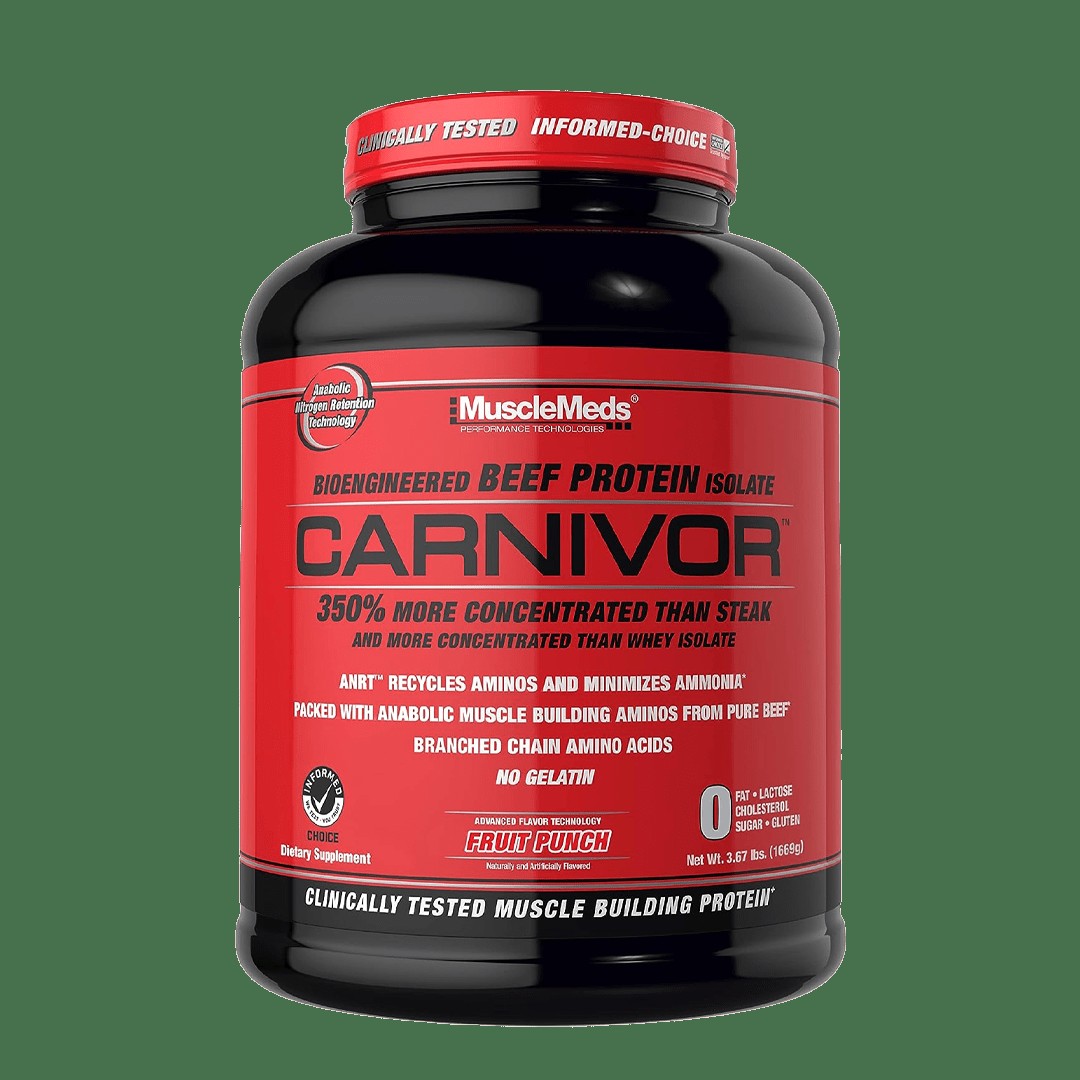
The best option in 2026 by all of these criteria is MuscleMeds Carnivor – see our detailed MuscleMeds Carnivor review for the full breakdown.
How to Use Beef Protein Isolate for Maximum Results
Getting the most from beef protein isolate comes down to timing, dose, and combining it with the right training stimulus.
Post-workout window: The 30-60 minutes after training is the highest-priority time for protein delivery. Hydrolyzed beef protein isolate’s rapid absorption rate makes it ideal here. Aim for 25-40g of protein in this window depending on body weight and training intensity.
Daily protein targets: For muscle building and body recomposition, most research supports 1.6-2.2g of protein per kg of body weight per day. A 180lb (82kg) athlete should aim for roughly 130-180g of protein daily. Beef protein isolate shakes can make hitting this target significantly easier.
Stacking options: Beef protein isolate mixes well with creatine monohydrate – in fact, some premium formulas like Carnivor already include creatine in the formula. Adding 3-5g of creatine post-workout alongside your protein shake has strong evidence behind it for strength gains.
Meal replacement: Beef protein isolate works as a lean meal replacement option when combined with a source of fats and carbohydrates. A shake with beef protein isolate, a tablespoon of almond butter, and a banana provides a balanced macro split without any dairy.
Before bed: Unlike casein (the slow-digesting dairy protein traditionally recommended before bed), beef protein isolate is faster-digesting. For a pre-sleep protein strategy, pairing it with a small amount of fat can slow absorption enough to provide a more sustained release.
Beef Protein Isolate for Specific Populations
Lactose-intolerant athletes: This is the primary use case, and the evidence is strongest here. If you’ve been avoiding protein supplements or suffering through whey-related GI distress, beef protein isolate is the straightforward solution.
Older adults: Protein absorption efficiency decreases with age. The hydrolyzed form of beef protein isolate may support better utilization in older athletes who are working to maintain muscle mass as part of healthy aging.
Paleo and carnivore dieters: Beef protein isolate fits naturally into animal-based dietary frameworks. It’s a clean, single-ingredient protein source aligned with these approaches.
Kosher and halal considerations: Many beef protein isolates can be certified halal, which opens up the market for users who avoid pork-derived products. (Note: whey is also not pork-derived, but some people prefer animal protein sources they have explicit confidence in.)
Endurance athletes: While beef protein isolate is most commonly associated with strength training, endurance athletes still require adequate protein for muscle repair and adaptation. The lactose-free profile and clean digestion make it a solid choice for post-long-run or post-race recovery.
The 2026 Market: Top Beef Protein Isolate Brands
The beef protein isolate market has matured significantly over the past few years. Here’s a snapshot of where things stand:
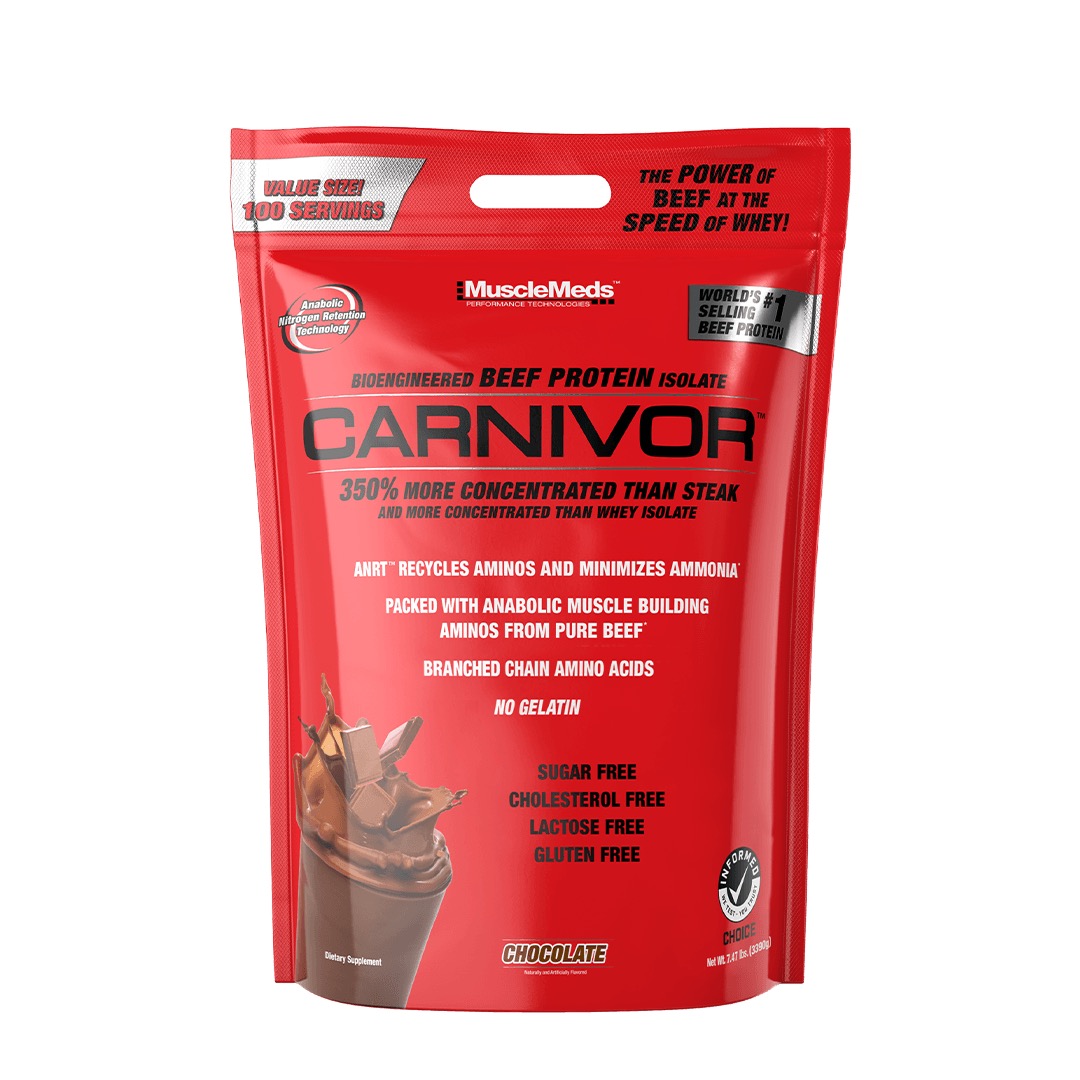
MuscleMeds Carnivor remains the market leader – described as the world’s #1 selling beef protein isolate. Carnivor is made with 99% beef protein isolate from USDA Inspected beef, delivers 23g of protein per serving, and carries Informed Choice certification. At 2lb from $45.99, it’s competitive on price for a premium product. The 4lb and 8lb ($129.38) options offer better per-serving value for regular users. See the full MuscleMeds Carnivor review.
The brand also offers an expanded Carnivor line including Carnivor Lean Meal ($68.50) for a complete meal-replacement approach, Carnivor Shred ($47.50) for those incorporating a fat-loss component, and Carnivor Mass ($64.99) for hardgainers who need additional calories. There’s even a Carnivor Protein Hydration formula for athletes who want protein with electrolyte replenishment.
Currently, select MuscleMeds products are available at 25% off – making this a good time to stock up if you’re planning to commit to beef protein isolate as your primary protein source.
For a full guide on selecting the right lactose-free protein option for your needs, see Protein Powder Without Lactose: The No-Bloat Guide for 2026.
If you’ve decided beef protein isolate is the right fit, MuscleMeds Carnivor is the most credible pick in the category — 99% beef protein isolate, Informed Choice certified, zero lactose, and built-in creatine. At the current 25% off sale pricing it’s the easiest time to try it. Shop MuscleMeds Carnivor
Frequently Asked Questions
Is beef protein isolate better than whey protein?
For lactose-intolerant individuals, beef protein isolate is clearly superior because it eliminates the dairy-related digestive issues that affect up to 70% of people. For those who tolerate dairy well, the two are broadly comparable on performance metrics. Clinically tested beef protein isolates like Carnivor show equivalent muscle and strength gains to whey at matched protein doses.
Does beef protein isolate taste like beef?
No – quality beef protein isolates are highly refined and flavor-neutral, so they take on whatever flavoring is added. MuscleMeds Carnivor comes in 9 flavors including Chocolate Fudge, Vanilla Caramel, Cookies & Cream, and novelty options like Cinnamon Toast Cereal and Fruity Cereal. Most users report no meaty aftertaste whatsoever.
Is beef protein isolate safe for long-term use?
Yes. Beef protein isolate is a food-derived protein supplement with no documented safety concerns at recommended doses. Products with third-party certification like Informed Choice provide additional assurance about purity and label accuracy.
Can I use beef protein isolate if I don’t have lactose intolerance?
Absolutely. Many athletes choose beef protein isolate purely for the concentrated amino acid profile, the clean macros, and the absence of added sugars – regardless of lactose tolerance. The lactose-free angle is the primary draw for most users, but it’s not the only reason to choose it.
How much beef protein isolate should I take per day?
Most research on muscle building supports 1.6-2.2g of protein per kg of bodyweight per day from all sources combined. One to two scoops (23-46g of protein) of beef protein isolate per day is typical for athletes actively training for muscle gain, alongside adequate protein from whole food sources.
What’s the difference between beef protein and beef protein isolate?
Beef protein concentrate retains more of the non-protein content from the original beef source. Beef protein isolate is further purified to remove fat, water, and non-protein compounds, resulting in a higher protein percentage per gram (typically 90%+). Isolate is the higher-quality form.
Is beef protein isolate good for weight loss?
Yes – the zero sugar, near-zero fat, and zero lactose profile of beef protein isolate makes it highly compatible with calorie-controlled diets. High protein intake supports satiety and lean muscle preservation during a caloric deficit. MuscleMeds also offers Carnivor Shred ($47.50), a formulation specifically designed to support fat loss alongside the protein.