Tired of Bland Sauces? Spice Up Your Meals with Elijah’s Xtreme – Feel the Heat!
Discover Elijah’s Xtreme hot sauce: extreme heat with rich flavor that transforms meals without overwhelming your taste buds.
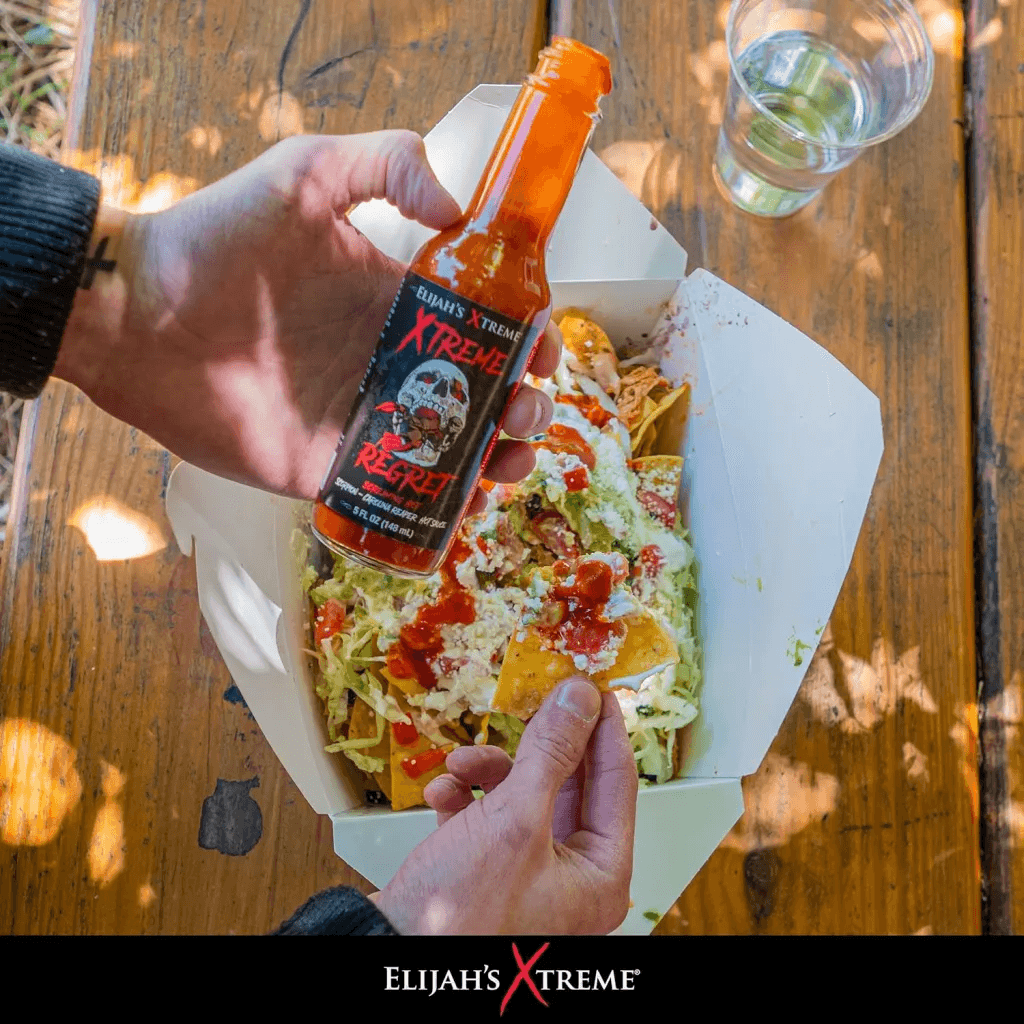
Why Elijah’s Xtreme is the go-to upgrade when your sauces taste bland
- Why Elijah’s Xtreme is the go-to upgrade when your sauces taste bland
- Elijah’s Xtreme brand story (and why it matters for flavour)
- What makes Elijah’s Xtreme hot sauces different from typical “super hot” bottles
- Ingredient deep-dive: what you’re actually tasting (and why it works)
- Spotlight review: Elijah’s Xtreme Regret Hot Sauce (heat level, taste, and texture)
- How to use Elijah’s Xtreme hot sauce without ruining your meal (practical serving ideas)
- Comparing Elijah’s Xtreme lineup: which bottle to buy first
- What real buyers tend to say (review patterns to look for)
- Growing-your-own heat: why pepper fans end up loving this brand
- Who should (and shouldn’t) buy Elijah’s Xtreme
- Final verdict: does Elijah’s Xtreme deliver both heat and flavour?
If your meals taste flat, you don’t always need a new recipe. Most of the time, you just need one thing: a sauce that actually shows up. Not a watery “kinda spicy” drizzle. Not a vinegar bomb that nukes the dish. And definitely not a novelty “challenge” bottle that tastes like pain and nothing else. Consider using Elijah’s Xtreme for a bold flavor that elevates your dishes effortlessly.
A flavourful thick hot sauce like Elijah’s Xtreme can do something magical: it can add punch, body, and heat to almost anything—without you changing the entire meal.
That’s the lane Elijah’s Xtreme plays in: extreme heat, but still built like a sauce you’d want to eat. Not just survive.
In this review, I’ll break down:
- What Elijah’s Xtreme is (and where it fits in the hot sauce world)
- The brand story (and why it matters for flavour)
- Ingredients and what they actually contribute
- A spotlight review of Elijah’s Xtreme Regret Hot Sauce
- How to use it without ruining your food (or your evening)
- Which bottle to buy first
- Who should buy it—and who should skip
If you’re tired of sauces that taste bland, this is your upgrade. Just… respect the bottle.
Why Elijah’s Xtreme is the go-to upgrade when your sauces taste bland
A lot of sauces fail in the same boring ways:
- They’re thin and disappear into the food.
- They’re all vinegar and no depth.
- They’re “hot” but one-note (heat with zero flavour).
- Or they’re sweet in a cheap, sticky way that doesn’t work outside of nuggets.
Elijah’s Xtreme is different because it’s positioned as an extreme heat hot sauce brand that still aims for heat + flavour balance.
That balance matters more than people think.
Because when a sauce is only hot, you use it once for the story and then it becomes a fridge ornament.
But when a sauce is hot and tastes good, you start using it like an ingredient: one drop in chili, a tiny smear in mayo, a half-teaspoon in a marinade… and suddenly your “basic” meals don’t taste basic anymore.
What to expect from this review
I’m not going to pretend every bottle is for everyone. Elijah’s Xtreme has sauces that are genuinely, unapologetically hot.
So I’m going to cover:
- Taste: what you actually get beyond capsaicin
- Heat level: real-world experience, not marketing bravado
- Ingredients: what’s inside and what it does
- Texture: thick vs thin, cling vs run
- Use cases: what foods it shines on
- Who it’s for (and who should skip): because “extreme” isn’t a vibe for every dinner table
By the end, you’ll know whether you should buy it, which bottle to start with, and how to use it without turning dinner into a regret montage.
Elijah’s Xtreme brand story (and why it matters for flavour)
Hot sauce brands love to scream “world’s hottest” on the label.
But the brands that actually build a following usually have a different core obsession: the pepper itself—how it tastes, how it hits, and how it can be used like food (not just a stunt).
Elijah’s Xtreme leans into a story that feels very on-brand for the pepper world: a father-and-son creation, built around a genuine obsession with hot peppers and making sauces that aren’t just heat for the sake of heat.
That matters because you can usually taste when a brand was built by:
- someone who loves peppers, or
- someone who loves selling “crazy” labels
Elijah’s Xtreme tries to sit in the middle: extreme heat, but still gourmet-leaning in how the sauces are built.
The “gourmet” approach with superhots
Using peppers like Carolina Reaper and Trinidad Scorpion is risky.
Not because they’re trendy—because they can easily bulldoze everything else in the bottle. If you don’t build the sauce properly, all you taste is sharp burn and panic.
A gourmet-leaning approach usually means:
- building a flavour base first (savory, aromatic, bright)
- balancing acid and sweetness so it tastes like food
- thickening so it clings instead of running off
- then letting the superhots do what they do best: deliver a layered, escalating heat
A quick look at the creation process (why it impacts the final sauce)
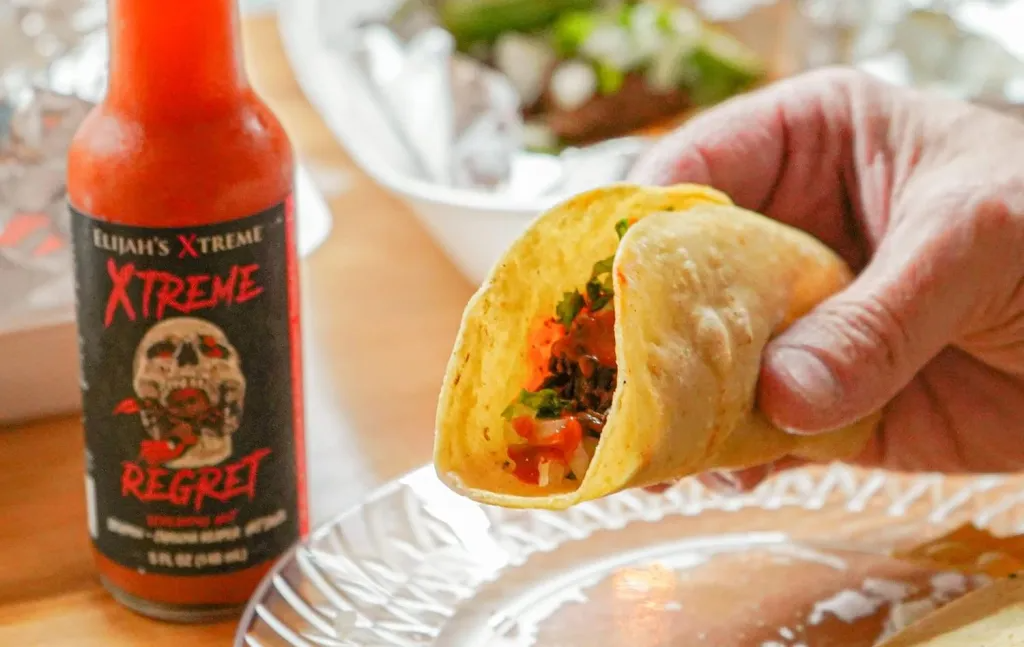
The basic process for a good superhot sauce usually looks like this:
- Sourcing peppers (freshness and quality matter a lot with superhots)
- Blending a base (vegetables, aromatics, sometimes fruit)
- Balancing acids and sweetness (vinegars/citrus + sugar to round it)
- Dialing salt (to make flavours “pop” and reduce harshness)
- Thickening for cling (so the sauce behaves like an ingredient, not a splash)
That last point is a big deal. Thick sauces don’t just feel better—they carry flavour longer on the tongue, which matters when heat is trying to erase everything else.
Where Elijah’s Xtreme Gourmet Sauces fit in the lineup
Not every bottle is “maximum burn.”
Elijah’s Xtreme has options that aim for gourmet heat (still hot, but more usable), and bottles like Regret that are clearly made for experienced spice fans who want the real thing.
So if you’ve only heard the brand described as “insane,” that’s only part of the picture.
What makes Elijah’s Xtreme hot sauces different from typical “super hot” bottles
A lot of so-called superhot sauces follow the same lazy formula:
- thin vinegar base
- pepper mash
- maybe some extract
- and a label that dares you to try it
Elijah’s Xtreme tends to stand out in four practical ways.
1) Pepper strategy: superhots without leaning on “extract burn” (as the main event)
The best extreme sauces don’t feel like a chemical burn. They feel like… peppers.
Peppers have flavour. Even the terrifying ones. Reaper and Scorpion aren’t just heat delivery systems—they have distinct personalities:
- Carolina Reaper often hits with a sharp, aggressive heat that can bloom and linger with a slightly fruity edge.
- Trinidad Scorpion can feel more immediate and stinging, with a bright, punchy top-end heat.
When a sauce is built around the pepper (not just extract), you get a heat that feels more alive—and usually more complex.
2) Taste + texture: thick sauce = more flavour per bite
This is one of the biggest differences people notice right away.
A thicker sauce:
- sticks to wings instead of pooling at the bottom
- coats tacos and sandwiches instead of dripping out the back
- mixes into mayo/sour cream cleanly
- gives you more “sauce presence” with less quantity
And with extreme heat, using less is the whole point.
3) Heat layering: Scorpion vs Reaper “heat curves”
Not all heat feels the same.
Some sauces punch you fast, peak hard, and drop. Others build slowly and haunt you.
With Reaper/Scorpion-driven sauces, you often get heat that changes in phases. That makes the experience more than just “hot.” It becomes a curve:
- quick sting
- rising pressure
- peak burn
- lingering glow that refuses to leave
4) Balance components that make it usable
When a sauce uses vinegar, citrus, fruit, aromatics, salt, and sugar thoughtfully, it stops being a dare and starts being a tool.
That’s the key difference:
A novelty sauce is something you try.
A good superhot sauce is something you use—in tiny amounts, but consistently.
Ingredient deep-dive: what you’re actually tasting (and why it works)
Let’s talk about what matters when you flip a hot sauce bottle around and read the label.
A well-built hot sauce typically has a mix of:
- Peppers (the heat and a big chunk of the flavour identity)
- Acids (brightness, tang, and shelf stability)
- Salt (flavour enhancer)
- Sweeteners (roundness; helps tame harsh edges)
- Aromatics (garlic/onion; the “savory backbone”)
- Thickeners (body and cling)
- Preservatives/antioxidants (freshness support)
Elijah’s Xtreme sauces (varies by bottle) often include ingredients along the lines of:
Acids and brightness: why the vinegar/citrus mix matters
Different acids do different jobs. Some hit sharp and clean, others feel rounder.
- Apple Cider Vinegar: tangy with a slightly fruity warmth; plays well with pepper fruitiness.
- Sugar Cane Vinegar: cleaner, lighter sweetness; helps sauces taste less harsh.
- Acetic Acid: the core “vinegar tang” compound; helps with preservation and punch.
- Citric Acid: bright, sharp, citrusy lift; can make flavours “pop.”
- Lemon: fresh citrus brightness; helps cut through fatty foods (wings, burgers, brisket).
Acid is one of the reasons a superhot sauce can taste gourmet instead of muddy. It gives you a clear “high note” that isn’t just pain.
Aromatics: garlic and onion (the secret to “food flavour”)
With extreme sauces, aromatics matter more, not less—because they give your tongue something to taste through the burn.
- Garlic adds savory depth and a familiar “yum” factor.
- Onion adds sweetness and body, making the sauce taste more like a real condiment.
Without aromatics, superhot sauces can taste empty—heat without a meal.
Texture and stability: why xanthan gum shows up
You’ll often see xanthan gum (sometimes misspelled as “xanthin gum”).
It’s not there to be fancy. It’s there to make the sauce:
- thicker
- smoother
- more stable (less separating)
- better at clinging to food
For extreme sauces, this is especially helpful because you want control. A thin sauce can overpour instantly. A thick sauce lets you dose more precisely.
Freshness support: ascorbic acid
Ascorbic acid (Vitamin C) is often used as an antioxidant to support freshness and stability.
It’s one of those “behind the scenes” ingredients you don’t taste directly, but you appreciate when the sauce stays brighter over time.
Quick callout
Always check your specific bottle’s label—exact formulas vary across the Elijah’s Xtreme lineup.
Spotlight review: Elijah’s Xtreme Regret Hot Sauce (heat level, taste, and texture)
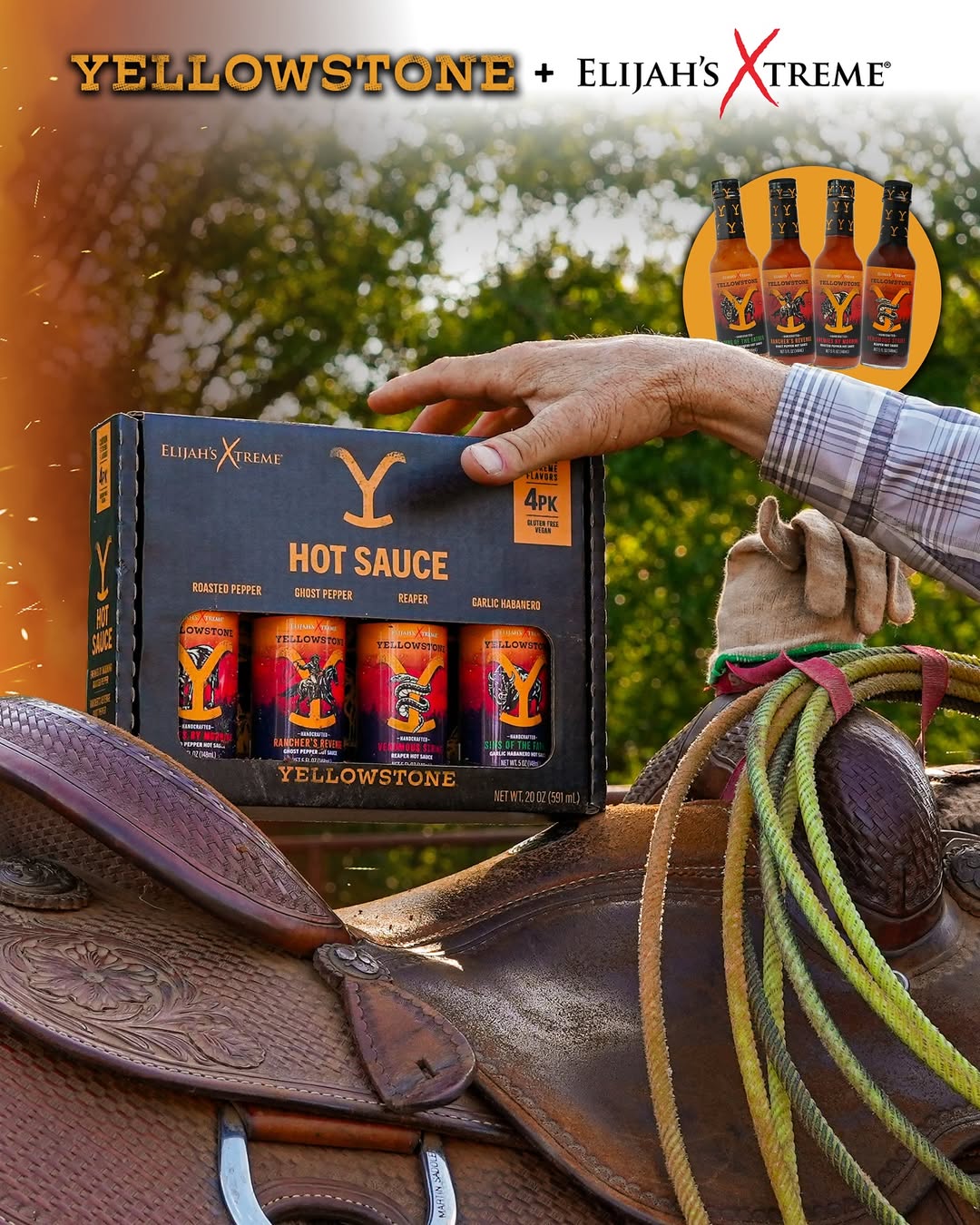
When most people say “Elijah’s Xtreme hot sauce,” they usually mean one bottle:
Elijah’s Xtreme Regret.
It’s the one that shows up in spicy food conversations because it sits right at the intersection of:
- brutal heat
- thick, bold texture
- and (importantly) a flavour profile that’s more than just capsaicin
Heat level: what “extreme” means in real terms
This is not a casual table sauce. It’s not something you pour like ketchup.
In practical terms, Regret is the kind of sauce where:
- the heat hits fast enough that you notice it immediately
- it ramps into a serious burn within seconds
- and it lingers long enough that you’ll remember exactly how much you used
You also don’t need much. In fact, the fastest way to “ruin” Regret is to treat it like a normal sauce.
Think: drops, not streams.
Flavour notes: how it avoids tasting like pure heat
The best way I can describe the flavour concept is this:
It tastes like a real sauce first… and then the heat arrives and tries to take over the room.
You get a mix of brightness (acid), a touch of sweetness (to round edges), and a savory backbone (aromatics/vegetable base in many superhot builds). That’s what keeps it from turning into a one-dimensional burn.
Texture: a flavourful thick hot sauce that clings
Regret-style sauces are typically thick enough that you can:
- dot it onto pizza
- smear it into a burger sauce
- coat wings more evenly
- mix it into dips without thinning everything out
That thickness makes it easier to use responsibly—because the sauce doesn’t explode out of the bottle in a watery gush.
Who it’s for (and who it isn’t)
Regret is for:
- chiliheads who want real superhot heat
- people who like building sauces/dips with tiny doses
- wing lovers who want thick cling + serious burn
- anyone who wants one bottle to last forever because you barely use any per meal
Regret is not for:
- casual “mild/medium” spice fans
- people sensitive to capsaicin
- households where someone might accidentally use it like a normal hot sauce
If you’re curious but not experienced, you can still enjoy it—just treat it like a concentrate.
Heat experience: what “Xtreme Regret” feels like (real-world, not hype)
Here’s the most honest way to describe the heat curve.
1) Initial sting
You feel it quickly. A sharp “hello” on the tongue.
2) Peak burn
It builds into a full-mouth burn that can make you pause mid-bite. This is where the sweating, watery eyes, and sudden silence can happen.
3) Lingering glow
After the peak, it sticks around. Not always unbearable, but persistent—like a space heater you can’t turn off.
Common sensations people report with sauces at this level:
- sweating
- hiccups
- tearing up
- flushed face
- the need to stand up and reassess life choices
Dose guidance (this is where people win or lose)
- Toothpick dip: safest first try. Stir into a bite of food.
- Pea-size amount: enough to heat an entire bowl of chili or ramen.
- Teaspoon: this is where meals get wrecked. Unless you’re very experienced, don’t.
If you want the flavour without turning it into a punishment, start with the toothpick method. You can always add more.
How to recover (what actually helps)
- Dairy: milk, yogurt, sour cream (casein helps with capsaicin)
- Carbs: bread, rice, tortillas (physical “buffer”)
- Time: unfortunately undefeated
What not to rely on:
- Water (often spreads the burn)
- Alcohol (can intensify the sensation for many people)
Safety note (boring but real)
- Keep it away from eyes.
- Wash hands after handling.
- Be careful around kids and pets.
- Don’t leave it where someone can mistake it for a casual sauce.
Flavour experience: how it stays “gourmet” despite the burn
A sauce like Regret works when it has “levers” besides heat.
Those levers usually include:
- Acids (vinegar/citrus) to keep it bright and cut richness
- Sweetness (sugar) to round harsh edges
- Savory base (often tomato/carrots/vegetable blends depending on the sauce) for body
- Aromatics (garlic/onion) for that craveable, food-like depth
Foods it complements best (and what it clashes with)
Best with:
- wings, fried chicken, tenders
- burgers, brisket, pulled pork
- tacos, burritos, quesadillas
- chili, stews, beans
- ramen and noodle soups
- pizza (small dots, not a full drizzle)
- roasted vegetables (especially cauliflower, potatoes, carrots)
- eggs (mixed into salsa or mayo first)
Can clash with:
- delicate fish
- subtle broths
- lightly dressed salads
- anything where you mainly want the ingredient’s natural flavour
This isn’t a “whisper” sauce. It’s a “headline” sauce.
Why it’s more than a novelty
Because you can use it as a base for other sauces:
- spicy mayo
- spicy ranch
- wing butter
- honey heat glaze
- BBQ booster
That turns one intense bottle into a whole system of sauces you actually want to eat.
How to use Elijah’s Xtreme hot sauce without ruining your meal (practical serving ideas)
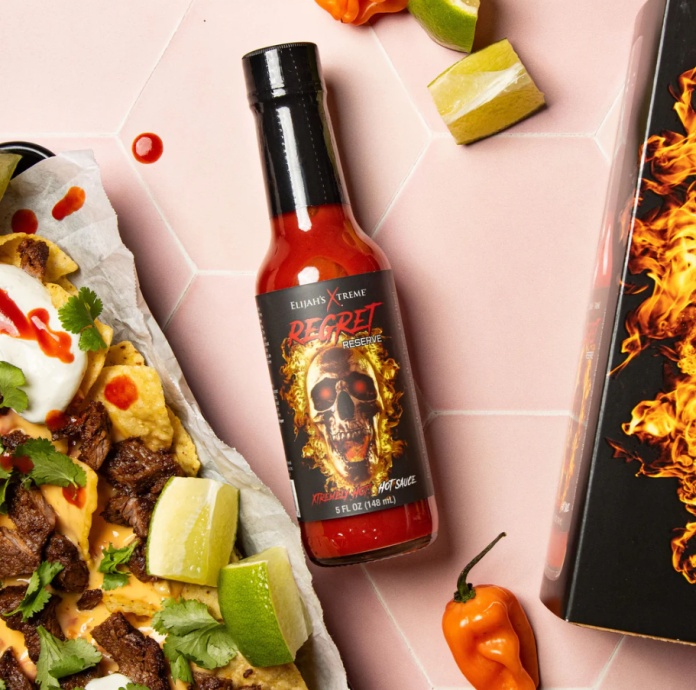
The secret to superhot sauce happiness is simple:
Don’t pour. Blend.
Think of Elijah’s Xtreme as a concentrate—you add small amounts to create something balanced.
Micro-dose methods (my go-to moves)
Mix a tiny amount into:
- Mayo / aioli (best beginner method)
- Sour cream / Greek yogurt (great for tacos)
- Ranch (wing dip upgrade)
- Butter (instant wing sauce)
- Honey (sweet heat glaze for chicken)
- BBQ sauce (turns basic BBQ into something dangerous)
- Ketchup (a surprisingly good spicy burger sauce base)
A simple starting ratio:
- Start with one toothpick dip per 2–3 tablespoons of base sauce.
- Taste.
- Add another toothpick dip if needed.
Yes, it feels silly. Then it tastes perfect.
Meal pairings that actually work
- Tacos: mix into sour cream or crema for a controlled burn.
- Wings: melt butter + add a small amount for a thick coating sauce.
- Chili: a pea-size amount can heat a whole pot.
- Ramen: stir into the broth, then add more only if you’re sure.
- Burgers: mix into mayo + add pickles for balance.
- Eggs: swirl into salsa or hot honey; don’t dump directly unless you like pain.
- Pizza: dot it. Don’t stripe it.
- Grilled chicken: brush on at the end as a finishing glaze.
- Roasted vegetables: mix with olive oil + a touch of honey, then toss lightly.
Marinade + glaze approach (important for superhots)
Superhot sauces can taste bitter or harsh if overcooked.
A smarter method:
- Use a mild marinade first (salt, garlic, citrus, oil).
- Cook the meat.
- Add Elijah’s Xtreme at the end as a finishing glaze or sauce mix-in.
You preserve the brighter notes and avoid “burnt pepper” flavours.
Entertaining idea: a “heat ladder” tasting
If you have friends over:
- Start with mild sauces first.
- Work up slowly.
- Keep milk/yogurt on standby.
- Put Elijah’s Xtreme near the end like the final boss.
People remember the night. You keep your friendships intact.
Comparing Elijah’s Xtreme lineup: which bottle to buy first
Elijah’s Xtreme generally spans a range from bold gourmet heat to regret-level intensity depending on the bottle.
So the “best” one depends on what you’re trying to do.
Decision criteria that actually matters
Ask yourself:
- What’s your heat tolerance?
- If you live in “medium” most days, don’t start at the top.
- What do you cook most?
- Wings and burgers? Go thicker and bolder.
- Soups and bowls? Something that blends well.
- Do you want fruit-forward or savory-forward?
- Fruit can make superhot sauces more usable and round. Savory can make them feel more “meal-ready.”
- Do you prefer coating or drizzling?
- Elijah’s Xtreme tends to land on the thicker, clingy side, which is great for coating and mixing.
Budget/value: why these bottles last
Here’s the funny part: extreme sauces can be a better value than mild sauces.
Because you’re not using tablespoons—you’re using drops.
If you use it as intended, one bottle can last months.
So don’t judge it like a “how fast will I finish it?” sauce. Judge it like a “how many meals can I upgrade?” sauce.
What real buyers tend to say (review patterns to look for)
If you read hot sauce reviews, you’ll notice two types:
- “It’s hot!!!” (not helpful)
- Actual notes on flavour, texture, and usability (very helpful)
Here are common patterns people tend to mention with Elijah’s Xtreme-style sauces.
Common positives
- Intense but complex flavour (not just pain)
- Serious heat that delivers what the label promises
- Quality ingredients / better-than-novelty taste
- Thick consistency that clings and mixes well
- A little goes a long way (good value)
Common negatives
- Too hot for daily use for many people
- Easy to overpower a dish if you overpour
- Lingering burn that can be distracting if you just wanted flavour
How to interpret reviews properly
When you’re reading reviews, look for:
- What food they used it on
- How much they used (drop vs teaspoon is everything)
- Their heat tolerance level (chilihead vs casual)
If someone dumps a spoonful into ramen and says it’s inedible… that’s not always the sauce’s fault.
If you write your own review, include context
The best hot sauce reviews mention:
- the dish
- the dose
- how it was mixed (straight, blended, diluted)
- heat tolerance
That’s how people decide if it’s right for them.
Growing-your-own heat: why pepper fans end up loving this brand
If you’ve ever met someone who grows peppers, you know it’s rarely just gardening.
It becomes a hobby. Then a personality trait. Then a basement full of seeds.
Elijah’s Xtreme tends to appeal to pepper people because it’s pepper-forward—it lets you experience superhot pepper flavour without needing to grow (and survive) them yourself.
The gateway path is real
A lot of spice fans build tolerance over time:
- jalapeños → serranos → cayenne
- then maybe a hot banana pepper phase (more flavour, manageable heat)
- then habaneros
- then… the superhots
Tasting Reaper/Scorpion sauces helps you understand what those peppers taste like in a controlled way—controlled meaning “one drop at a time.”
Tip: keep a “heat journal” (yes, really)
If you’re actually trying to enjoy superhot sauces, track:
- dish
- amount used
- how it felt (peak + linger)
- what helped (dairy, carbs)
- whether you’d go higher or lower next time
It sounds extra. It works.
And it stops you from accidentally turning “spicy wing night” into “silent sweating night.”
Who should (and shouldn’t) buy Elijah’s Xtreme
This is the part most reviews skip, but it’s the part that saves people money.
Buy it if you’re:
- a chilihead who wants real heat with real flavour
- a wing/BBQ lover who wants a thick sauce that clings
- a collector of spicy sauces (and you like trying top-tier superhots)
- someone who wants one powerful bottle that lasts a long time
- someone who likes making dips and custom blends (mayo, ranch, butter, honey, BBQ)
Skip it if you’re:
- in a low-heat household
- sensitive to capsaicin (digestive issues, discomfort, etc.)
- looking for a mild “everyday table sauce”
- likely to pour first and ask questions later
Giftability: a great spicy gift (with one smart move)
Elijah’s Xtreme bottles make excellent gifts for spice fans.
One smart idea: gift it with a mild sauce or a creamy base (like a quality mayo/ranch) so they can actually use it without suffering.
Quick checklist before you buy
- Can you comfortably eat habanero-level heat?
- Do you cook foods that can handle aggressive sauce (wings, tacos, chili, burgers)?
- Do you want flavour-first superhot, not just a challenge bottle?
- Are you willing to micro-dose and mix?
If yes, you’re the target audience.
Final verdict: does Elijah’s Xtreme deliver both heat and flavour?
Elijah’s Xtreme is built for extreme heat—but it’s not just burn.
The ingredient choices, the acid/sweetness balance, and the thicker texture are what make it feel more “gourmet” than many superhot bottles. Especially if you treat it like a concentrate and use it with intent.
If you’re new to superhots: start slow, mix it into mayo/sour cream, and let the flavour come through.
If you’re a hardcore heat seeker: Regret-level bottles deliver the kind of heat that makes other sauces feel like warm-up laps.
If you’re tired of bland sauces, Elijah’s Xtreme makes food exciting – fast. Just remember: with this one, excitement comes in drops, not pours.
Find Out More: Tasteoria.com
Recommended for you
 Prodough Protein Snacks: Complete Brand Guide (2026)
 Liviva Foods Guide 2026: Low-Carb Shirataki Pasta & Rice
 Best Texas Pecan Products 2026: From Nut Butters to Pie
 Millican Pecan Review 2026: 135 Years of Texas Pecans Worth It?
 Millican Pecan Butter Review: Best Texas Pecan Products 2026
 How to Cook Shirataki Pasta Right (So It Doesn’t Taste Weird)