Knowing how to choose electrolytes for weight loss is not complicated once you understand what you are actually filtering for. The problem is that the supplement market is full of products that use wellness language to sell you something that actively conflicts with your goals. Understanding how to choose electrolytes for weight loss means learning to read a label faster than a brand can spin it.
This guide gives you the exact criteria, in order of importance, and a look at one brand that built its entire product line around getting these criteria right.
The Problem with Standard Electrolytes and Weight Loss
Most sports drinks and even many “premium” electrolyte powders were formulated for endurance athletes who need to replace calories as well as minerals during multi-hour events. For a woman trying to lose weight, this is the wrong formula in a convincing package.
The issues are:
Added sugar. Twenty to thirty grams of sugar per bottle adds 80-120 calories that spike insulin, interrupt fat oxidation, and trigger further sugar cravings. This is not compatible with a caloric deficit or a fat-burning protocol.
Sodium-heavy ratios. High sodium drives water retention and the puffy, bloated feeling that masks fat loss on the scale. Women who weigh themselves daily and see the scale move in the wrong direction after a workout often attribute it to fat gain when it is actually sodium-driven water retention.
Artificial dyes. Some food dyes are suspected endocrine disruptors. While the research is not conclusive for all synthetic colors, a woman optimizing her hormonal health for weight loss and energy has reason to avoid unnecessary synthetic additives.
Low potassium. Potassium is the mineral that counteracts the bloating effects of sodium, supports cellular hydration, reduces cravings, and maintains muscle function during a deficit. Cheap formulas underdose potassium because it is more expensive to source.
How to Choose Electrolytes for Weight Loss: The 4 Non-Negotiables
Here are the four criteria that should be non-negotiable when choosing electrolytes specifically for a weight-loss context.
Non-Negotiable 1: Zero or Near-Zero Sugar
The first filter is sugar content. Any product with added sugar — regardless of whether it comes from sucrose, cane juice, honey, or “natural fruit extract” — is adding insulin-spiking carbohydrates to your drink. During a fat-burning workout, elevated insulin directly inhibits lipolysis (the process by which fat is broken down for energy).
Zero sugar is the baseline. This is where products like My Adventure to Fit’s Watermelon Candy Electrolytes earn immediate consideration — the formula contains zero added sugar and is built to hydrate without disrupting metabolic state.
Non-Negotiable 2: Potassium-Forward Formula
The second filter is the potassium-to-sodium ratio. A weight-loss-friendly electrolyte formula should provide more potassium relative to sodium, not less. My Adventure to Fit delivers 2.8x more potassium than the leading sports drink — a specific claim that indicates the formulation was designed with this priority in mind.
Why does this matter for weight loss specifically?
- Potassium reduces the water-retention effect of sodium, which means less scale fluctuation unrelated to fat
- Adequate potassium reduces muscle cramping during caloric restriction (muscles are sodium-potassium pump-dependent)
- Potassium supports kidney function, which is important when a high-protein diet is used alongside a caloric deficit
Non-Negotiable 3: Clean Label
The third filter is ingredient simplicity. A clean electrolyte formula should contain: the minerals (sodium, potassium, magnesium, possibly calcium), a natural flavor, and a non-sugar sweetener if flavor is desired. It should not contain: synthetic dyes, unnecessary fillers, proprietary blends that hide underdosed ingredients, or artificial preservatives.
Reading the ingredient list takes 30 seconds. If you cannot identify what most of the ingredients are or why they are in an electrolyte drink, that is a signal worth heeding.
Non-Negotiable 4: A Flavor You Will Actually Drink
The fourth filter is compliance-driven. No electrolyte formula produces results if you avoid drinking it because it tastes bad. This is not a luxury criterion — it is a practical one. The best formula in the world provides zero benefit sitting in a cabinet.
The viral growth of My Adventure to Fit’s Watermelon Candy Electrolytes is largely driven by this factor. Women who have tried multiple products and found them unpalatable discovered a formula that tastes genuinely enjoyable. The reviews reflect this: 873+ reviews averaging 4.8-5.0 stars, with flavor mentioned repeatedly as the differentiating factor.
Zero sugar is the first filter when choosing electrolytes for weight loss — the Watermelon Candy formula from My Adventure to Fit clears it easily.
Reading the Label: What the Numbers Actually Mean
When you pick up an electrolyte product, here is how to read the nutrition facts and ingredient panel for weight-loss compatibility:
Sugars row: Look for 0g. Any number above 0g means added sugar unless the product explicitly states it uses sugar alcohols (which have a different metabolic impact) or the sugar is naturally occurring from a flavoring extract at trace levels.
Sodium (mg): The range 100-400 mg per serving is appropriate for active women. Above 700 mg is endurance-athlete territory. Above 1000 mg (like LMNT’s flagship) is appropriate only for extreme-sweat-loss situations and will cause bloating for most women using electrolytes for daily training.
Potassium (mg): Look for 300-600 mg per serving. Less than 200 mg is a placeholder, not a meaningful dose. The daily adequate intake for potassium for adult women is 2,600 mg — a single electrolyte serving should make a meaningful contribution, not a symbolic one.
Magnesium (mg): 40-80 mg per serving is useful. Magnesium supports sleep, reduces muscle cramping, and has clinical evidence for reducing PMS symptoms — all relevant for women managing weight and training load simultaneously.
Sweetener: If the formula uses a sweetener other than sugar, the most commonly used are stevia, monk fruit, sucralose, and erythritol. Of these, stevia and monk fruit are generally considered the cleanest options for metabolic health.
Potassium, sodium, magnesium ratios matter — 2.8x more potassium is the benchmark worth looking for.
Electrolytes and the Phases of a Weight-Loss Program
Understanding how to choose electrolytes for weight loss also means understanding that your electrolyte needs shift as you progress through different phases.
Phase 1: Initial Deficit (Weeks 1-4)
When you first create a caloric deficit, your body begins releasing stored glycogen. Each gram of glycogen is stored with approximately 3-4 grams of water. This rapid water and mineral loss is why the first few weeks of a diet often show dramatic scale results — and why women in this phase frequently experience fatigue, headaches, and muscle cramps that have nothing to do with caloric restriction and everything to do with electrolyte depletion.
Electrolyte supplementation during the first month of a caloric deficit is not optional — it is the reason many women succeed or fail in this phase.
Phase 2: Steady State (Months 2-4)
Once water loss stabilizes and you are in a true fat-loss phase, electrolytes become a maintenance protocol rather than a rescue intervention. One serving per day on training days and every 1-2 days on rest days is sufficient for most moderately active women.
Phase 3: Plateau Breaking
Plateaus are frequently triggered by chronic mild dehydration and electrolyte imbalance. When your body is not optimally hydrated, metabolic rate decreases, cortisol rises (which promotes fat storage), and workout intensity drops — all factors that compound a plateau. Optimizing electrolyte intake is one of the lowest-effort plateau interventions available.
Phase 4: Maintenance
After reaching a goal weight, electrolyte supplementation supports the maintenance phase by preventing the fatigue, cravings, and performance decline that often derail women in the months after reaching their goal.
Electrolytes Versus Other Hydration Options
Plain water: Necessary but insufficient for active women in a deficit. Drinking only water during intense exercise dilutes existing electrolytes and can contribute to hyponatremia in extreme cases.
Coconut water: A natural source of potassium but contains sugar (9-12g per cup) and inconsistent mineral concentrations. Not optimal for a weight-loss protocol.
Sports drinks (Gatorade, Powerade): High sugar (20-30g per serving), synthetic dyes, low potassium. Designed for calorie replacement during endurance events, not for weight-loss-context hydration.
Premium electrolytes (LMNT, Liquid IV, Nuun): LMNT contains no sugar but is very high sodium (1000 mg), which causes retention issues for women not doing extreme sweat-loss activities. Liquid IV contains sugar. Nuun tablets are lower-calorie but underdose potassium.
My Adventure to Fit Watermelon Candy Electrolytes: Zero sugar, potassium-forward, clean label, taste-optimized. The formula checks all four non-negotiables for weight-loss context hydration.
Building a Women’s Supplement Stack Around Electrolytes
If you are building a supplement routine for weight loss, electrolytes are the foundation — the first product to add before anything else, because hydration and mineral balance govern how every other supplement and training stimulus performs.
Around that foundation, My Adventure to Fit’s complete lineup supports a natural stack progression:
Layer 1 (Essential): Watermelon Candy Electrolytes — daily hydration base, $39.95 standard or $49.95 family size (33% off per serving)
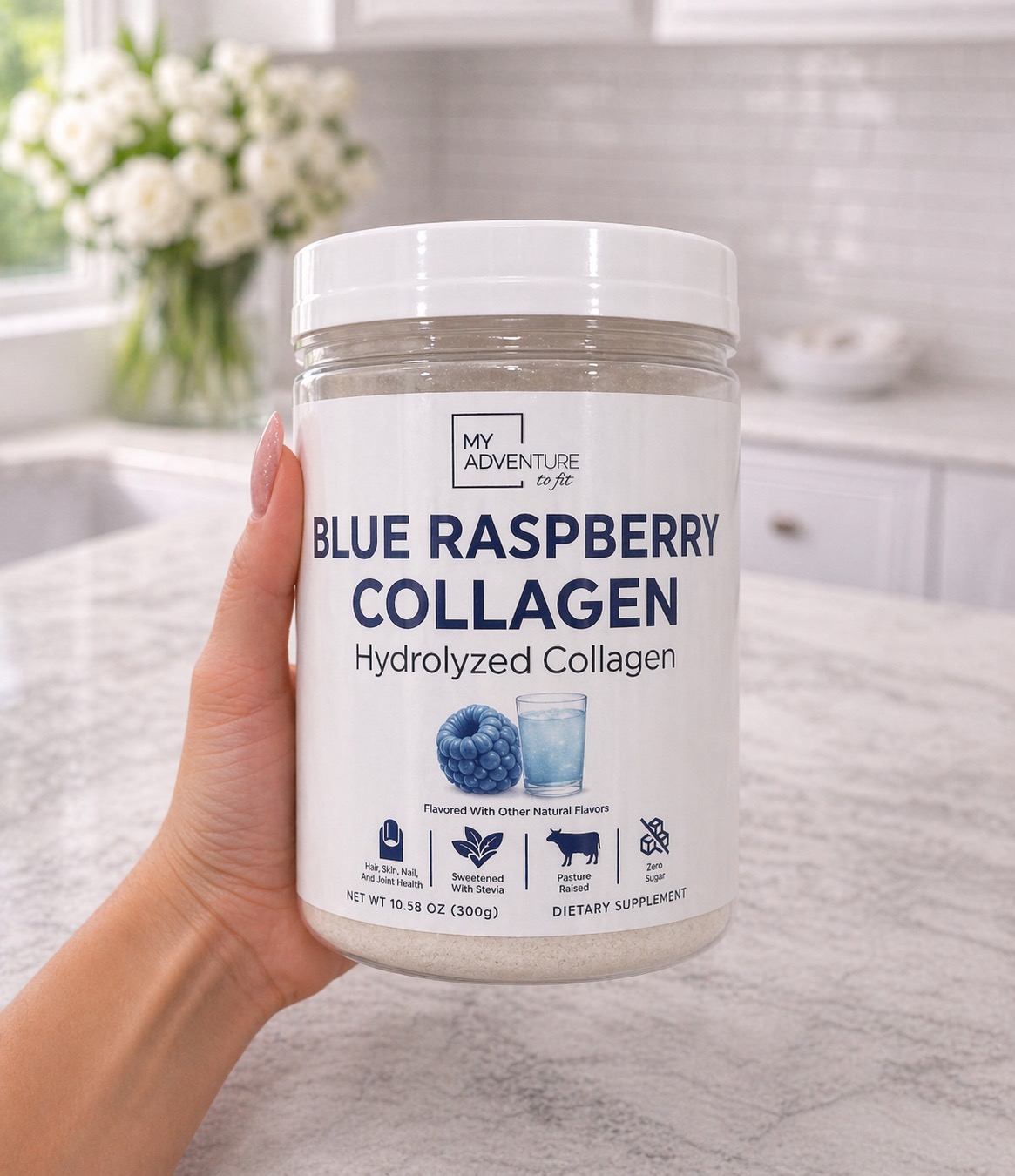
Layer 2 (Recovery + Appearance): Marshmallow Collagen — joint health, skin elasticity, connective tissue support, currently 20% off
Layer 3 (Muscle Retention): Chocolate Brownie Batter Protein — post-workout protein to support lean mass retention during a deficit, currently 10% off
Layer 4 (Micronutrient Insurance): Greens + Cal-Mag — daily micronutrient coverage for women who cannot consistently hit vegetable and mineral targets through food alone
The family-size bundles ($49.95-$119.97, up to 33% off) make the full stack more cost-effective for women who want to commit to the system.
Practical Tips for Using Electrolytes During a Weight-Loss Phase
Drink your electrolytes first thing in the morning. Overnight, you lose water through respiration and do not replace it. Starting the day with electrolytes sets your hydration baseline before food, caffeine, or exercise changes the equation.
Time a second serving before any workout over 45 minutes. Pre-loading electrolytes improves endurance, reduces cramping, and supports the fat-burning environment you want during exercise.
Use rest days actively. The mistake most women make is skipping electrolytes on rest days. Mineral depletion does not pause when you skip the gym. Fatigue on rest days is often electrolyte depletion, not inadequate sleep.
Pair with adequate water. Electrolytes are not a substitute for water — they are an enhancement. The formula works by helping your cells retain and use the water you drink.
Track how you feel, not just the scale. Energy level, workout quality, absence of cramping, and reduced afternoon energy crashes are the leading indicators that your electrolyte protocol is working. The scale is a lagging indicator that is often distorted by water fluctuations.
For the complete breakdown of why women’s electrolyte needs differ from men’s, read Electrolytes for Women 2026: The Zero-Sugar Hydration Guide.
For a detailed review of My Adventure to Fit’s specific formula and product line, see My Adventure to Fit Review: Watermelon Candy Electrolytes Honestly Tested.
Shop My Adventure to Fit — free shipping, all orders.
Frequently Asked Questions
How to choose electrolytes for weight loss when all products look the same?
Start with sugar content (must be zero) and potassium level (aim for 400+ mg per serving). Those two filters eliminate the majority of mainstream products immediately. From the remaining candidates, compare the sodium-to-potassium ratio and ingredient cleanliness.
Should I take electrolytes before or after a workout for weight loss?
Both. Pre-workout electrolytes prime your cells for fat oxidation and delay the fatigue that reduces workout intensity. Post-workout electrolytes support recovery and protein synthesis. If choosing one, pre-workout has the larger impact on training performance and fat burn.
Do electrolytes break intermittent fasting?
Zero-calorie, zero-sugar electrolytes do not break a fast. They are frequently recommended during fasting windows specifically because fasting accelerates mineral excretion through increased urination.
Can electrolytes reduce weight-loss plateau?
Chronic mild dehydration suppresses metabolic rate and elevates cortisol, both of which contribute to plateaus. Optimizing electrolyte intake is a low-effort, high-leverage intervention for women stuck at the same weight for 2+ weeks.
Are cheap electrolyte powders as good as premium ones?
Formula quality varies significantly. Cheap powders typically underdose potassium, use synthetic dyes, and sometimes include sugar. For weight-loss-specific use, the formula details matter enough to justify a premium product.
How much potassium is in My Adventure to Fit electrolytes?
The brand claims 2.8x more potassium than the leading sports drink. Check the current product label for exact mg per serving, as formulations are periodically updated.
Is zero-sugar electrolyte better than fruit-infused water?
For weight loss, yes. Fruit-infused water contains trace amounts of sugar and natural sugars that still register metabolically. Zero-sugar electrolytes provide minerals with no caloric or glycemic impact.
What is the cheapest way to buy My Adventure to Fit products?
The family-size bundles at 33% off deliver the lowest per-serving cost. Current promotions (Marshmallow Collagen 20% off, Protein 10% off) stack additional savings if you purchase multiple products. Free shipping applies to all orders regardless of order size.