Shirataki pasta has a problem with first impressions. Most people try it once from a wet-pack bag, are hit with a strange smell, struggle with a rubbery texture, and never try it again. That’s a shame, because properly prepared shirataki — particularly the dried and oat-fiber formats — is genuinely good. The key is knowing the right technique, which is completely different from how you cook wheat pasta and even different from how most online guides describe it. This guide covers the exact method, step by step, for cooking LIVIVA Foods’ Organic Shirataki with Oat Fiber, and also covers the faster approach for the LIVIVA High Protein Pasta line.
Understanding Why Shirataki Has a Reputation
Before getting into technique, it helps to understand why shirataki pasta goes wrong.
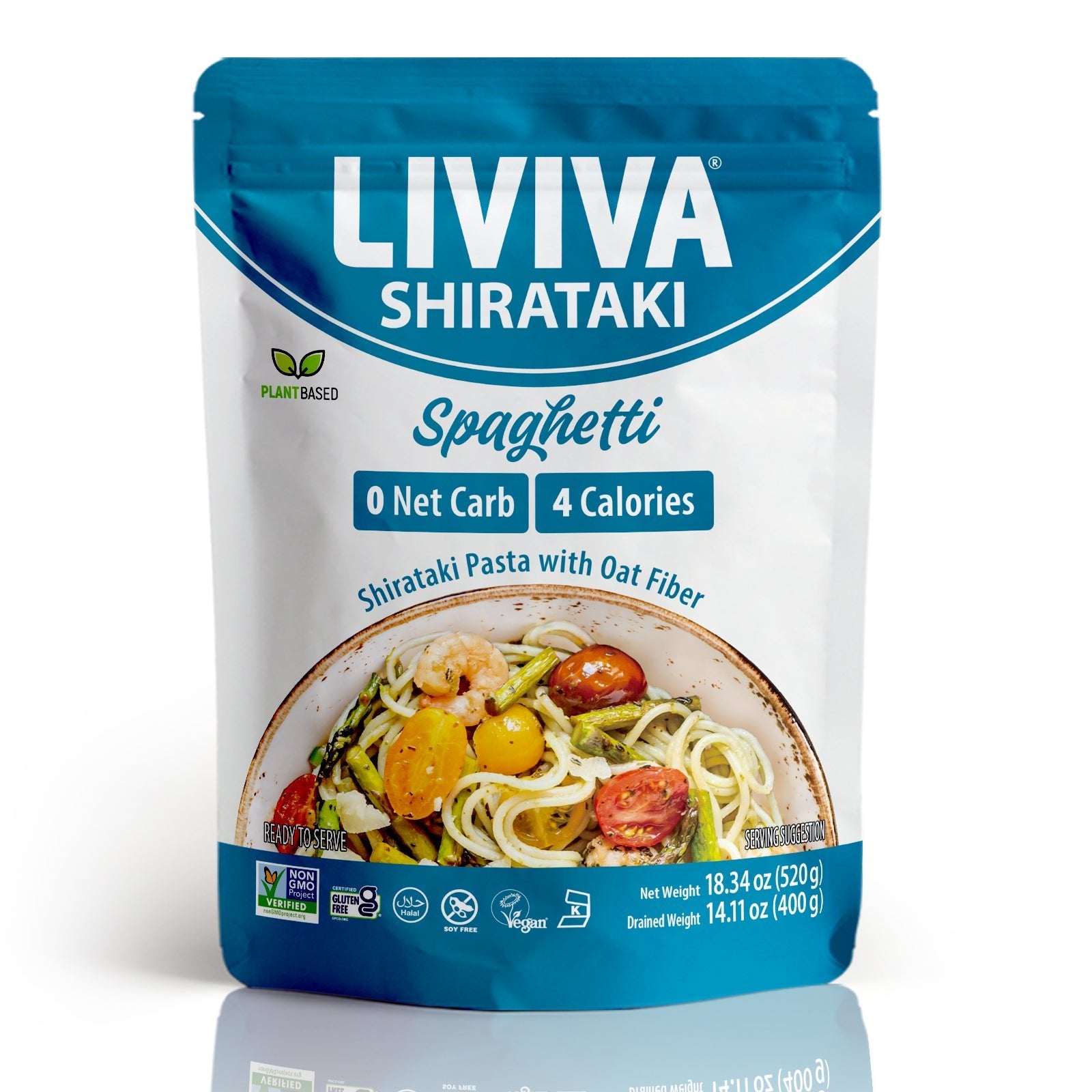
Konjac pasta — made from glucomannan, the water-soluble fiber extracted from konjac root — is composed almost entirely of fiber and water. It has virtually no protein, fat, or digestible carbohydrates. That’s what gives LIVIVA’s Organic Shirataki its near-impossible nutritional profile: 4 calories, 0g net carbs, 0g sugar, 0g fat per serving.
But this fiber structure creates two practical problems:
First, glucomannan retains a lot of water and tends to release it slowly during cooking — which means shirataki can make dishes watery if not properly dried first.
Second, konjac itself has a mild, characteristic smell — particularly in wet-packed formats where the noodles sit in alkaline water. LIVIVA’s dried format (Water, Organic Konjac Flour, Oat Fiber, Citric Acid) eliminates the alkaline water issue, and the citric acid helps neutralize any residual odor. The result is the “No Odor” claim on the product page — and in practice, the dried format genuinely doesn’t have the wet-pack smell problem.
But even with a better starting point, technique still matters.
Step 1: Rinse and Drain Thoroughly
LIVIVA’s own cooking instructions begin with this: “Rinse thoroughly and drain.”
For the Organic Shirataki with Oat Fiber, you’re working with noodles that have been dried and packaged. When you open the pack, you’ll need to rehydrate them. Rinse the noodles under cold running water for at least 30-60 seconds, moving them around to ensure water reaches all surfaces.
After rinsing, drain completely in a colander. Shake the colander several times to remove as much standing water as possible.
This step does two things: it removes any residual processing smell, and it starts to soften the noodles without making them waterlogged.
Step 2: Squeeze Out Excess Water
LIVIVA’s instructions are specific: “Be sure to squeeze out all excess water.”
This step separates people who get good results from people who don’t. Take a handful of noodles and squeeze them firmly in your fist over the sink — you’ll be surprised how much water comes out even after draining. Do this in batches until the noodles feel noticeably drier.
Alternatively, spread the rinsed noodles on a clean kitchen towel or layers of paper towels and press down firmly. Blot as much moisture as possible.
The reason this matters: any water left in the noodles will steam off during cooking and end up in your sauce, diluting it. Properly dried noodles absorb sauce instead of releasing water into it.
Step 3: The Dry Toast — the Step Most People Skip
LIVIVA’s official instructions say to serve with sauce after squeezing — which works fine. But for significantly better texture and sauce absorption, there’s one extra step that makes a real difference: the dry toast.
Heat a non-stick pan or skillet over medium-high heat with no oil. Add the dried noodles in a single layer (cook in batches if needed). Let them sit for 30-45 seconds, then toss. Repeat for 60-90 seconds total until you can hear a faint sizzle and the noodles start to feel slightly firmer and dryer to the touch.
This technique works because heat drives off the last remaining moisture from the konjac fibers, creating a surface that’s more porous and sauce-ready. The difference in texture between dry-toasted and non-toasted shirataki is noticeable — dryer, slightly chewier, and much better at holding sauce.
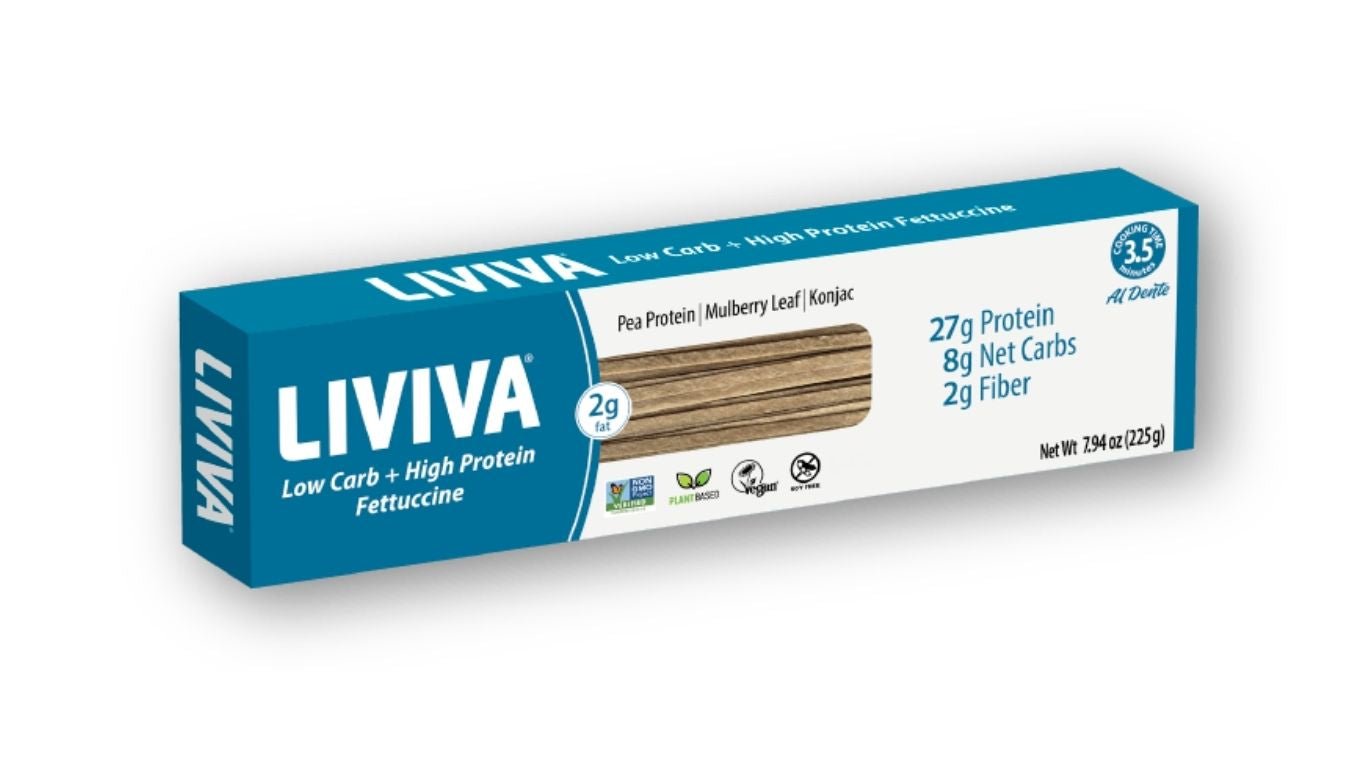
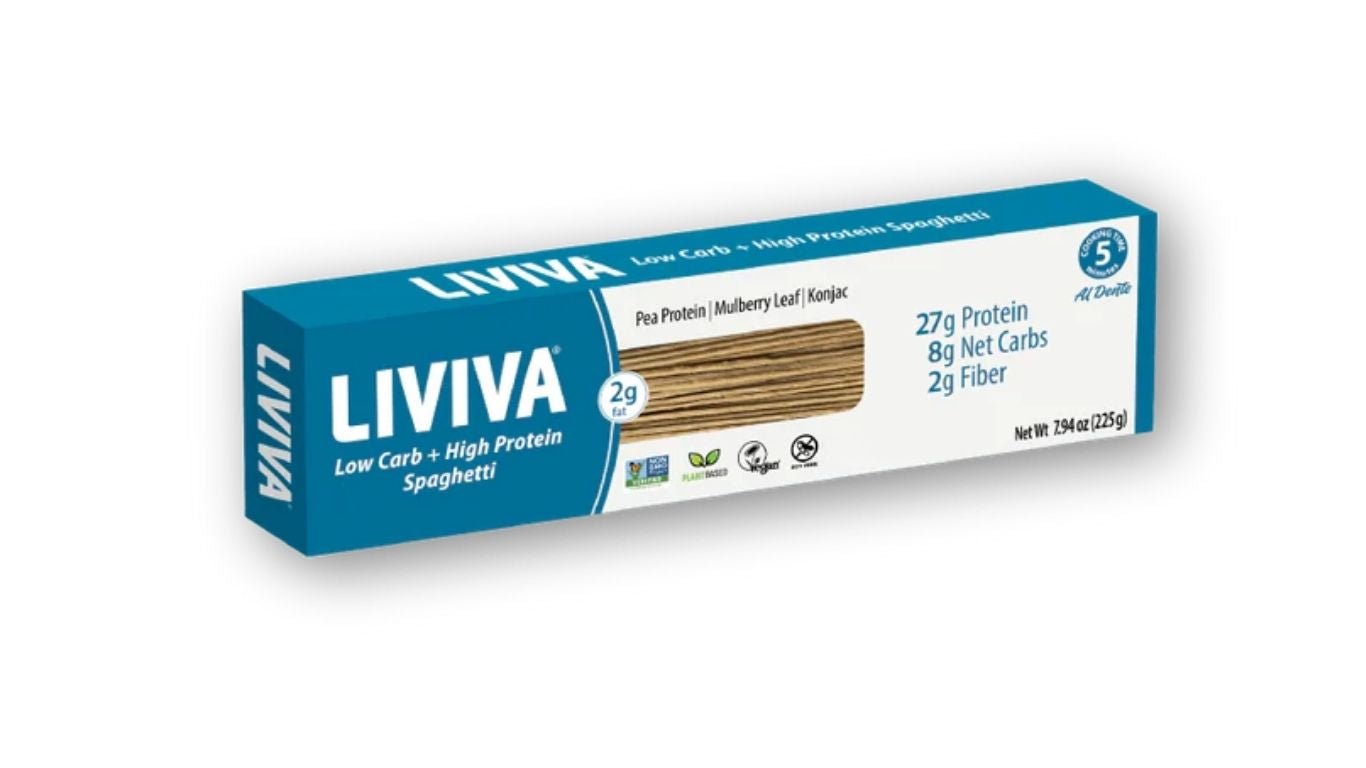
For LIVIVA’s High Protein Pasta (the spaghetti, fettuccine, and linguine formats that contain wheat gluten and pea protein), the process is completely different — no dry toasting needed. You boil in salted water, simmering for 5 minutes (spaghetti), 3.5 minutes (fettuccine), or 2 minutes (linguine) until al dente. These behave more like wheat pasta and don’t require the water-removal steps.
If you’re using the High Protein line, LIVIVA Foods recommends salted boiling water and then adding your sauce as you would with regular pasta.
Step 4: Add Sauce Immediately and Let It Absorb
Whether you’ve dry-toasted the shirataki or boiled the high-protein pasta, the next step is the same: add sauce while the noodles are still hot, and let them sit together for a few minutes before serving.
LIVIVA’s instructions note: “For best results, allow the sauce to be absorbed for a few minutes.”
This matters more for shirataki than for wheat pasta. Because konjac fiber absorbs liquid over time, giving the noodles 2-3 minutes in the sauce (off heat or on very low heat) dramatically improves how the final dish tastes and feels. The noodles soak up the sauce rather than sitting in it, and the flavors integrate.
If you’re making a cold dish — LIVIVA notes the shirataki works well in cold preparations — let the noodles cool completely after toasting, then toss with cold sauce or dressing immediately before serving.
The Best Sauces for Shirataki Pasta
Not all sauces work equally well with konjac-based pasta. Here’s what actually performs well with LIVIVA’s shirataki formats:
Bold tomato sauces work exceptionally well. Arrabbiata, marinara with extra garlic, or a long-cooked bolognese all have enough flavor intensity to pair with the neutral konjac base. The acidity of tomatoes also complements the slightly chewy texture.
Miso-based and Asian-style sauces are arguably the best match for shirataki in any form. Soy sauce, sesame oil, ginger, and garlic create a sauce that’s assertive enough to flavor the noodles thoroughly. LIVIVA explicitly notes the shirataki works well in stir-fries and soups — this is the application where it most naturally shines.
Cream-based sauces work with some caveats. A heavy cream reduction holds up, but lighter cream sauces can get watery if you didn’t dry the noodles well enough. If using a cream sauce, make sure you’re very thorough with Step 2 and Step 3.
Pesto is a reliable choice. Because pesto coats noodles rather than pooling as a liquid sauce, it works well with shirataki’s surface texture. The bold basil-garlic flavor also holds up to the konjac base.
Sauces to avoid: Delicate, lightly-flavored sauces — like aglio e olio with just olive oil and garlic — tend to disappear against the konjac texture. Light broth-based sauces can also result in watery outcomes if the noodles weren’t fully dried.
Cooking Shirataki in Soup and Stir-Fry
Two applications where LIVIVA shirataki consistently works well:
Soup: Add rinsed, drained (but not dry-toasted) shirataki directly to hot broth in the last 2 minutes of cooking. The heat of the broth finishes the preparation. Use bold broths — miso, pho-style, tom kha — where the flavor intensity carries the noodle. This is arguably the easiest and most forgiving application.
Stir-fry: Dry-toast first, then add to the wok after your proteins and vegetables are nearly cooked. Toss with your stir-fry sauce and high heat for 1-2 minutes. The high heat + sauce combination creates the best shirataki texture of any cooking method — slightly caramelized, well-sauced, and with a pleasantly chewy bite.
How Cooking Differs Between LIVIVA’s Two Lines
It’s worth explicitly contrasting the two product lines’ preparation, since they require completely different approaches:
Organic Shirataki with Oat Fiber (konjac-based):
1. Rinse thoroughly under cold water
2. Drain and squeeze out all excess water
3. Dry-toast in a dry pan for 60-90 seconds (optional but recommended)
4. Add sauce, let absorb for 2-3 minutes
5. Serve hot or cold
High Protein Pasta (wheat gluten + pea protein + konjac):
1. Bring salted water to a boil
2. Add pasta and simmer: spaghetti 5 min / fettuccine 3.5 min / linguine 2 min
3. Drain (no squeezing needed)
4. Add sauce and serve
The High Protein Pasta is easier to cook for anyone familiar with regular pasta. The Organic Shirataki requires more attention to technique but rewards it with an interesting low-carb noodle experience. Both are available from LIVIVA Foods.
Common Mistakes and How to Avoid Them
Mistake 1: Not squeezing enough water out. This is the single most common reason shirataki dishes turn out watery. Squeeze aggressively — more than you think is necessary.
Mistake 2: Using a sauce that’s too delicate. The konjac base is neutral but not invisible. Light, delicate sauces get lost. Always err toward bold, well-seasoned sauces.
Mistake 3: Skipping the rest time. Serving immediately after adding sauce leaves the noodles under-flavored. Let them sit in the sauce for at least 2 minutes before plating.
Mistake 4: Cooking the High Protein Pasta like shirataki. These two lines need entirely different preparation. The wheat-based High Protein Pasta should be boiled like regular pasta — rinse-and-squeeze will destroy it.
Mistake 5: Overcooking the High Protein Pasta. Because of the wheat gluten structure, overcooking can make it sticky. Watch the clock: 5 minutes for spaghetti, 3.5 for fettuccine, 2 for linguine, then taste.
Final Notes on LIVIVA Foods Preparation
LIVIVA Foods has done a reasonable job building preparation guidance into its product pages — particularly the Organic Shirataki line, where the rinse-squeeze-serve instruction is explicit and accurate. The High Protein Pasta’s boiling instructions are also clear and format-specific (different cooking times for each shape), which shows attention to the details that actually affect results.
For more on the full product range, nutritional comparison, and which line is right for your specific dietary needs, see our Liviva Foods High Protein Pasta overview and our Liviva Foods 2026 Review.
Ready to pick up a pack and try the techniques above? Browse the LIVIVA Foods lineup here.